Lesson · Grade 7 · Science
Weather and climate: today's air versus the pattern over many years
- Grade 7
- Science
- 1 min 12 s
- British Columbia
- BC7-SC-38
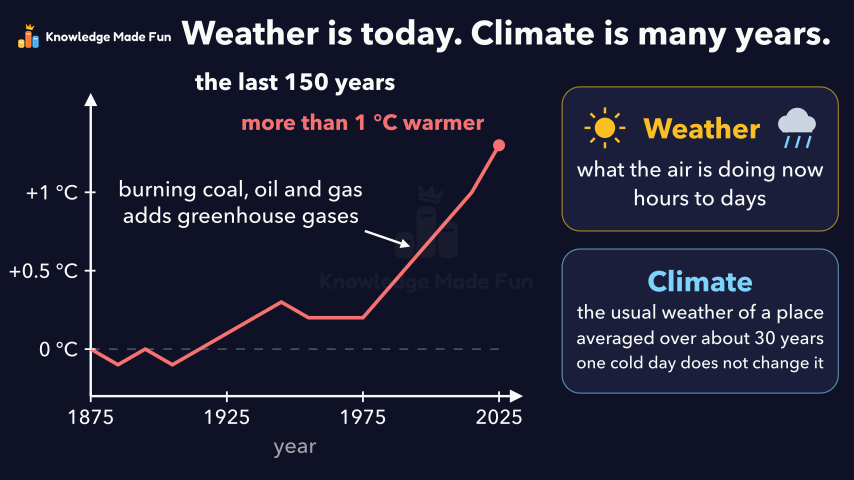
One temperature graph zooms out step by step: a month of jumpy daily weather, then thirty years of averages that settle on a single climate line, then hundreds of thousands of years of slow swings between ice ages and warm periods read from ice cores, rocks and fossils. A red spike at "now" opens into the last 150 years, showing Earth more than 1 °C warmer because people burn coal, oil and gas, and the video ends on the recap that weather is today while climate is many years.
Concept: Weather and climate
Anyone can watch two lessons on the website without an account. Signing in is free, no payment and no card, and opens three a day; Plus has no limit.
Loading
In one sentence
The question this lesson answers
What is the difference between weather and climate?
Weather is what the air is doing right now, in one place.
Transcript
What the lesson says
What is the difference between weather and climate?
Weather is what the air is doing right now, in one place.
By the next day, it can be very different.
Over a month, the weather jumps up and down from day to day.
So weather is short term, measured in hours and days.
Climate is the usual weather of a place, measured over many years.
Scientists average about 30 years of weather to describe the climate.
One cold day, or one hot day, does not change the climate.
Climate itself can change too, but usually very slowly.
Ice cores, rocks and fossils show that Earth has swung slowly between ice ages and warm periods.
In just the last 150 years, Earth has warmed by more than 1 degree Celsius.
The main cause is people burning coal, oil and gas, which adds greenhouse gases to the air.
Weather is what happens today, and climate is the pattern over many years.
Curriculum
Where this fits
- British Columbia, Grade 7
Science, Earth science: evidence of climate change over geological time and the recent impacts of humansBC7-SC-38
Previous: Mass extinctions in the fossil recordNext: The Greenhouse Effect
The outcomes and strands follow the British Columbia curriculum.
Keep going
 1 min 43 s
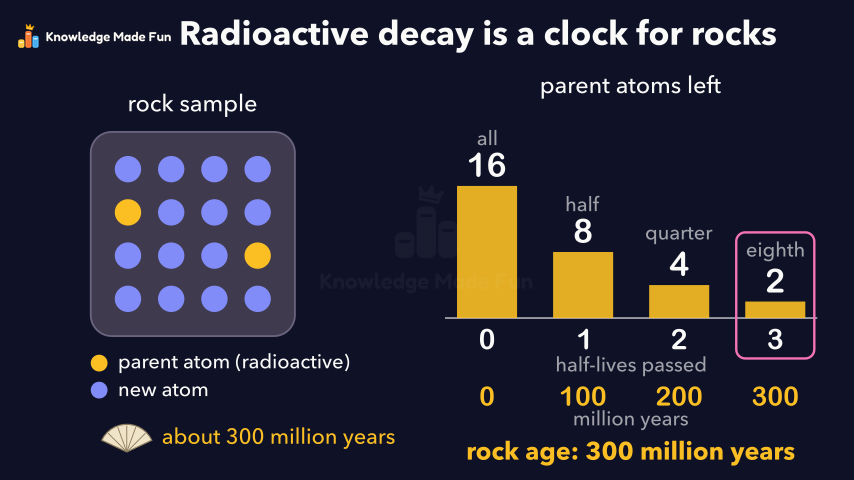
Absolute dating: radioactive decay is a clock for rocks
Grade 7 · 1 min 43 s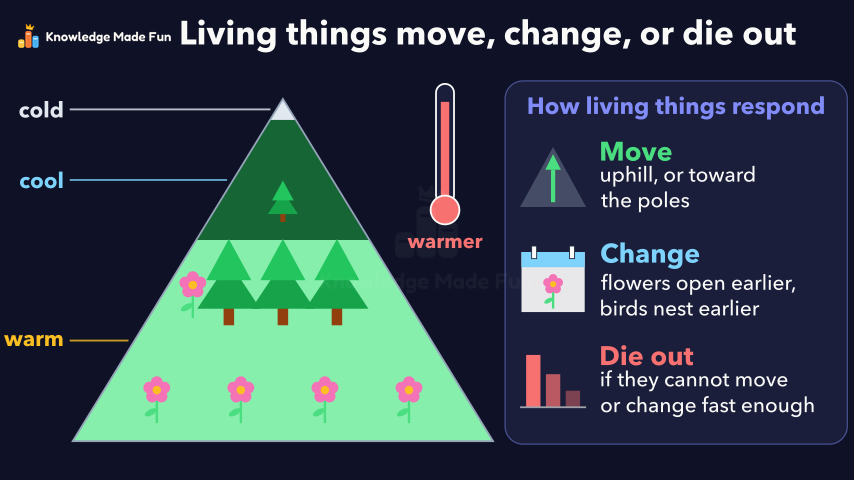 1 min 19 s
Climate Change and Living Things: Move, Change, or Die Out
Grade 7 · 1 min 19 s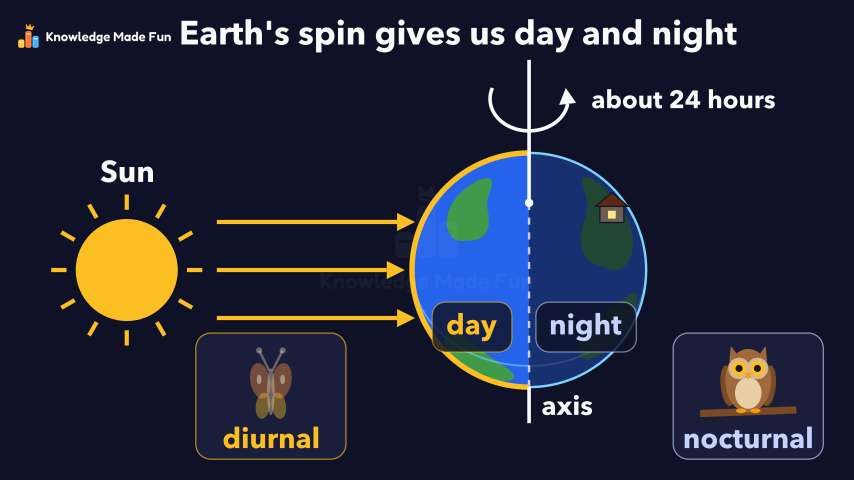 1 min 14 s
Day and Night: Earth Spins on Its Axis
Grade 4 · 1 min 14 s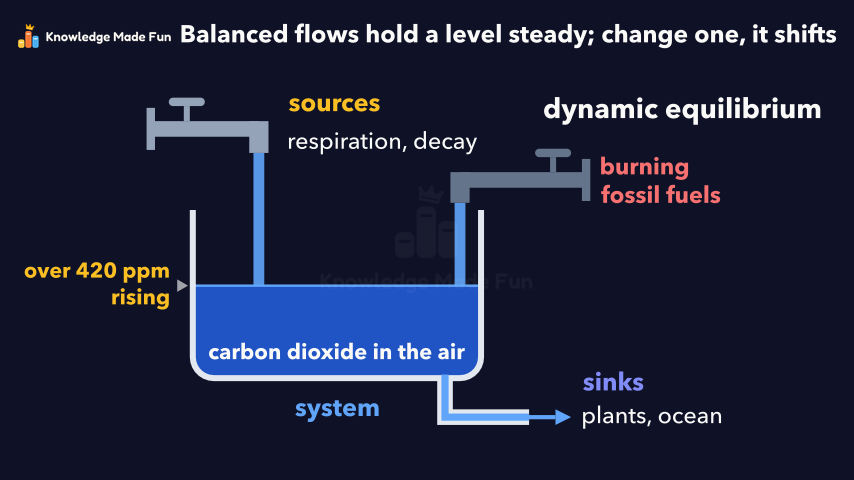 1 min 50 s
Dynamic equilibrium: balanced but always changing
Grade 9 · 1 min 50 s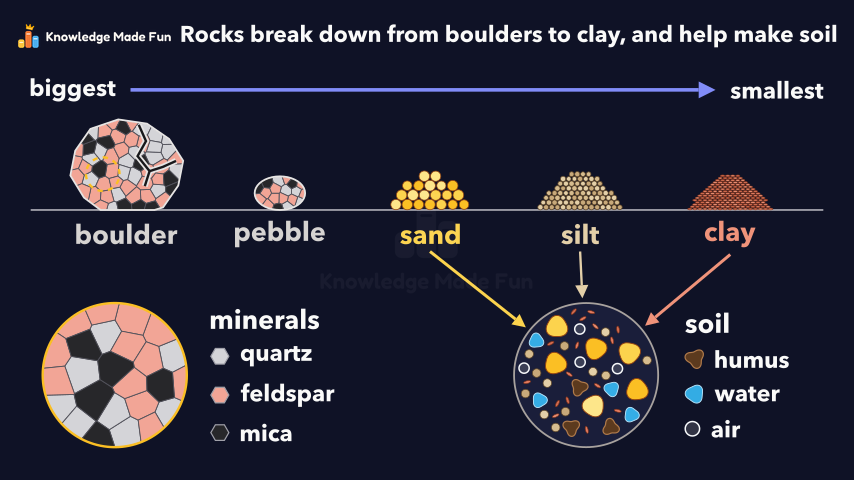 1 min 11 s
Earth Materials: From Boulders to Clay
Grade 5 · 1 min 11 s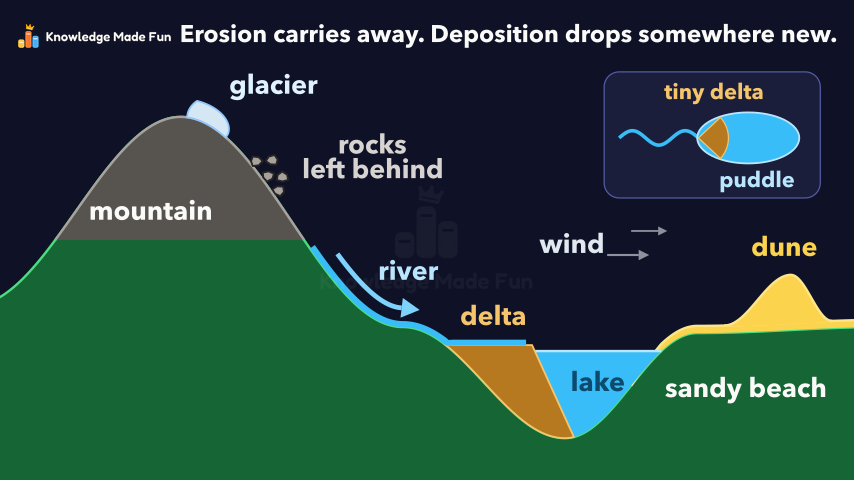 1 min 11 s
Erosion and Deposition: How Wind, Water and Ice Move Land
Grade 3 · 1 min 11 s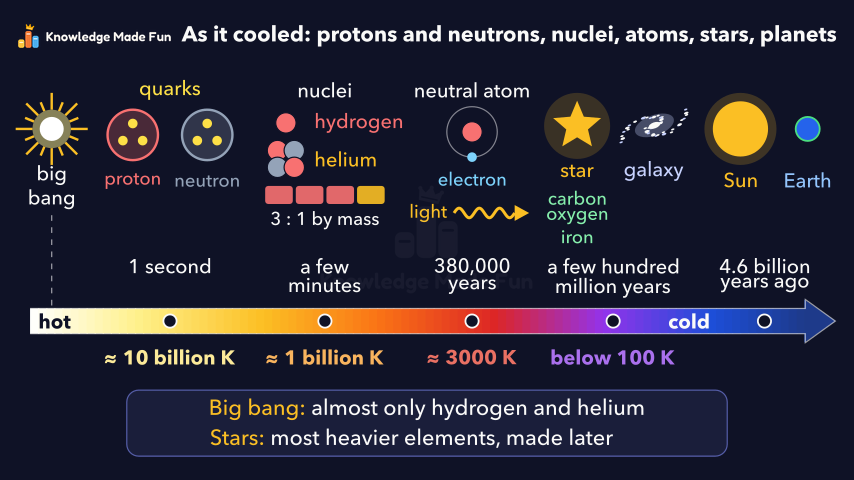 1 min 53 s
From quarks to galaxies: how the universe's matter formed
Grade 10 · 1 min 53 s 47 s
Hot, Warm, Cool and Cold: What Do We Wear?
Kindergarten · 47 s
- All Grade 7 Science lessons
- Create a free account to watch three lessons a day, no payment and no card.