Lesson · Grade 8 · Science
Transparent, translucent or opaque: what materials do to light
- Grade 8
- Science
- 1 min 43 s
- British Columbia
- BC8-SC-36
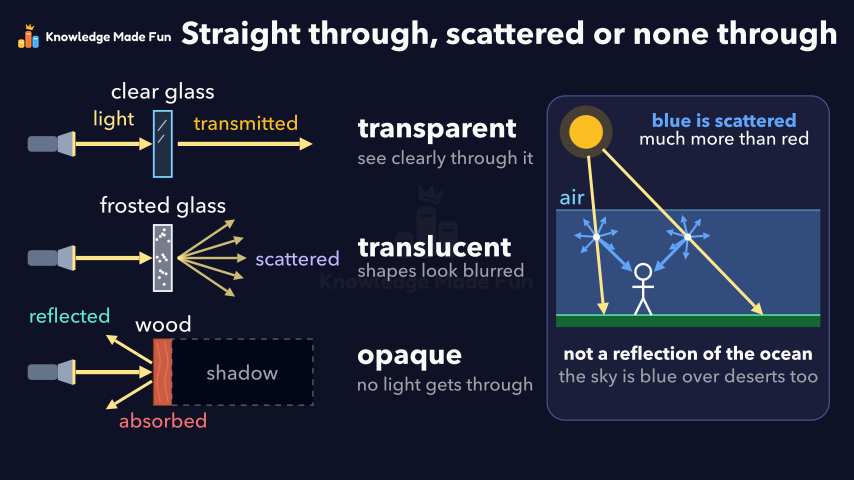
The same light shines at clear glass, frosted glass and wood, and one labelled diagram builds up to show the light transmitted, scattered, or reflected and absorbed, so each material is named transparent, translucent or opaque. A side card then uses the same ideas to explain why a red shirt looks red and why the sky is blue (air scatters blue light much more than red, not a reflection of the ocean), and the video ends on a one-line recap of the three kinds of material.
Anyone can watch two lessons on the website without an account. Signing in is free, no payment and no card, and opens three a day; Plus has no limit.
Loading
In one sentence
The question this lesson answers
What happens to light when it meets a material?
When light meets a material, it can be transmitted, absorbed, reflected or scattered.
Transcript
What the lesson says
What happens to light when it meets a material?
When light meets a material, it can be transmitted, absorbed, reflected or scattered.
We'll aim the same light at three materials: clear glass, frosted glass and wood.
Clear glass transmits almost all the light: it passes straight through.
So clear glass is transparent: you can see clearly through it.
Frosted glass transmits light too, but it scatters it, sending it off in many directions.
So frosted glass is translucent: light gets through, but shapes behind it look blurred.
Wood reflects some of the light, bouncing it back, and absorbs the rest, taking in its energy.
So wood is opaque: no light gets through, and there is a shadow behind it.
An opaque object's colour depends on which colours of light it reflects. White light is a mix of all colours.
A red shirt absorbs the other colours and reflects mostly red light, so it looks red.
Air is transparent, but it scatters a little of the sunlight, and it scatters blue light much more than red.
That scattered blue light reaches our eyes from all over the sky, so the sky looks blue.
The sky is not blue because it reflects the ocean. It is blue over deserts too.
Transparent materials let light straight through, translucent ones let it through but scatter it, and opaque ones let none through.
Curriculum
Where this fits
- British Columbia, Grade 8
Science, Physics: light: behavioursBC8-SC-36
Previous: Lenses: How Convex and Concave Lenses Form ImagesNext: How the Eye Forms an Image
The outcomes and strands follow the British Columbia curriculum.
Keep going
 1 min 51 s
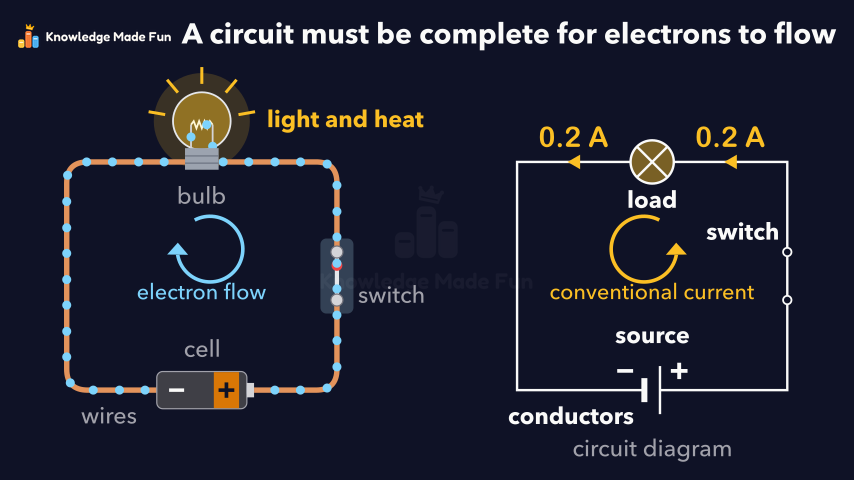
A Complete Circuit: Source, Load, Conductors and Switch
Grade 9 · 1 min 51 s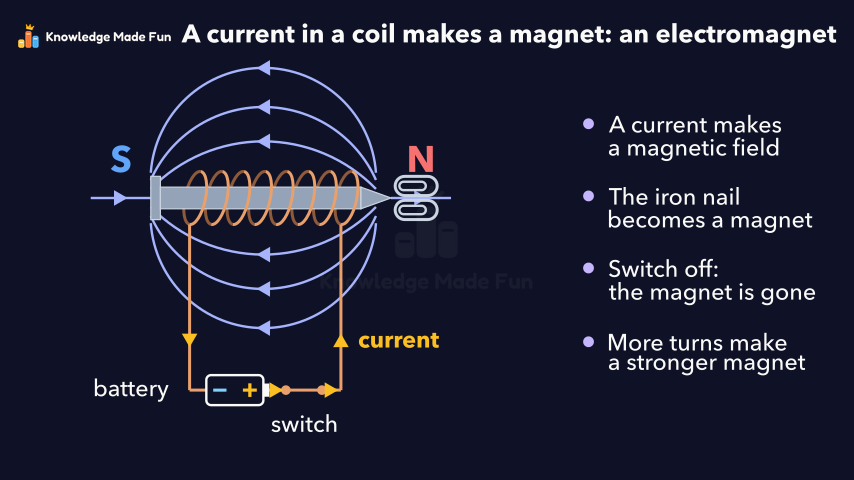 1 min 18 s
A current makes a magnet: the electromagnet
Grade 7 · 1 min 18 s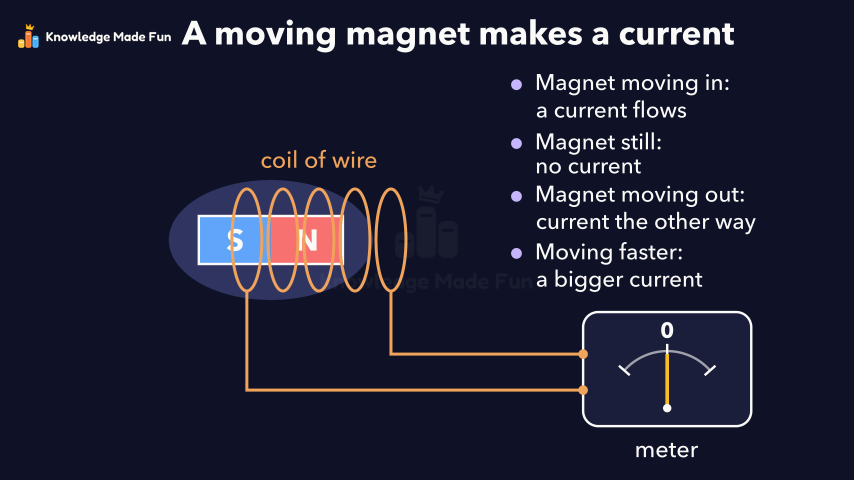 1 min 12 s
A Moving Magnet Makes a Current
Grade 7 · 1 min 12 s 54 s
A Push or a Pull Makes Things Move
Kindergarten · 54 s 1 min 48 s
AC and DC: Two Ways Current Can Flow
Grade 9 · 1 min 48 s 1 min 3 s
Air Resistance: Why a Flat Sheet Falls Slower
Grade 2 · 1 min 3 s 1 min 40 s
Alpha, Beta and Gamma Radiation
Grade 10 · 1 min 40 s 1 min 6 s
Balanced and Unbalanced Forces in Sport and Play
Grade 6 · 1 min 6 s
- All Grade 8 Science lessons
- Create a free account to watch three lessons a day, no payment and no card.