Lesson · Grade 8 · Science
How the Eye Forms an Image
- Grade 8
- Science
- 1 min 46 s
- British Columbia
- BC8-SC-37
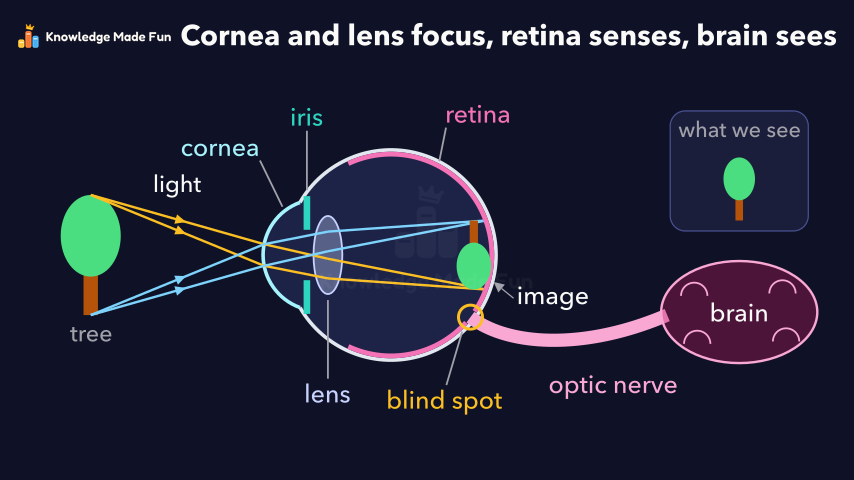
A labelled cross-section of an eye builds up step by step. It first shows that light comes into the eye and the eye does not send rays out, then that the cornea and lens bend the light, the iris changes the size of the pupil, and an upside-down image of a tree lands on the retina. A close-up shows rods for dim light and three kinds of cones for colour, and the optic nerve carries signals to the brain, which turns the picture the right way up; the video also points out the blind spot and ends on a one-line recap.
Anyone can watch two lessons on the website without an account. Signing in is free, no payment and no card, and opens three a day; Plus has no limit.
Loading
In one sentence
The question this lesson answers
How does your eye make a picture of the world?
Some people think the eye sends out rays to see. It does not.
Transcript
What the lesson says
How does your eye make a picture of the world?
Some people think the eye sends out rays to see. It does not.
Instead, light bounces off objects, like this tree, and travels into the eye.
First, the cornea, the clear curved front of the eye, bends the light.
The iris is the coloured ring. The hole in its middle, the pupil, lets light in.
The iris makes the pupil smaller in bright light and bigger in dim light.
The lens bends the light more. It changes shape to focus on near or far things.
The light focuses on the retina, a layer of light-sensitive cells at the back of the eye.
The rays cross over, so the image on the retina is upside down.
The retina has two kinds of light-sensitive cells: rods and cones.
Rods work in dim light, but they cannot tell colours apart.
Cones sense colour. Three kinds respond most to red, green and blue light.
The rods and cones turn light into electrical signals, and the optic nerve carries them to the brain.
The brain makes sense of the signals and turns the picture the right way up.
Where the optic nerve leaves the eye, there are no rods or cones. This is the blind spot.
We do not usually notice it, because the brain fills in the gap.
So, the cornea and lens focus the light, the retina senses it, and the brain sees the picture.
Curriculum
Where this fits
- British Columbia, Grade 8
Science, Physics: light: ways of sensingBC8-SC-37
Previous: Transparent, translucent or opaque: what materials do to lightNext: Cameras, Microscopes and Telescopes: Tools That Extend Our Sight
The outcomes and strands follow the British Columbia curriculum.
Keep going
 1 min 51 s
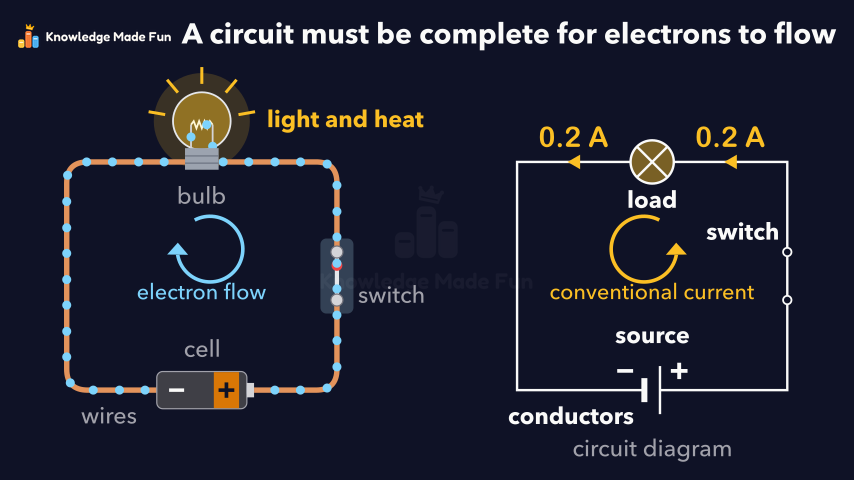
A Complete Circuit: Source, Load, Conductors and Switch
Grade 9 · 1 min 51 s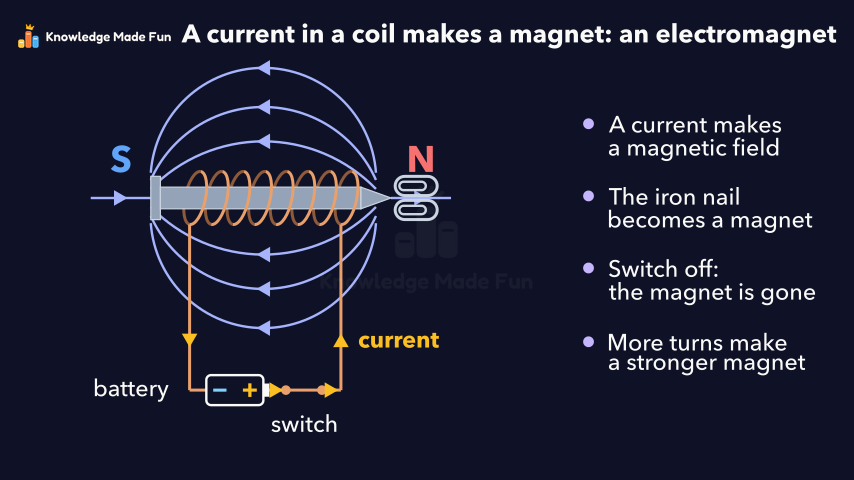 1 min 18 s
A current makes a magnet: the electromagnet
Grade 7 · 1 min 18 s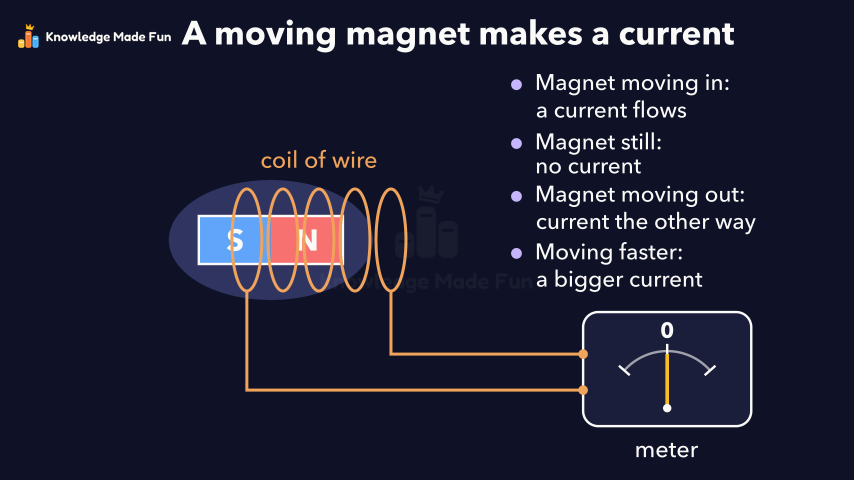 1 min 12 s
A Moving Magnet Makes a Current
Grade 7 · 1 min 12 s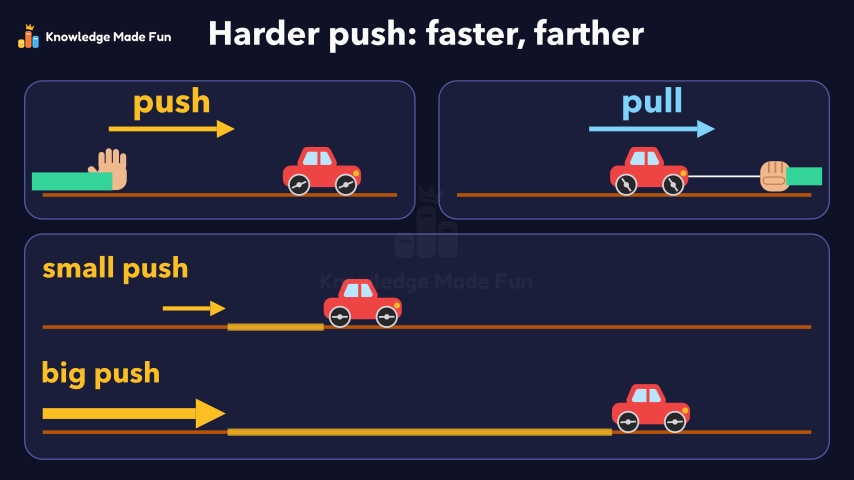 54 s
A Push or a Pull Makes Things Move
Kindergarten · 54 s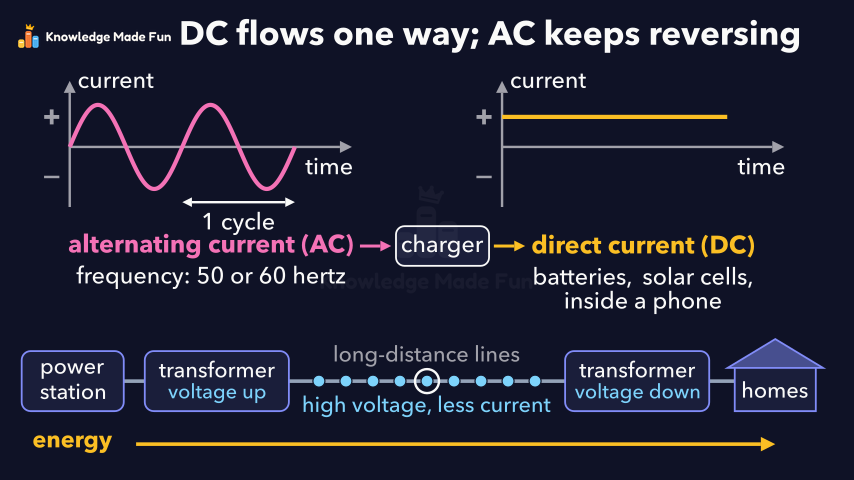 1 min 48 s
AC and DC: Two Ways Current Can Flow
Grade 9 · 1 min 48 s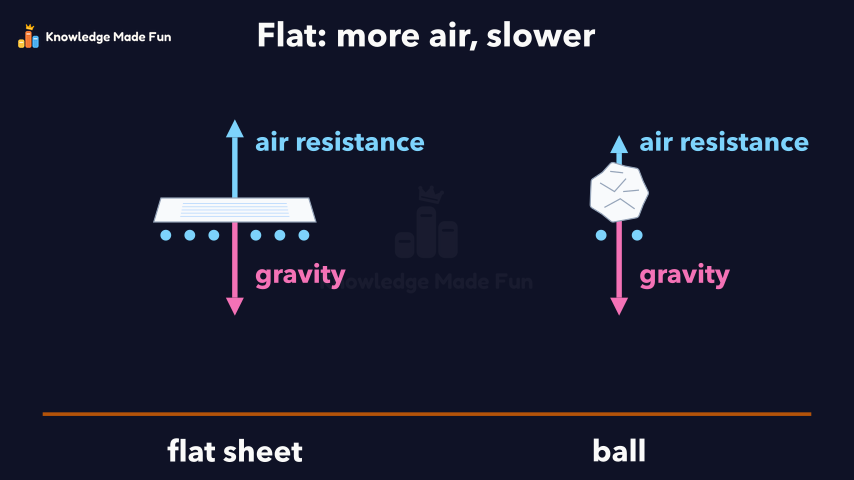 1 min 3 s
Air Resistance: Why a Flat Sheet Falls Slower
Grade 2 · 1 min 3 s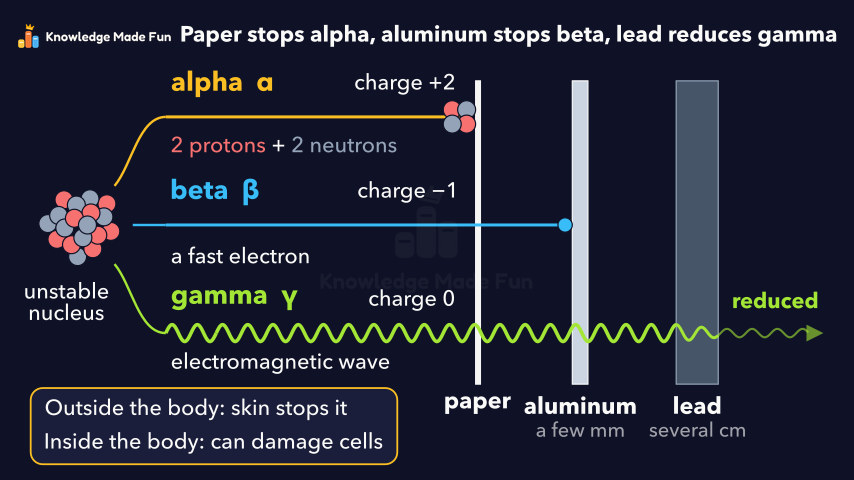 1 min 40 s
Alpha, Beta and Gamma Radiation
Grade 10 · 1 min 40 s 1 min 6 s
Balanced and Unbalanced Forces in Sport and Play
Grade 6 · 1 min 6 s
- All Grade 8 Science lessons
- Create a free account to watch three lessons a day, no payment and no card.