Lesson · Grade 6 · Science
The Scale of the Universe: From Planets to Galaxies
- Grade 6
- Science
- 1 min 19 s
- British Columbia
- BC6-SC-15
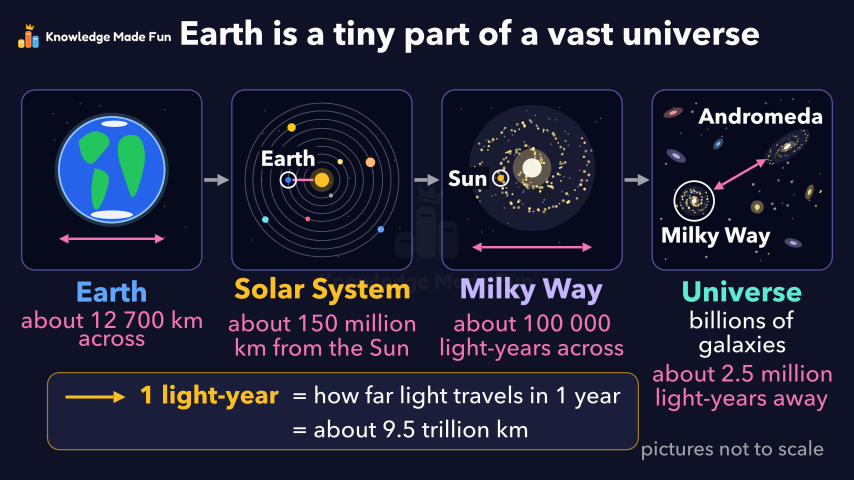
Four pictures in a row zoom out step by step: from Earth (about 12 700 km across), to the Solar System (the Sun about 150 million km away), to the Milky Way (about 100 000 light-years across), to a universe of billions of galaxies, where Andromeda is about 2.5 million light-years away. Along the way a key explains that a light-year is how far light travels in one year, about 9.5 trillion km, and the video ends on the recap that Earth is a tiny part of a vast universe.
Anyone can watch two lessons on the website without an account. Signing in is free, no payment and no card, and opens three a day; Plus has no limit.
Loading
In one sentence
The question this lesson answers
Just how big is the universe?
Our planet, Earth, is about 12,700 kilometres across.
Transcript
What the lesson says
Just how big is the universe?
Our planet, Earth, is about 12,700 kilometres across.
Zoom out, and Earth is a tiny dot orbiting the Sun, about 150 million kilometres away.
The Sun and everything that orbits it, including eight planets, make up the solar system.
Beyond the solar system, distances are so huge that we measure them in light-years.
One light-year is how far light travels in one year, about 9.5 trillion kilometres.
Zoom out again, and the Sun is just one of billions of stars in our galaxy, the Milky Way.
The Milky Way is about 100,000 light-years across.
Zoom out once more, and the Milky Way is one of billions of galaxies in the universe.
The nearest large galaxy, Andromeda, is about 2.5 million light-years away.
Each step out is far, far bigger, so these pictures are not drawn to scale.
So Earth is a tiny part of the solar system, the Milky Way and a vast universe of galaxies.
Curriculum
Where this fits
- British Columbia, Grade 6
Science, Earth science: the overall scale, structure, and age of the universeBC6-SC-15
The outcomes and strands follow the British Columbia curriculum.
Keep going
 1 min 43 s
Absolute dating: radioactive decay is a clock for rocks
Grade 7 · 1 min 43 s 1 min 19 s
Climate Change and Living Things: Move, Change, or Die Out
Grade 7 · 1 min 19 s 1 min 14 s
Day and Night: Earth Spins on Its Axis
Grade 4 · 1 min 14 s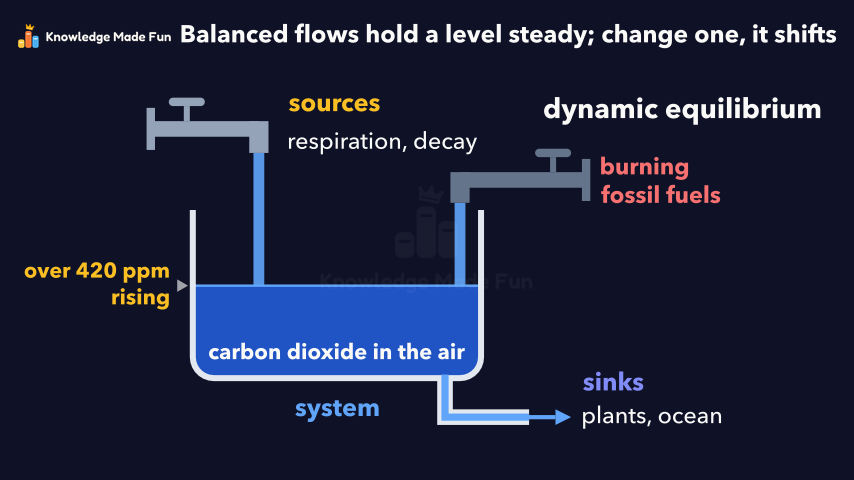 1 min 50 s
Dynamic equilibrium: balanced but always changing
Grade 9 · 1 min 50 s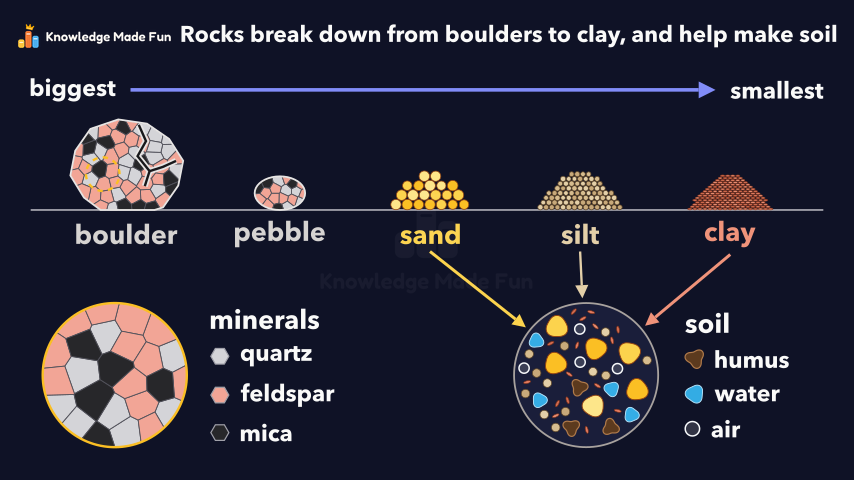 1 min 11 s
Earth Materials: From Boulders to Clay
Grade 5 · 1 min 11 s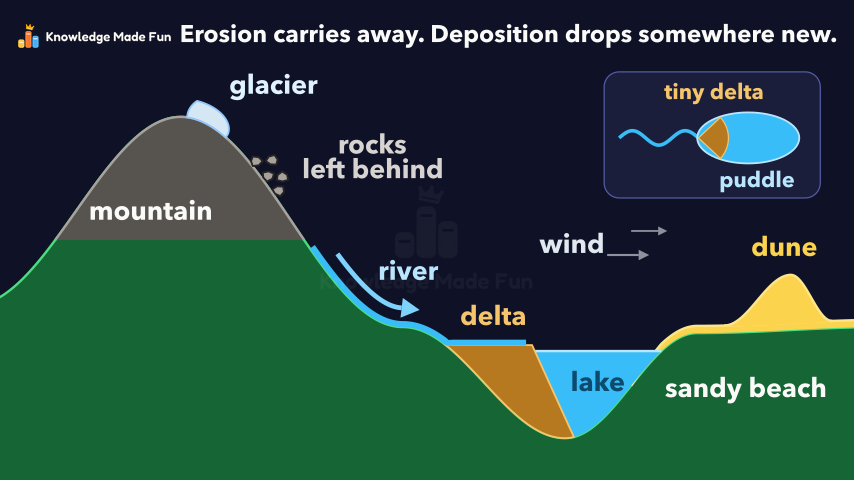 1 min 11 s
Erosion and Deposition: How Wind, Water and Ice Move Land
Grade 3 · 1 min 11 s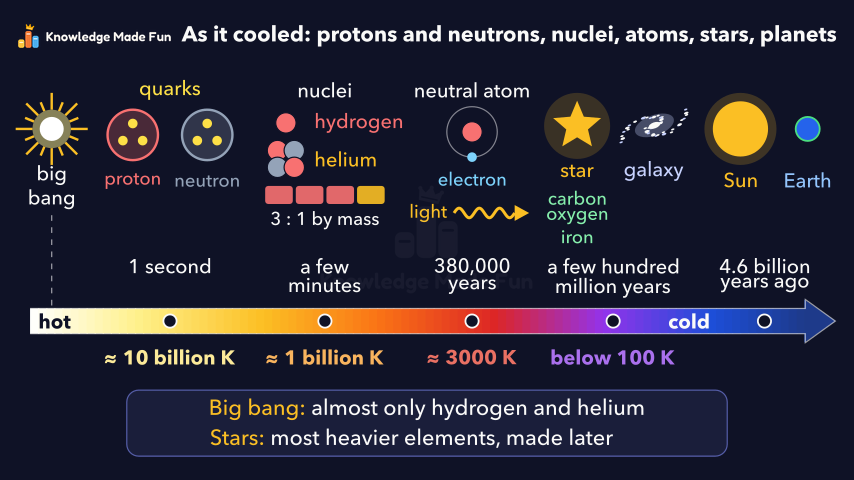 1 min 53 s
From quarks to galaxies: how the universe's matter formed
Grade 10 · 1 min 53 s 47 s
Hot, Warm, Cool and Cold: What Do We Wear?
Kindergarten · 47 s
- All Grade 6 Science lessons
- Create a free account to watch three lessons a day, no payment and no card.