Lesson · Grade 5 · Science
Sustainable practices: forests, fish and water
- Grade 5
- Science
- 1 min 7 s
- British Columbia
- BC5-SC-19
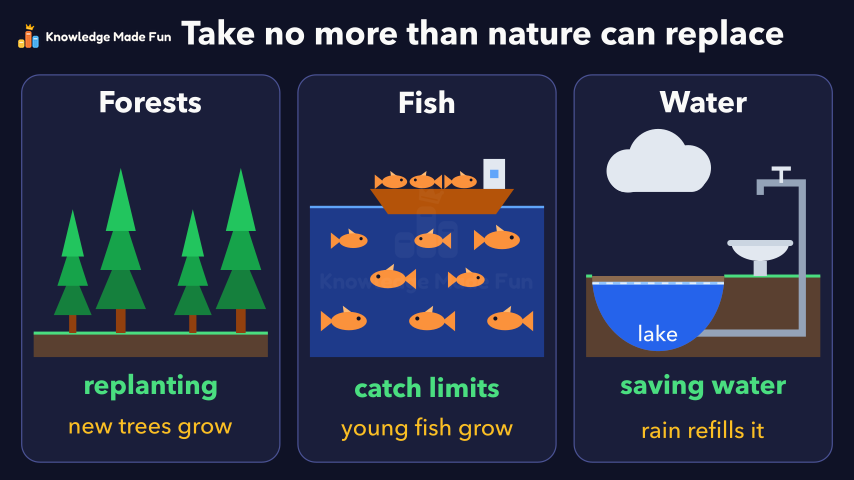
Three side-by-side cards build up one at a time. In a forest, trees are cut and replanting puts seedlings in their place. In the sea, a boat keeps only some fish under a catch limit, and the fish left have young. At a lake, a tap lowers the water until saving water and rain refill it. The video ends on the recap "Take no more than nature can replace", with each card labelled with the practice and the way nature replaces what was taken.
Anyone can watch two lessons on the website without an account. Signing in is free, no payment and no card, and opens three a day; Plus has no limit.
Loading
In one sentence
The question this lesson answers
Forests, fish and fresh water are resources we all need.
How can we keep using them, so they last for the future?
Transcript
What the lesson says
Forests, fish and fresh water are resources we all need.
How can we keep using them, so they last for the future?
People cut down trees to get wood.
Replanting means planting seedlings where trees were cut.
Over many years, the seedlings grow into new trees.
People also catch fish for food.
A catch limit is a rule that lets people take only some of the fish.
The fish that are left have young, and the young fish grow up.
We pipe fresh water from lakes to our taps, so the lake gets lower.
Saving water, like turning off the tap, means less water is taken.
Rain refills the lake, but that can take a long time.
Replanting, catch limits and saving water are all sustainable practices.
Sustainable practices take no more than nature can replace, so our resources last.
Curriculum
Where this fits
- British Columbia, Grade 5
Science, Earth science: the nature of sustainable practices around BC's resourcesBC5-SC-19
The outcomes and strands follow the British Columbia curriculum.
Keep going
 1 min 43 s
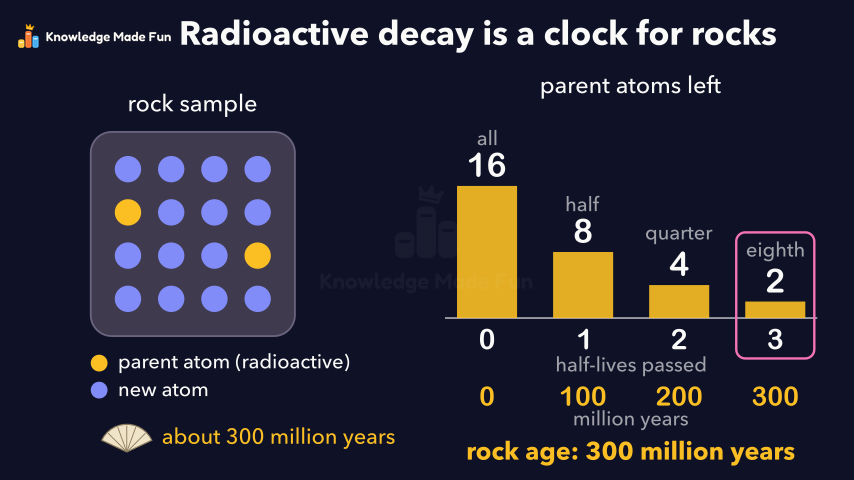
Absolute dating: radioactive decay is a clock for rocks
Grade 7 · 1 min 43 s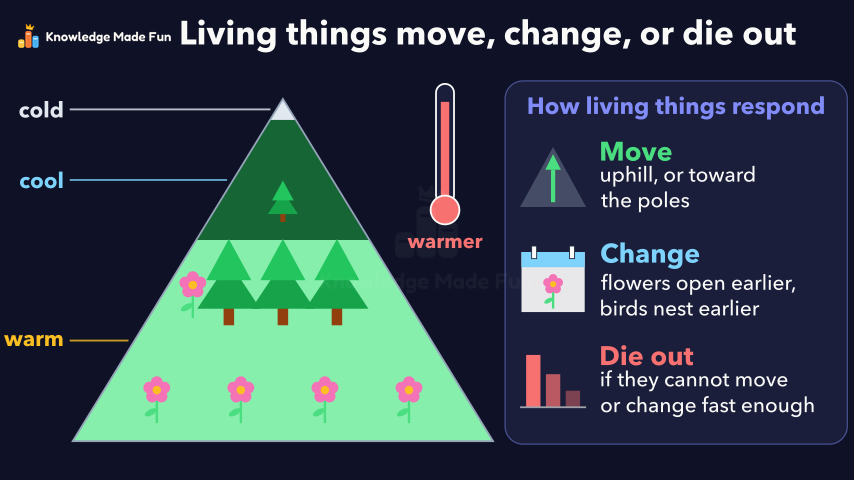 1 min 19 s
Climate Change and Living Things: Move, Change, or Die Out
Grade 7 · 1 min 19 s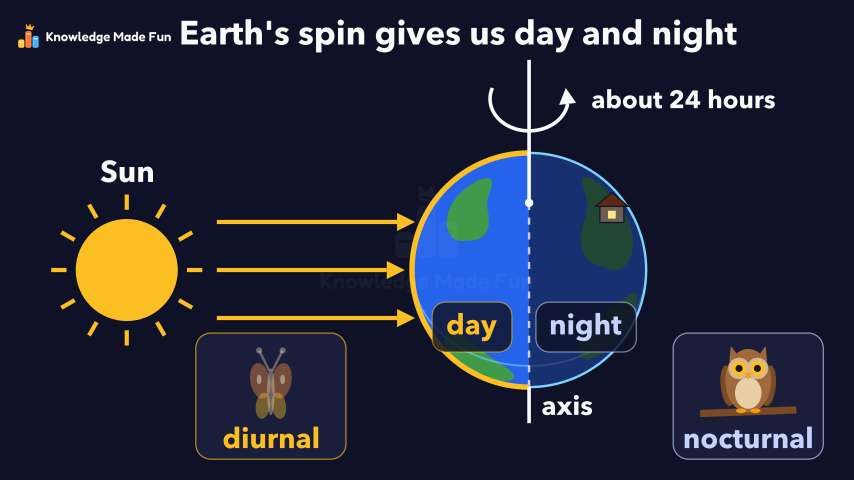 1 min 14 s
Day and Night: Earth Spins on Its Axis
Grade 4 · 1 min 14 s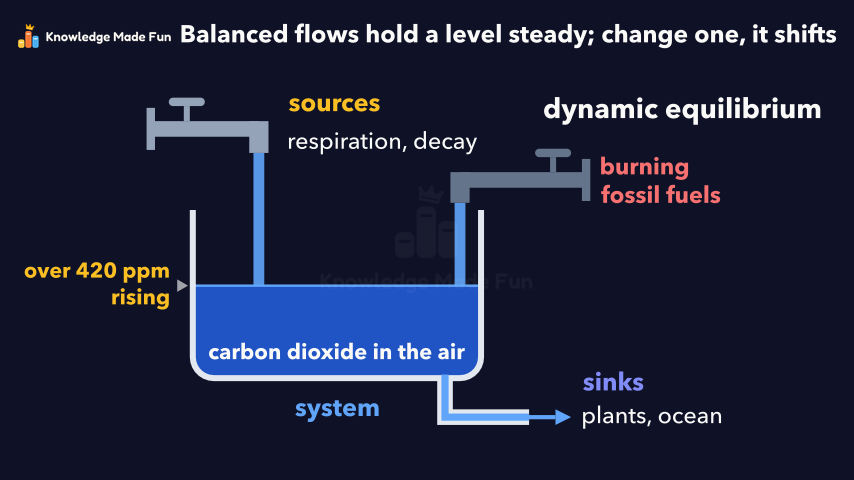 1 min 50 s
Dynamic equilibrium: balanced but always changing
Grade 9 · 1 min 50 s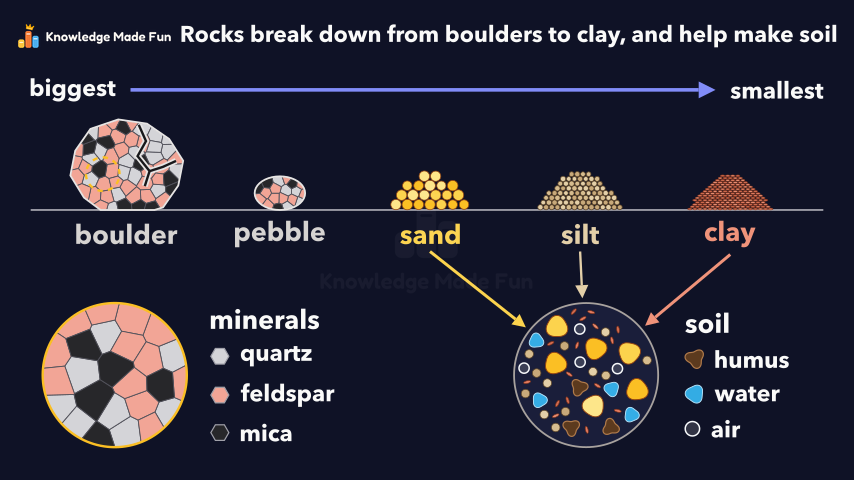 1 min 11 s
Earth Materials: From Boulders to Clay
Grade 5 · 1 min 11 s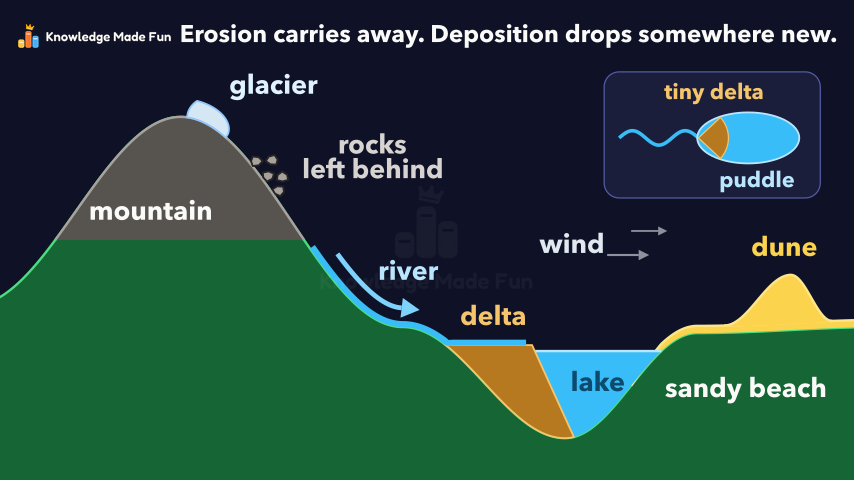 1 min 11 s
Erosion and Deposition: How Wind, Water and Ice Move Land
Grade 3 · 1 min 11 s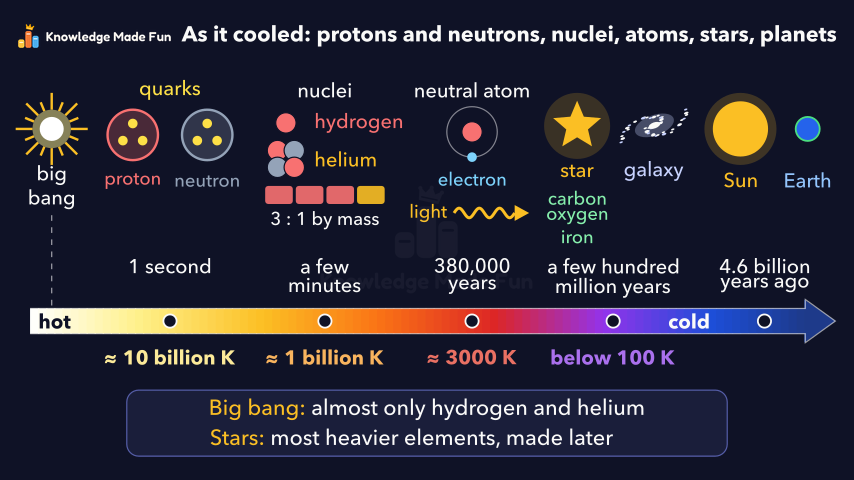 1 min 53 s
From quarks to galaxies: how the universe's matter formed
Grade 10 · 1 min 53 s 47 s
Hot, Warm, Cool and Cold: What Do We Wear?
Kindergarten · 47 s
- All Grade 5 Science lessons
- Create a free account to watch three lessons a day, no payment and no card.