Lesson · Grade 7 · Science
Reading Past Climate: Ice Cores, Tree Rings and Fossils
- Grade 7
- Science
- 1 min 32 s
- British Columbia
- BC7-SC-40
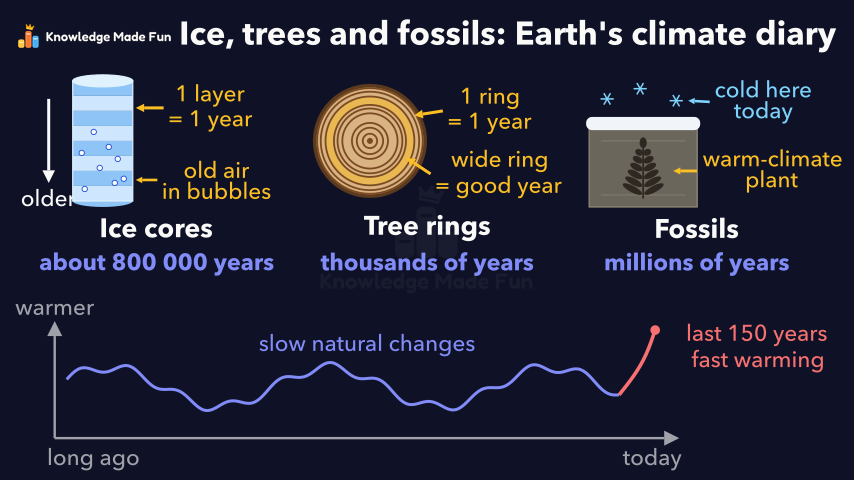
Three of Earth's climate records build up side by side: an ice core where each layer is one year and bubbles trap old air, a tree-trunk slice where each ring is one year and a wide ring marks a good growing year, and a fern fossil found where it is cold today, with a note of how far back each record reaches. A simple graph then shows what the records say together: the climate has changed slowly many times over long ages, but the last 150 years show a much faster rise as people burn coal, oil and gas.
Anyone can watch two lessons on the website without an account. Signing in is free, no payment and no card, and opens three a day; Plus has no limit.
Loading
In one sentence
The question this lesson answers
Nobody measured the weather thousands of years ago, so how do we know what Earth's climate was like?
Nature keeps its own records, and scientists have learned to read them.
Transcript
What the lesson says
Nobody measured the weather thousands of years ago, so how do we know what Earth's climate was like?
Nature keeps its own records, and scientists have learned to read them.
In very cold places, each year's snow is pressed into a new layer of ice.
Scientists drill out a long ice core, where each layer is one year and deeper layers are older.
Tiny bubbles trap old air, so we can measure how much carbon dioxide it once held.
A tree grows one new ring every year.
A wide ring means a warm, wet year, and a narrow ring means a cold or dry year.
Fossils show what lived in a place long ago.
A fossil of a warm-climate plant, found where it is cold today, means that place was once much warmer.
Tree rings reach back thousands of years, ice cores about eight hundred thousand years, and fossils many millions of years.
Together, the records show that Earth's climate has changed many times, slowly, over long ages.
But in the last 150 years Earth has warmed much faster, as people burn coal, oil and gas.
Ice cores, tree rings and fossils are Earth's climate diary, and it shows that today's warming is unusually fast.
Curriculum
Where this fits
- British Columbia, Grade 7
Science, Earth science: evidence of climate change over geological time and the recent impacts of humansBC7-SC-40
Previous: The Greenhouse EffectNext: How people are changing the climate
The outcomes and strands follow the British Columbia curriculum.
Keep going
 1 min 43 s
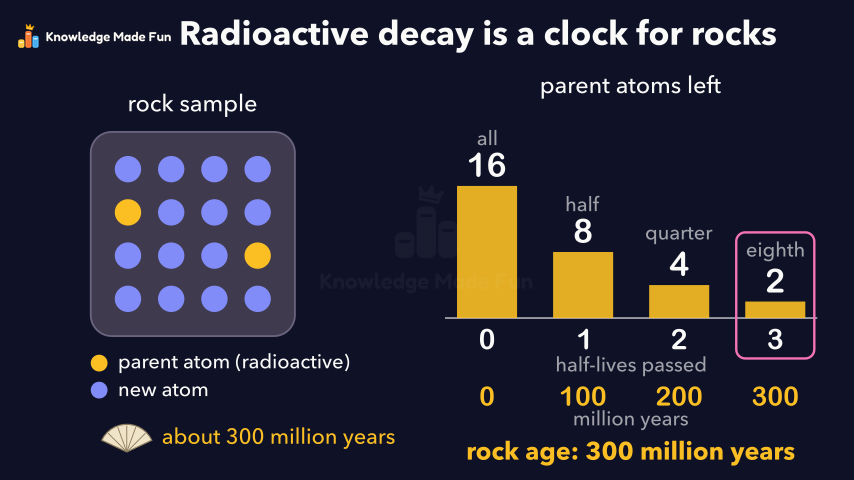
Absolute dating: radioactive decay is a clock for rocks
Grade 7 · 1 min 43 s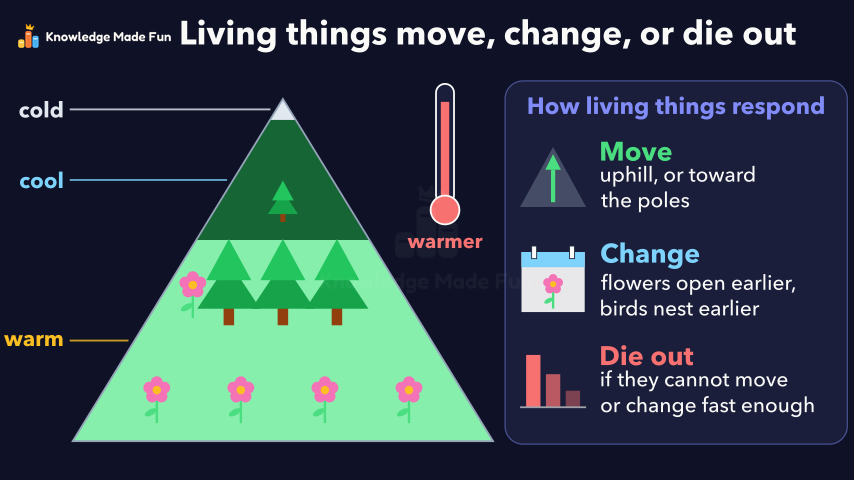 1 min 19 s
Climate Change and Living Things: Move, Change, or Die Out
Grade 7 · 1 min 19 s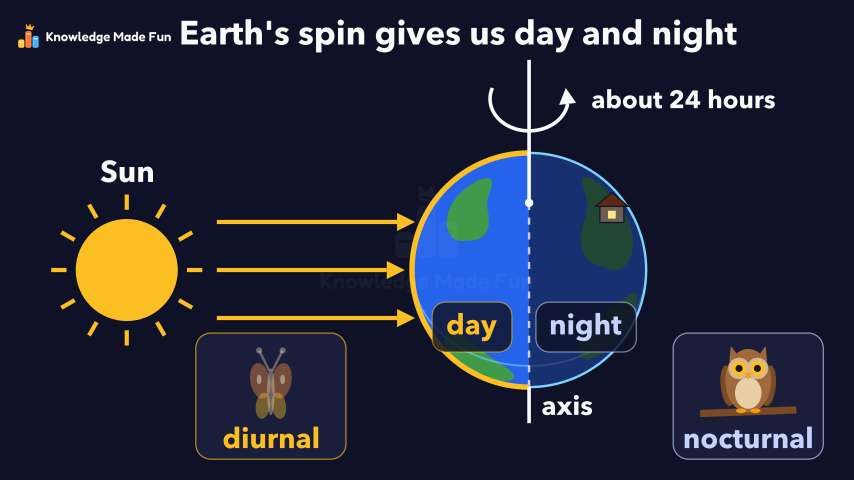 1 min 14 s
Day and Night: Earth Spins on Its Axis
Grade 4 · 1 min 14 s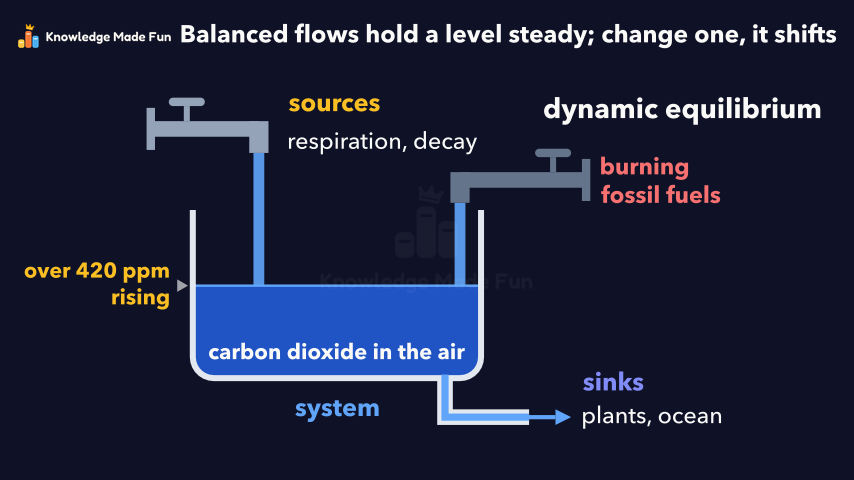 1 min 50 s
Dynamic equilibrium: balanced but always changing
Grade 9 · 1 min 50 s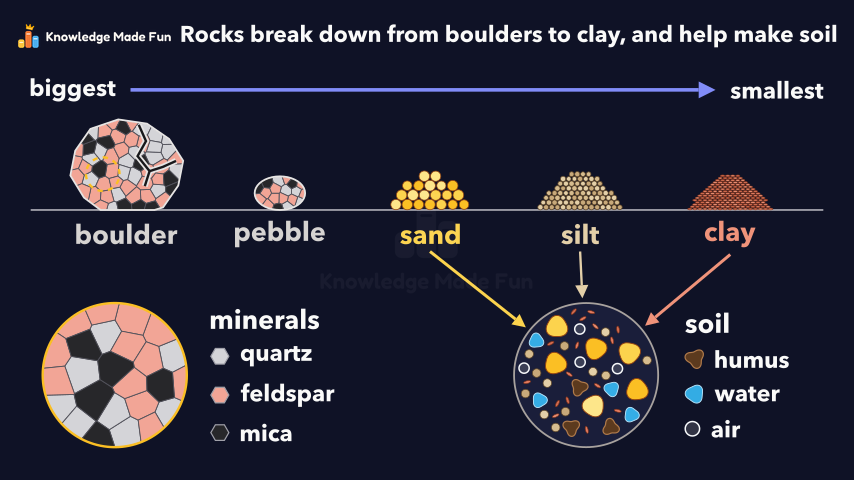 1 min 11 s
Earth Materials: From Boulders to Clay
Grade 5 · 1 min 11 s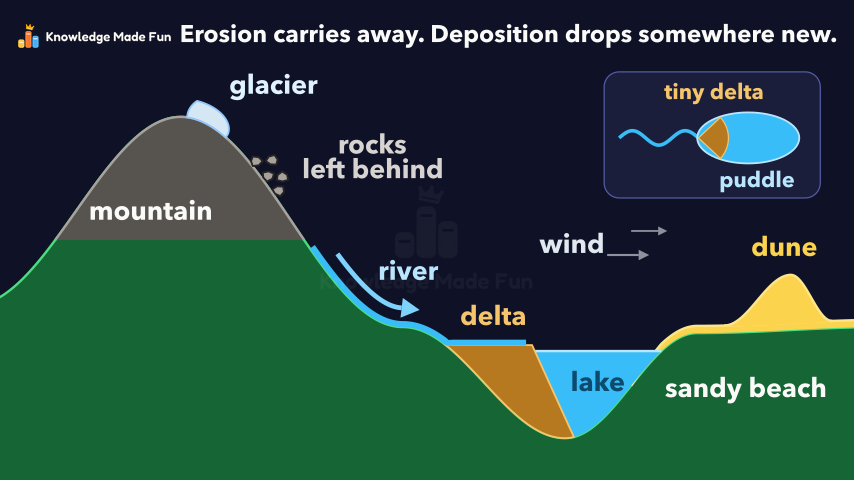 1 min 11 s
Erosion and Deposition: How Wind, Water and Ice Move Land
Grade 3 · 1 min 11 s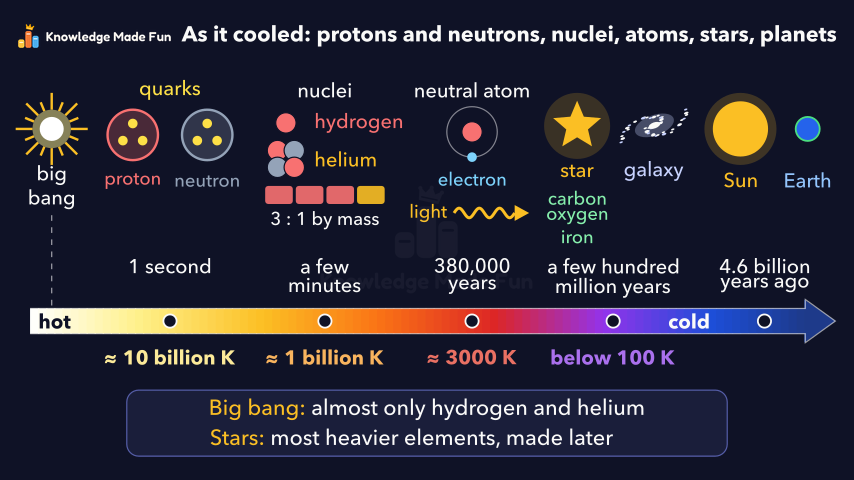 1 min 53 s
From quarks to galaxies: how the universe's matter formed
Grade 10 · 1 min 53 s 47 s
Hot, Warm, Cool and Cold: What Do We Wear?
Kindergarten · 47 s
- All Grade 7 Science lessons
- Create a free account to watch three lessons a day, no payment and no card.