Lesson · Grade 6 · Science
Hormones: the Body's Chemical Messengers
- Grade 6
- Science
- 1 min 21 s
- British Columbia
- BC6-SC-03
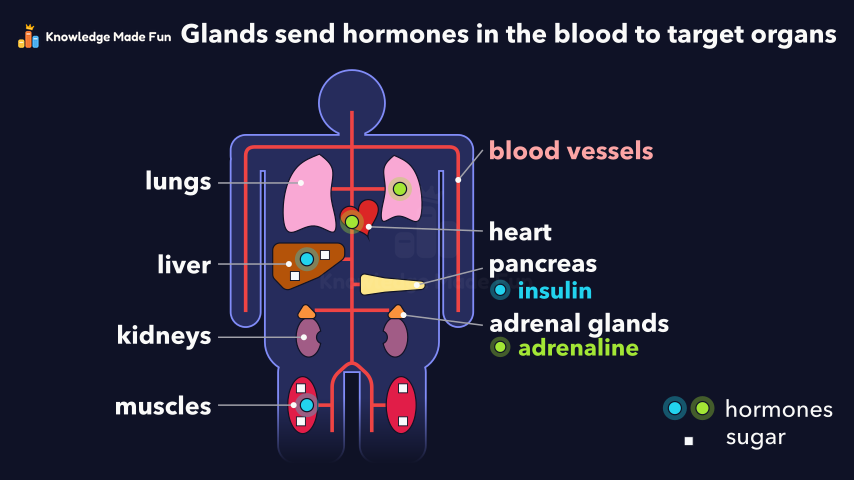
A labelled body diagram builds up step by step: glands such as the pancreas and the adrenal glands release hormones into the blood, which carries them all around the body to their target organs. Two examples follow: insulin makes the liver and muscles take in and store sugar so blood sugar returns to a healthy level, and adrenalin makes the heart beat faster and breathing speed up to get the body ready for action.
Anyone can watch two lessons on the website without an account. Signing in is free, no payment and no card, and opens three a day; Plus has no limit.
Loading
In one sentence
The question this lesson answers
How can one part of your body send a message to a part far away?
Organs called glands make chemicals called hormones.
Transcript
What the lesson says
How can one part of your body send a message to a part far away?
Organs called glands make chemicals called hormones.
For example, the pancreas, and the adrenal glands on top of the kidneys.
A gland releases its hormones into the blood.
Your blood then carries the hormones all around your body.
So hormones are the body's chemical messengers.
After you eat, the amount of sugar in your blood goes up.
Your pancreas then releases a hormone called insulin.
The blood carries insulin to its target organs, such as the liver and muscles.
Insulin makes them take in sugar from the blood and store it.
So your blood sugar goes back down to a healthy level.
When you get a fright, your adrenal glands release adrenaline.
Adrenaline makes your heart beat faster and you breathe faster.
This gets your body ready for action.
Glands send hormones in the blood to their target organs.
Curriculum
Where this fits
- British Columbia, Grade 6
Science, Biology: the basic structures and functions of body systems: hormonalBC6-SC-03
Previous: The excretory system: how the kidneys clean the bloodNext: The Nervous System: How Your Brain Knows What You Touch
The outcomes and strands follow the British Columbia curriculum.
Keep going
 1 min 3 s
A Sunflower's Life Cycle: Seed, Sprout, Flower, Seed
Kindergarten · 1 min 3 s 1 min 48 s
Adaptive radiation: one ancestor, many species
Grade 10 · 1 min 48 s 52 s
Animal Bodies That Help Them Live: Feet, Teeth and Fur
Kindergarten · 52 s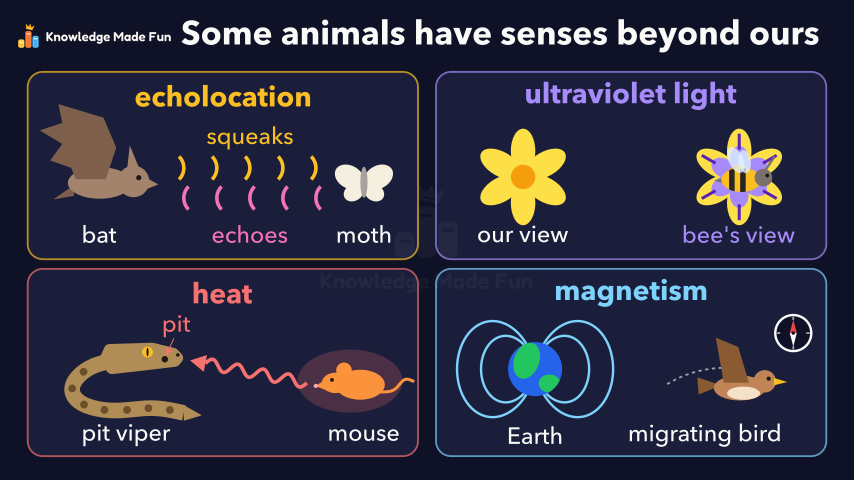 1 min 3 s
Animal senses beyond ours: echolocation, ultraviolet light, heat and magnetism
Grade 4 · 1 min 3 s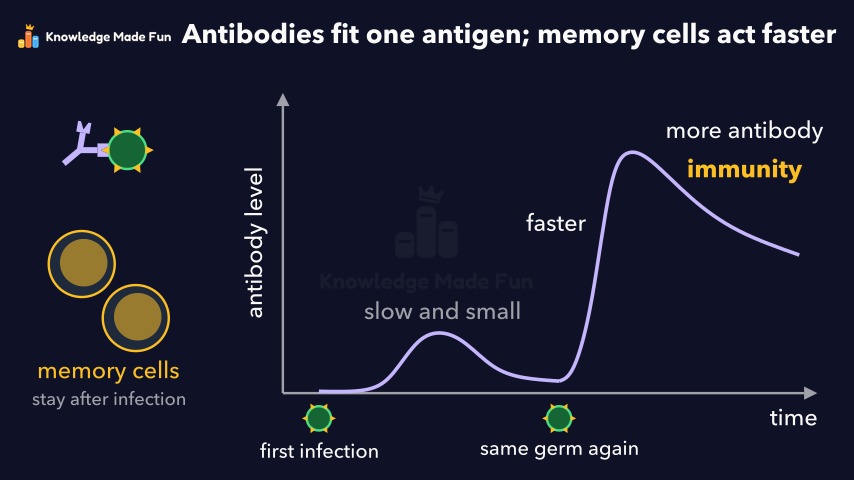 1 min 44 s
Antibodies and Memory Cells: The Body's Targeted Defence
Grade 8 · 1 min 44 s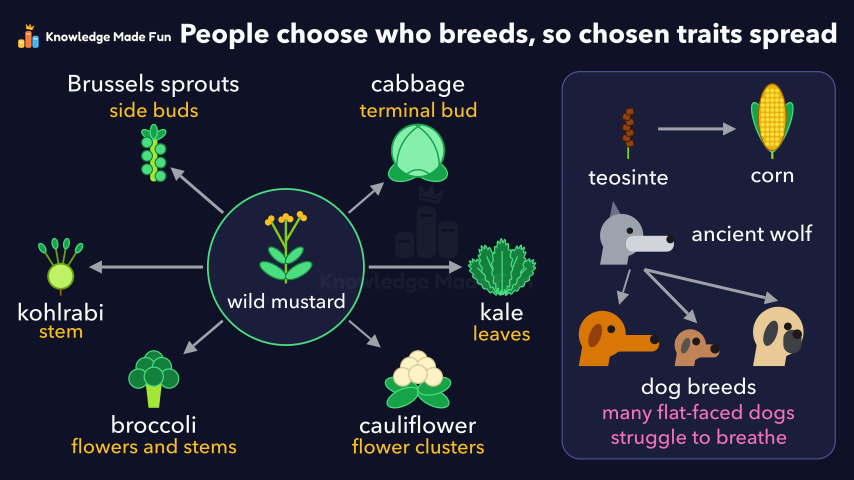 1 min 44 s
Artificial selection: people choose the traits
Grade 10 · 1 min 44 s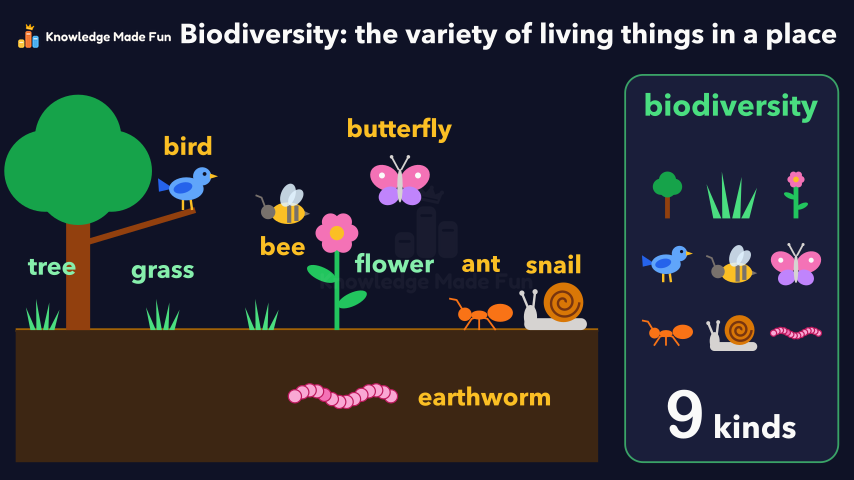 1 min 4 s
Biodiversity: The Variety of Living Things
Grade 3 · 1 min 4 s 1 min 8 s
Biomes: Sorted by Temperature and Precipitation
Grade 4 · 1 min 8 s
- All Grade 6 Science lessons
- Create a free account to watch three lessons a day, no payment and no card.