Lesson · Grade 1 · Science
Getting Through Winter: Hibernate, Rest or Migrate
- Grade 1
- Science
- 53 s
- British Columbia
- BC1-SC-05
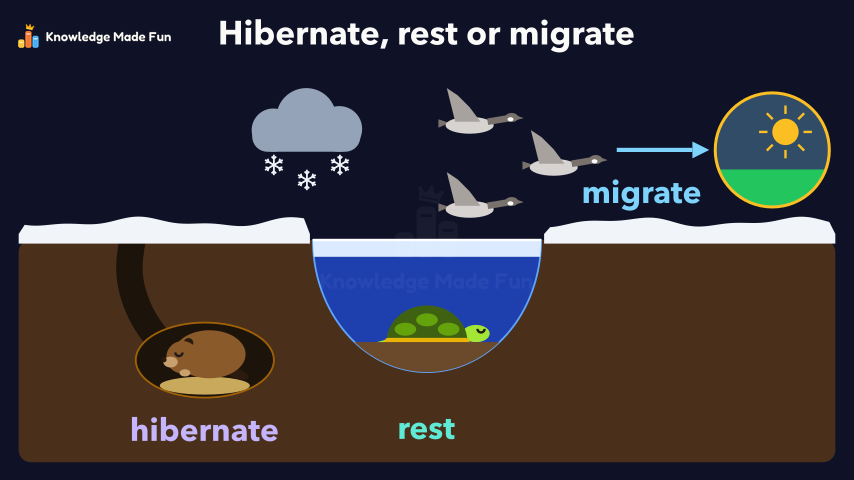
As winter comes, a groundhog goes down its burrow to hibernate in a deep sleep for months, and a turtle swims to the bottom of the pond to rest in the mud. Many geese migrate to a warmer place with more food, and then snow covers the ground and ice covers the pond, ending on the recap that some animals hibernate, some rest and some migrate.
Anyone can watch two lessons on the website without an account. Signing in is free, no payment and no card, and opens three a day; Plus has no limit.
Loading
In one sentence
The question this lesson answers
How do animals get through the cold winter?
Here are three common ways they do it.
Transcript
What the lesson says
How do animals get through the cold winter?
Here are three common ways they do it.
A groundhog goes down into its burrow.
It hibernates, in a very deep sleep for months.
A turtle swims down to the bottom of the pond.
It rests in the mud and barely moves.
Many geese fly far away before winter.
They migrate to warmer places with more food.
Then snow falls and ice covers the pond.
Some animals hibernate, some rest, and some migrate.
Curriculum
Where this fits
- British Columbia, Grade 1
Science, Biology: behavioural adaptations of animals in the local environmentBC1-SC-05
Previous: Bones Inside, Shell Outside, or Neither?Next: Hiding and Copying: How Insects Stay Safe
The outcomes and strands follow the British Columbia curriculum.
Keep going
 1 min 3 s
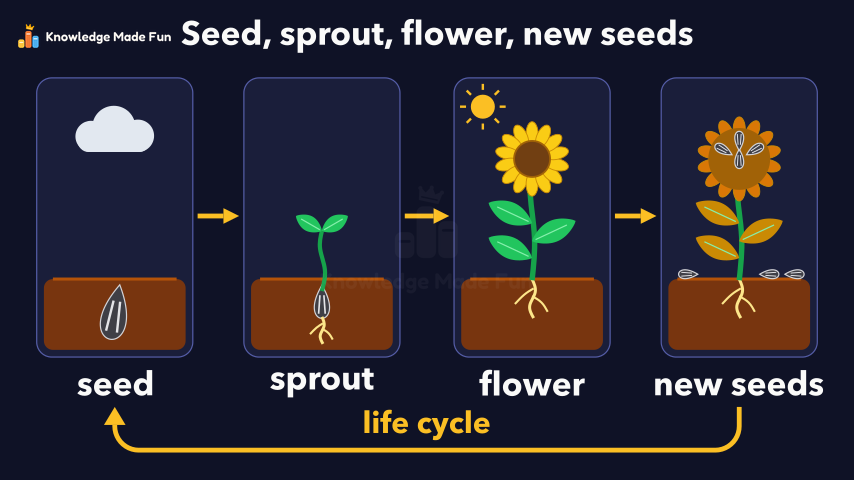
A Sunflower's Life Cycle: Seed, Sprout, Flower, Seed
Kindergarten · 1 min 3 s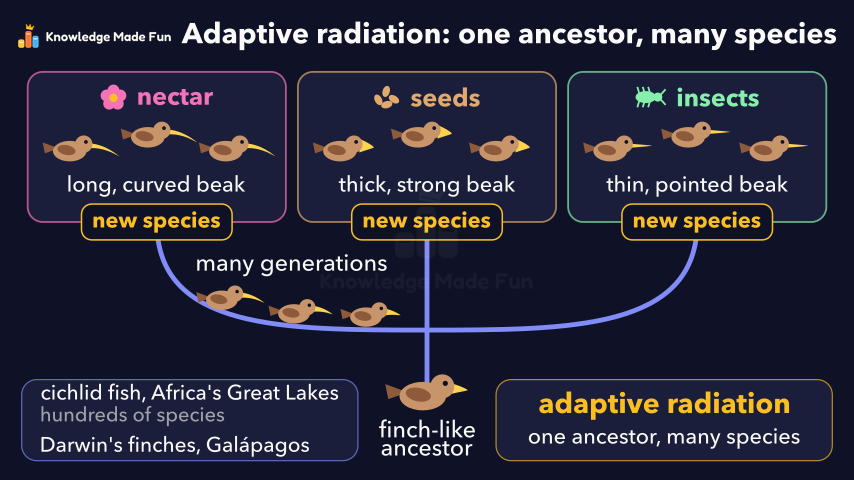 1 min 48 s
Adaptive radiation: one ancestor, many species
Grade 10 · 1 min 48 s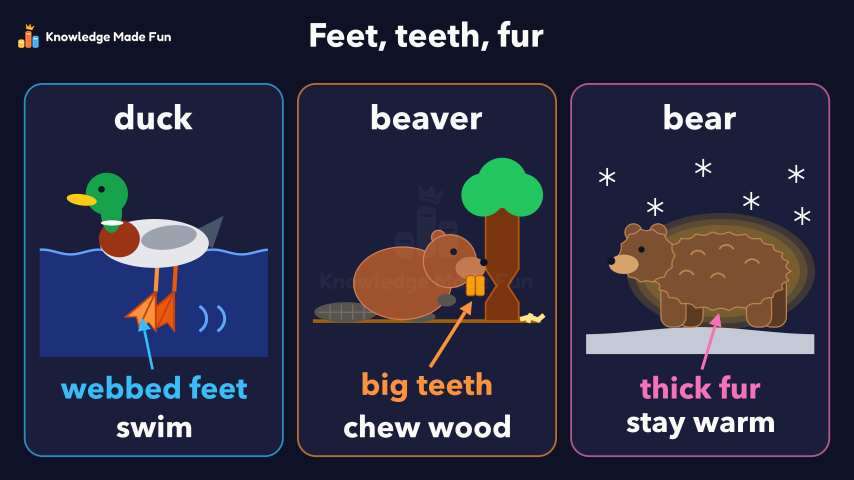 52 s
Animal Bodies That Help Them Live: Feet, Teeth and Fur
Kindergarten · 52 s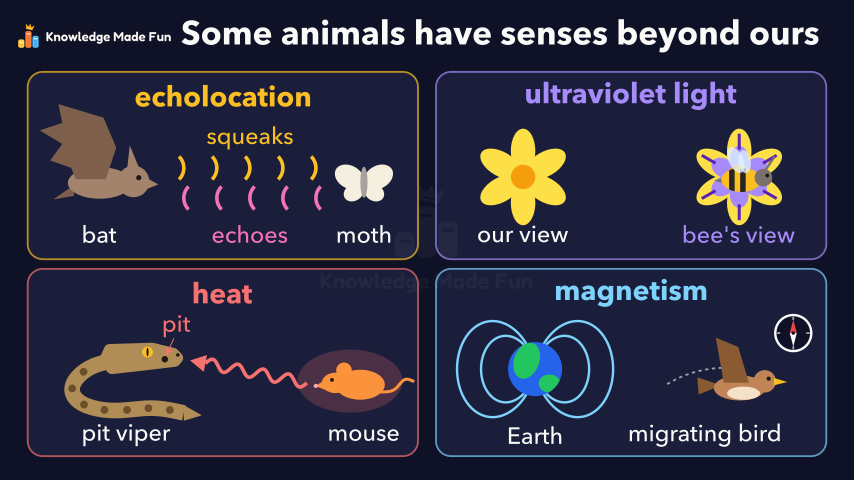 1 min 3 s
Animal senses beyond ours: echolocation, ultraviolet light, heat and magnetism
Grade 4 · 1 min 3 s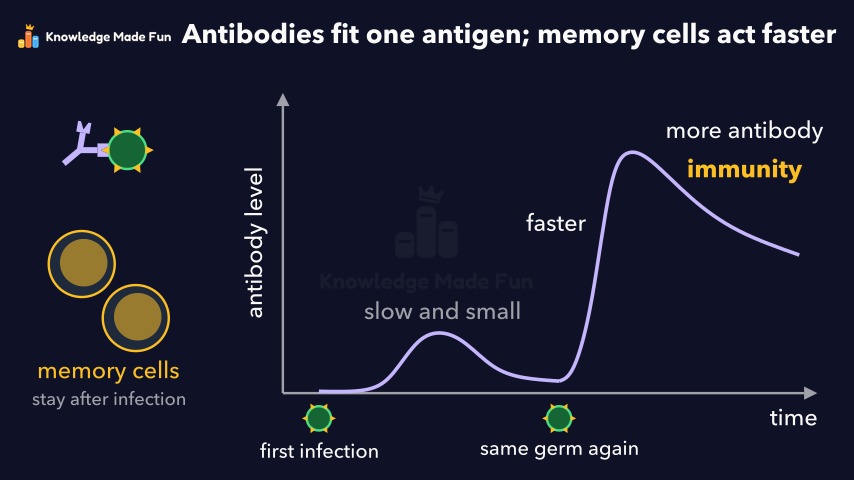 1 min 44 s
Antibodies and Memory Cells: The Body's Targeted Defence
Grade 8 · 1 min 44 s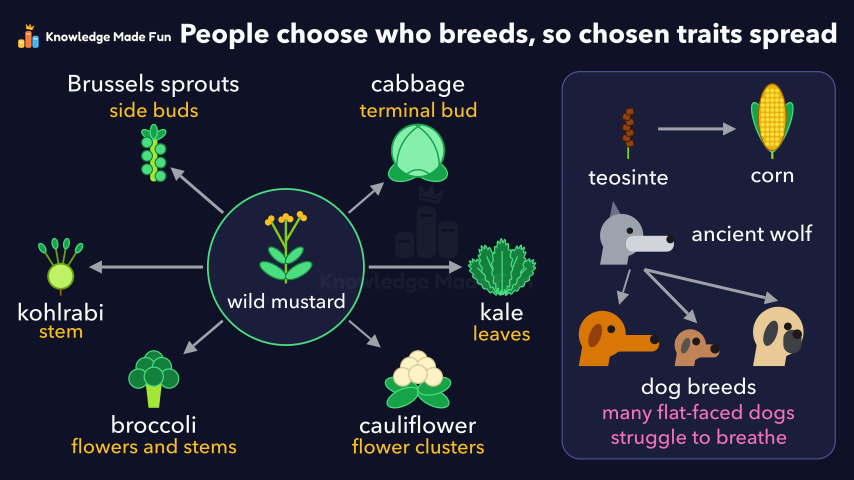 1 min 44 s
Artificial selection: people choose the traits
Grade 10 · 1 min 44 s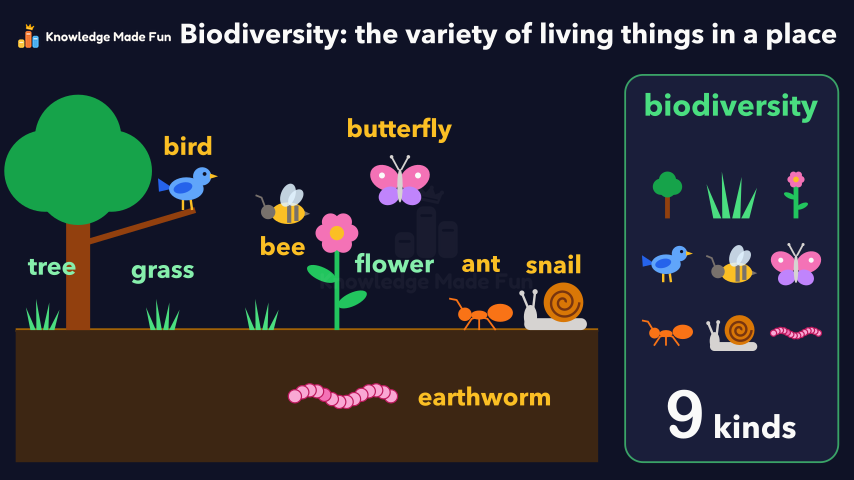 1 min 4 s
Biodiversity: The Variety of Living Things
Grade 3 · 1 min 4 s 1 min 8 s
Biomes: Sorted by Temperature and Precipitation
Grade 4 · 1 min 8 s
- All Grade 1 Science lessons
- Create a free account to watch three lessons a day, no payment and no card.