Lesson · Grade 10 · Science
Exothermic and Endothermic Reactions
- Grade 10
- Science
- 1 min 43 s
- British Columbia
- BC10-SC-26
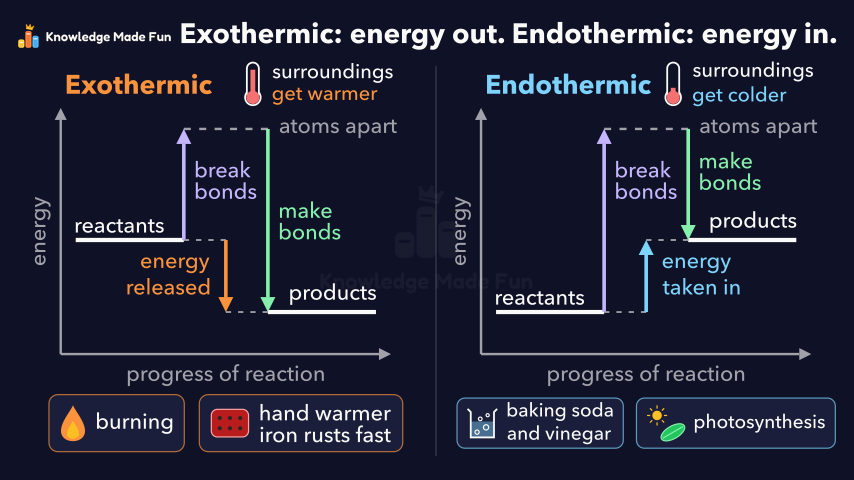
Two energy level diagrams build up side by side. The exothermic one shows products below the reactants, with the energy released warming the surroundings (burning, a hand warmer); the endothermic one shows products above the reactants, with the energy taken in cooling the surroundings (baking soda with vinegar, photosynthesis), and a crossed-out "adds cold" corrects the common mistake. Arrows for breaking and making bonds are then added to both diagrams to show that the difference between energy taken in and energy released decides which kind a reaction is, ending on the recap "Exothermic: energy out. Endothermic: energy in."
Anyone can watch two lessons on the website without an account. Signing in is free, no payment and no card, and opens three a day; Plus has no limit.
Loading
In one sentence
The question this lesson answers
When chemicals react, energy is transferred. Does it go out, or come in?
Energy goes up, and the progress of the reaction goes across. This is an energy level diagram.
Transcript
What the lesson says
When chemicals react, energy is transferred. Does it go out, or come in?
Energy goes up, and the progress of the reaction goes across. This is an energy level diagram.
Exothermic means energy goes out to the surroundings, everything around the chemicals.
The reactants start with more energy than the products.
The difference is released, so the surroundings get warmer.
Burning and hand warmers, where iron rusts fast, are exothermic.
Endothermic means energy comes in from the surroundings.
The reactants start with less energy than the products.
The difference is taken in, so the surroundings get colder.
Baking soda and vinegar get colder as they react. Photosynthesis takes in energy from sunlight.
Careful: an endothermic reaction does not add cold. It takes energy in from the surroundings, so they cool down.
Why? Breaking the bonds in the reactants pulls their atoms apart, and that takes in energy.
Making new bonds in the products releases energy.
If making bonds releases more energy than breaking bonds takes in, the reaction is exothermic.
If breaking bonds takes in more energy than making bonds releases, the reaction is endothermic.
So exothermic reactions give energy out, and endothermic reactions take energy in.
Curriculum
Where this fits
- British Columbia, Grade 10
Science 10, Chemistry: energy change during chemical reactionsBC10-SC-26
Previous: Balancing Chemical EquationsNext: Activation energy: the push a reaction needs to start
The outcomes and strands follow the British Columbia curriculum.
Keep going
 1 min 40 s
Acids and bases: the pH scale
Grade 10 · 1 min 40 s 1 min 39 s
Activation energy: the push a reaction needs to start
Grade 10 · 1 min 39 s 1 min 54 s
Atomic Size: Bigger Down a Group, Smaller Across a Period
Grade 9 · 1 min 54 s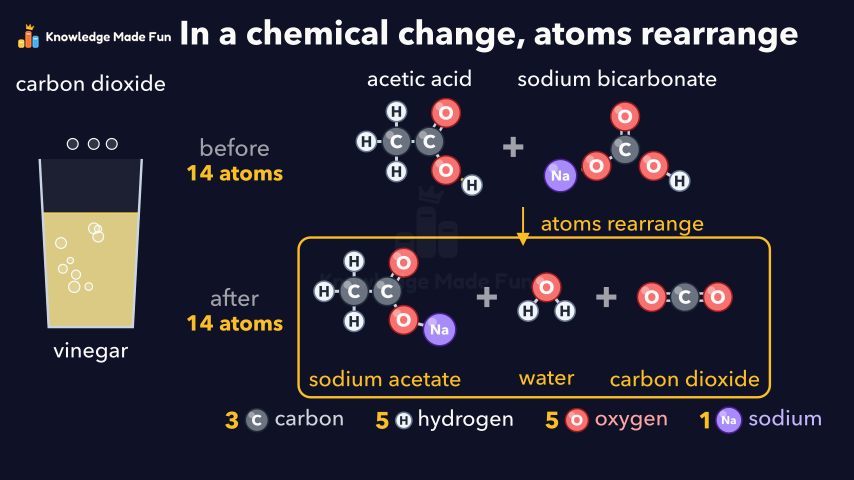 1 min 18 s
Atoms rearrange: vinegar and baking soda
Grade 7 · 1 min 18 s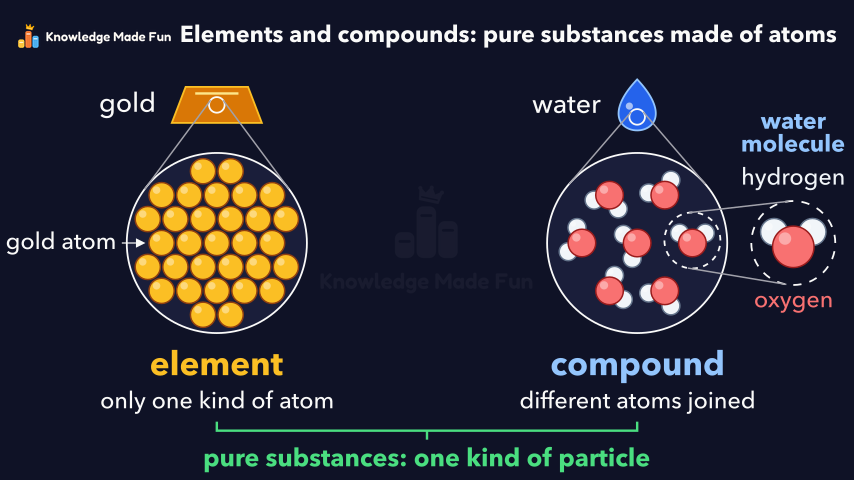 1 min 16 s
Atoms: What Everything Is Made Of
Grade 7 · 1 min 16 s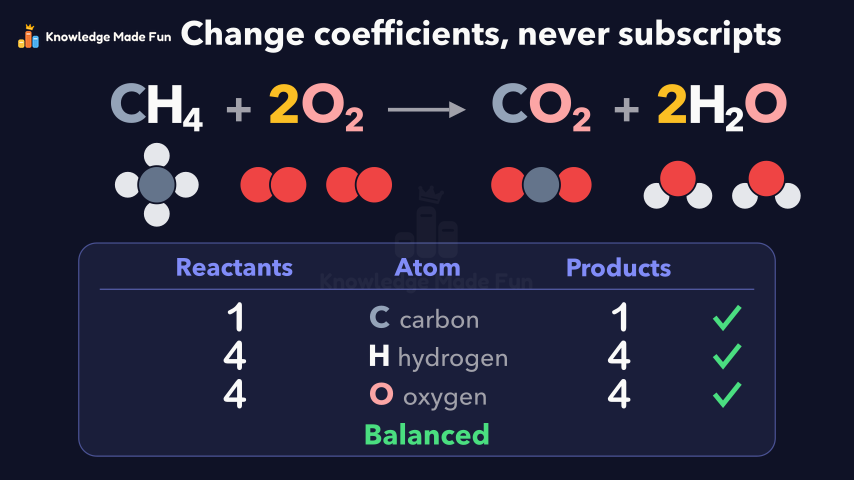 2 min 3 s
Balancing Chemical Equations
Grade 10 · 2 min 3 s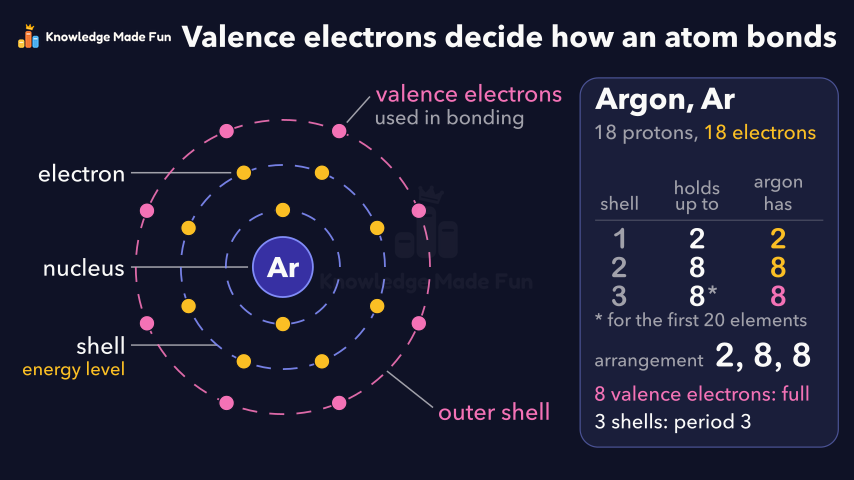 1 min 54 s
Bohr Diagrams: Electrons in Shells and Valence Electrons
Grade 9 · 1 min 54 s 1 min 45 s
Brownian motion: evidence that molecules exist
Grade 8 · 1 min 45 s
- All Grade 10 Science lessons
- Create a free account to watch three lessons a day, no payment and no card.