Lesson · Grade 9 · Mathematics
Why (−3)² Is Not the Same as −3²
- Grade 9
- Mathematics
- 2 min 1 s
- British Columbia
- BC9-MA-06
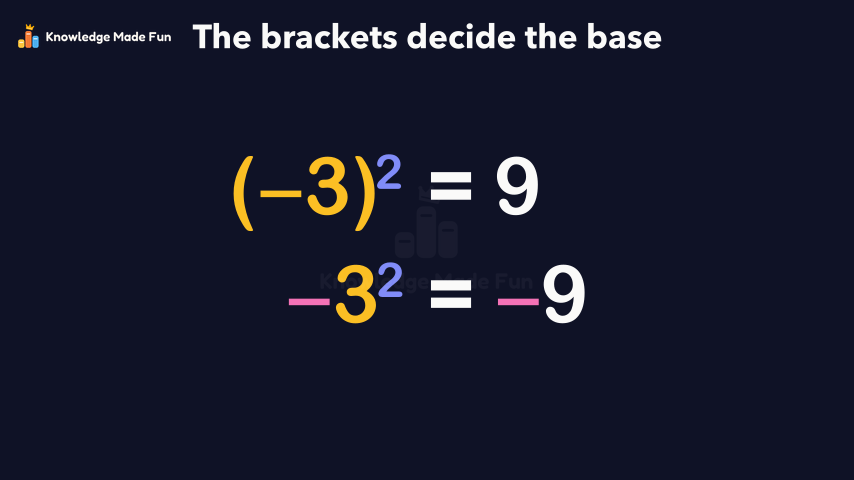
The brackets in (−3)² make −3 the base, so (−3) × (−3) = 9, while in −3² only the 3 is squared and the negative sign goes on last, giving −9. The video then shows that (−2)³ = −8 and (−2)⁴ = 16, so a negative base gives a negative answer with an odd exponent and a positive one with an even exponent, and warns that typing −3² into a calculator without brackets gives −9, not 9.
Concept: Why (-3) squared is not the same as -3 squared
Anyone can watch two lessons on the website without an account. Signing in is free, no payment and no card, and opens three a day; Plus has no limit.
Loading
In one sentence
The question this lesson answers
These two look almost the same: negative 3 in brackets, squared, and negative 3 squared. Are they equal?
Each one is a power. The base is the number being multiplied, and the small raised 2 is the exponent: it says to multiply two copies of the base.
Transcript
What the lesson says
These two look almost the same: negative 3 in brackets, squared, and negative 3 squared. Are they equal?
Each one is a power. The base is the number being multiplied, and the small raised 2 is the exponent: it says to multiply two copies of the base.
Both exponents are 2. So which number is the base in each one?
In the first, the brackets hold the negative sign and the 3 together, so the base is negative 3.
Negative 3 times negative 3 is 9, because a negative times a negative is a positive.
The second has no brackets, so the exponent belongs only to the 3. The base is just 3.
Square the 3 first: 3 times 3 is 9. The negative sign goes on last, giving negative 9.
So they are not equal: one is 9, the other is negative 9.
Now negative 2 in brackets, cubed: three copies of negative 2. The first two make 4, and 4 times negative 2 is negative 8.
To the power of 4, use four copies. Each pair makes 4, and 4 times 4 is 16.
With a negative base, an even exponent gives a positive answer, and an odd exponent gives a negative answer.
A common mistake is typing negative 3 squared, without brackets, into a calculator and expecting 9. Most scientific calculators show negative 9.
To square negative 3, type the brackets. Then you get 9.
Remember: the brackets decide the base. Negative 3 in brackets, squared, is 9, but negative 3 squared is negative 9.
Curriculum
Where this fits
- British Columbia, Grade 9
Mathematics, Number: exponents and exponent laws with whole-number exponentsBC9-MA-06
Previous: Powers: Base, Exponent and Repeated MultiplicationNext: Multiplying and Dividing Powers with the Same Base
The outcomes and strands follow the British Columbia curriculum.
Keep going
 1 min 26 s
15.2 − 7.85
Grade 4 · 1 min 26 s 1 min 37 s
2.4 × 1.3
Grade 7 · 1 min 37 s 1 min 4 s
3 × 7 = 7 × 3: Equal Groups, Skip Counting and Arrays
Grade 4 · 1 min 4 s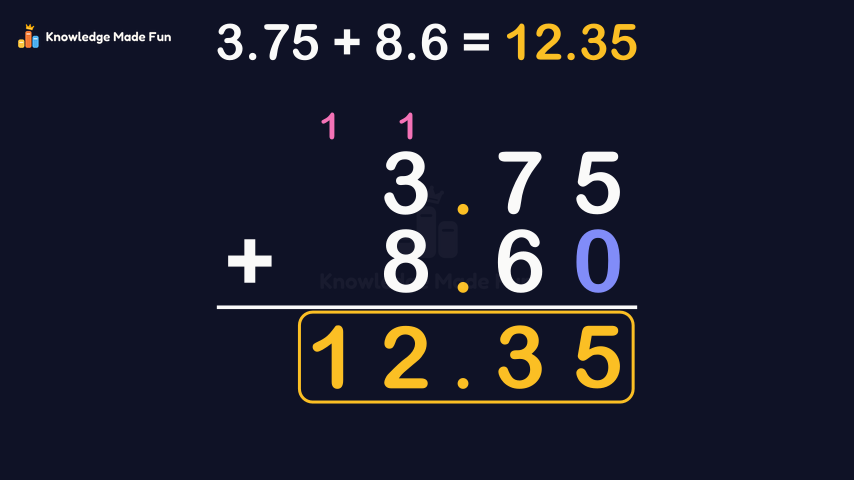 59 s
3.75 + 8.6
Grade 4 · 59 s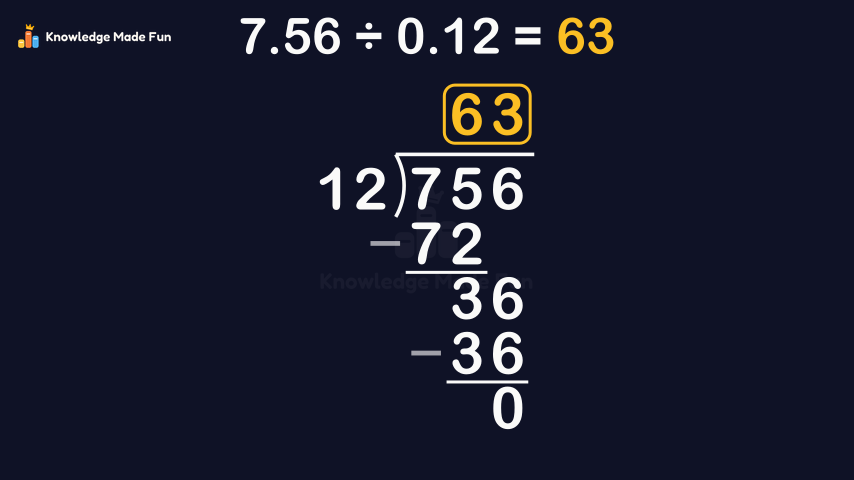 1 min 32 s
7.56 ÷ 0.12
Grade 7 · 1 min 32 s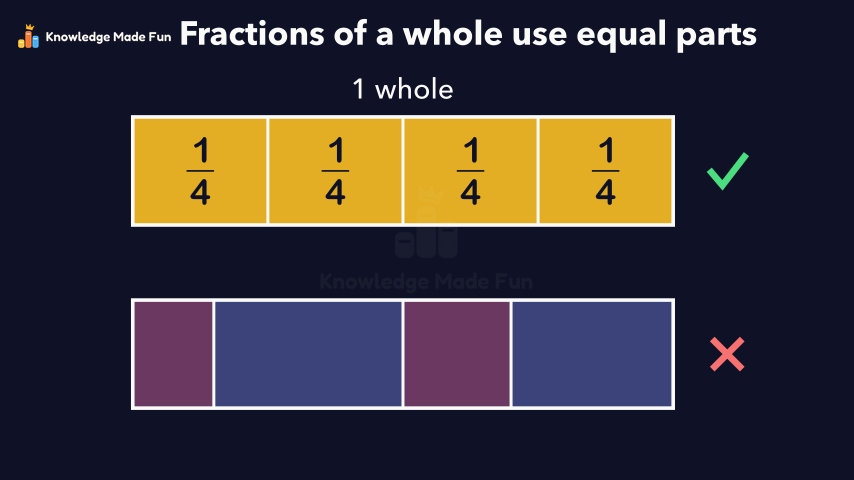 56 s
A Fraction Is Equal Parts of One Whole
Grade 3 · 56 s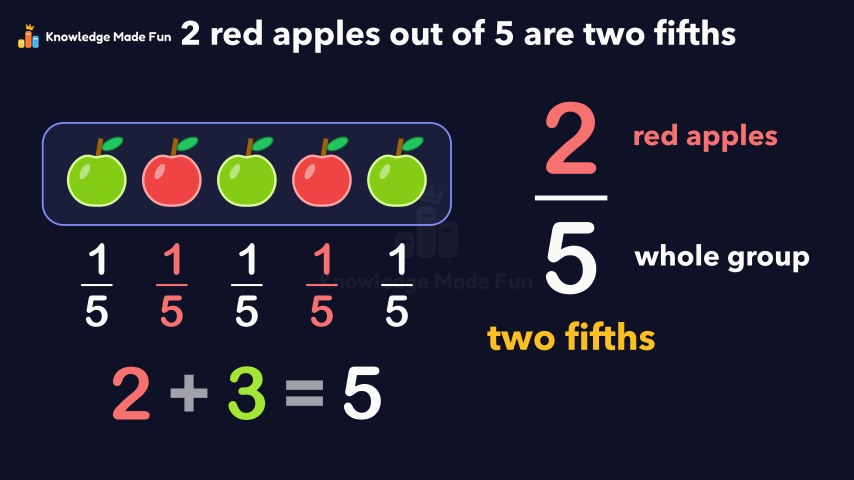 57 s
A Fraction of a Group
Grade 3 · 57 s 1 min 23 s
Adding and subtracting are related
Grade 1 · 1 min 23 s
- All Grade 9 Mathematics lessons
- Try the graph paper, free for everyone, no account needed.
- Create a free account to watch three lessons a day, no payment and no card.