Lesson · Grade 6 · Mathematics
Prime and Composite Numbers: Count the Factors
- Grade 6
- Mathematics
- 1 min 19 s
- British Columbia
- BC6-MA-07
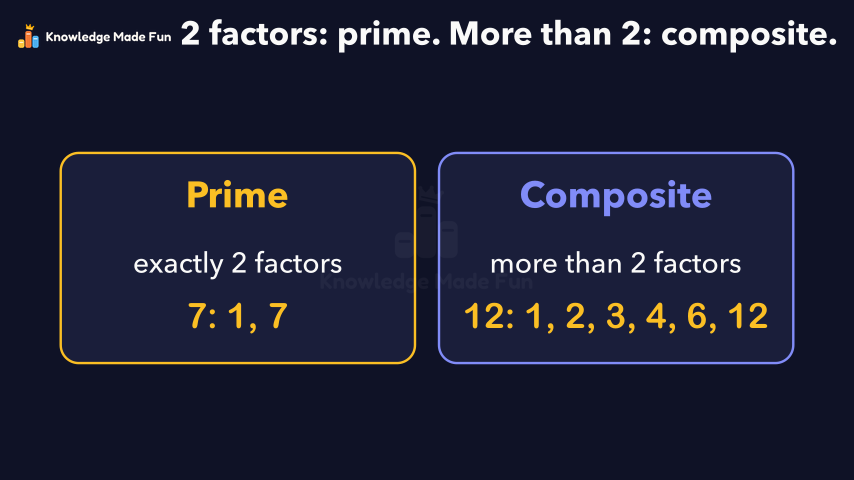
Arranging 12 tiles into equal rows (1 × 12, 2 × 6 and 3 × 4) shows that 12 has six factors, more than two, so it is composite, while 7 tiles make only 1 row of 7 because 2, 3, 4, 5 or 6 rows always leave tiles over, so 7 has exactly two factors and is prime. The video also explains that 1 has only one factor, so it is neither prime nor composite, and ends on a recap: a prime has exactly two factors and a composite number has more than two.
Concept: Prime and composite numbers
Anyone can watch two lessons on the website without an account. Signing in is free, no payment and no card, and opens three a day; Plus has no limit.
Loading
In one sentence
The question this lesson answers
Are the numbers 12 and 7 prime or composite?
12 tiles make 1 row of 12, so 1 times 12 is 12.
Transcript
What the lesson says
Are the numbers 12 and 7 prime or composite?
12 tiles make 1 row of 12, so 1 times 12 is 12.
They also make 2 rows of 6, so 2 times 6 is 12.
They also make 3 rows of 4, so 3 times 4 is 12.
So the factors of 12 are 1, 2, 3, 4, 6 and 12.
Six factors is more than two, so 12 is a composite number.
Now 7 tiles make 1 row of 7, so 1 times 7 is 7.
2 rows of 3 leave 1 tile over, so 2 is not a factor of 7.
3, 4, 5 or 6 rows leave tiles over too.
So the only factors of 7 are 1 and 7.
Exactly two factors, 1 and itself, means 7 is a prime number.
The number 1 has only one factor, so it is neither prime nor composite.
A prime like 7 has exactly two factors, and a composite like 12 has more than two.
Curriculum
Where this fits
- British Columbia, Grade 6
Mathematics, Number: factors and multiples: greatest common factor and least common multipleBC6-MA-07
Previous: Order of Operations: Brackets, Then Divide, Then SubtractNext: Divisibility Rules for 2, 3, 4, 5, 6, 9 and 10
The outcomes and strands follow the British Columbia curriculum.
Keep going
 1 min 26 s
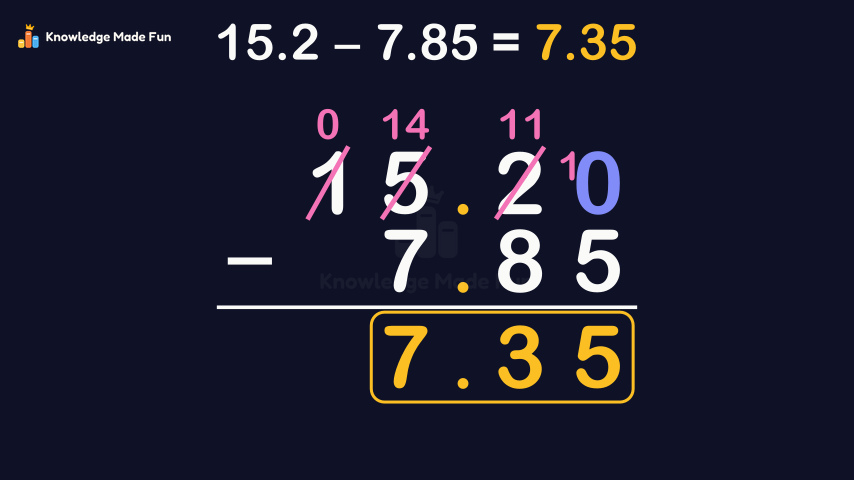
15.2 − 7.85
Grade 4 · 1 min 26 s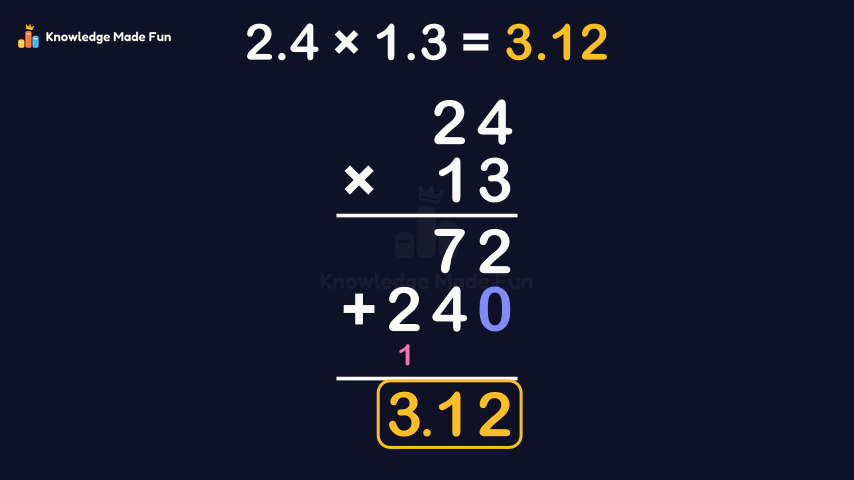 1 min 37 s
2.4 × 1.3
Grade 7 · 1 min 37 s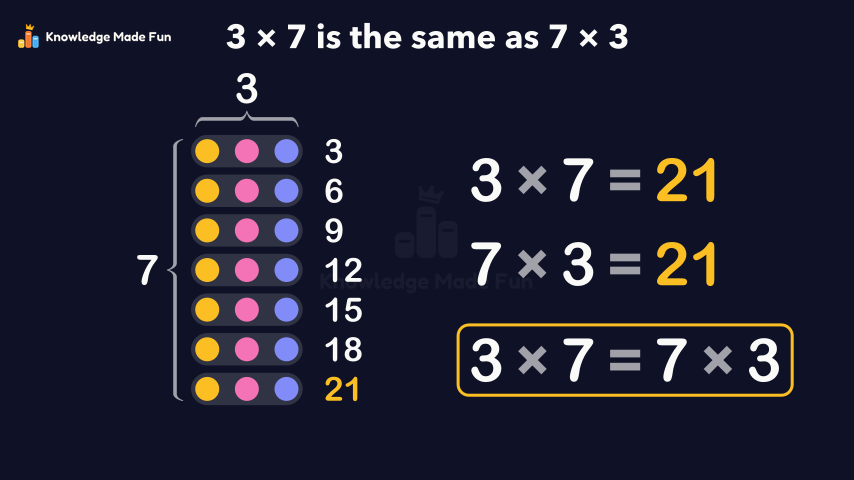 1 min 4 s
3 × 7 = 7 × 3: Equal Groups, Skip Counting and Arrays
Grade 4 · 1 min 4 s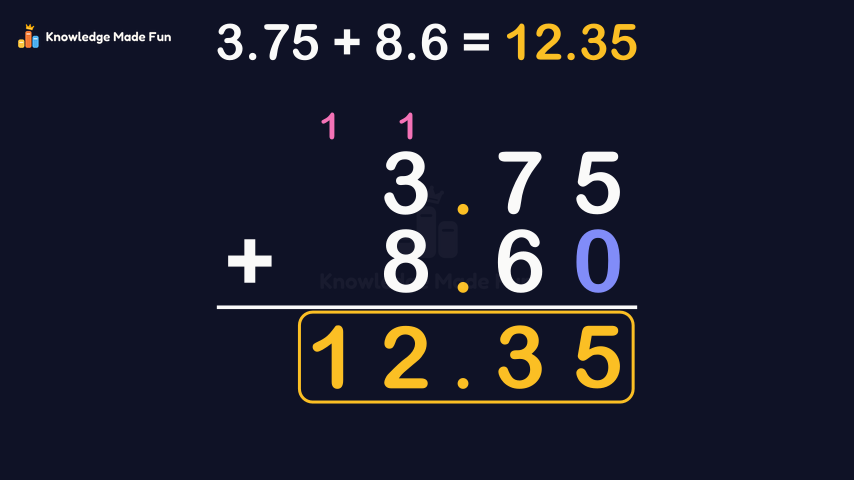 59 s
3.75 + 8.6
Grade 4 · 59 s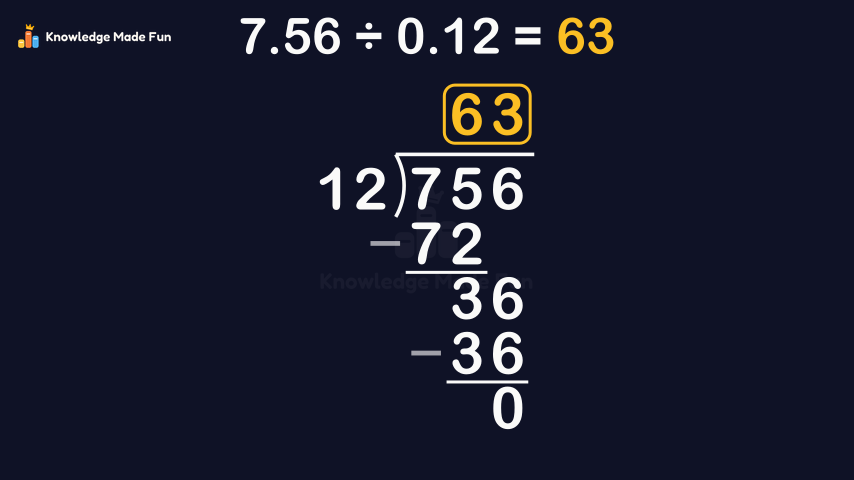 1 min 32 s
7.56 ÷ 0.12
Grade 7 · 1 min 32 s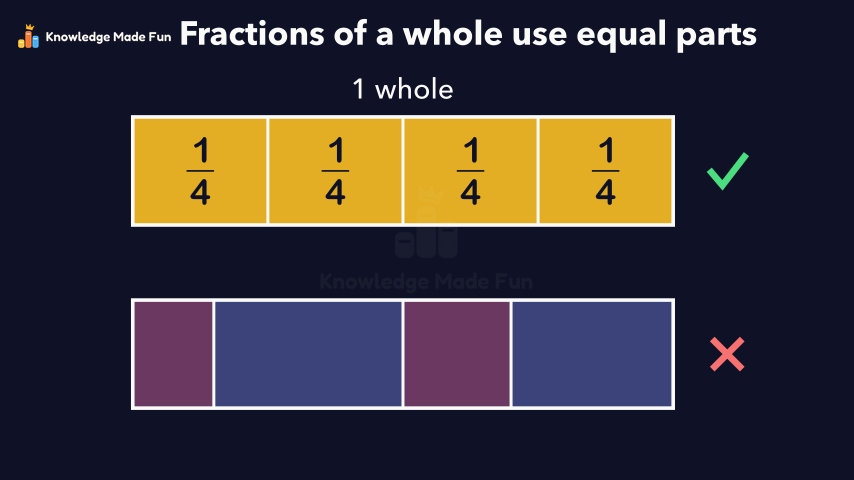 56 s
A Fraction Is Equal Parts of One Whole
Grade 3 · 56 s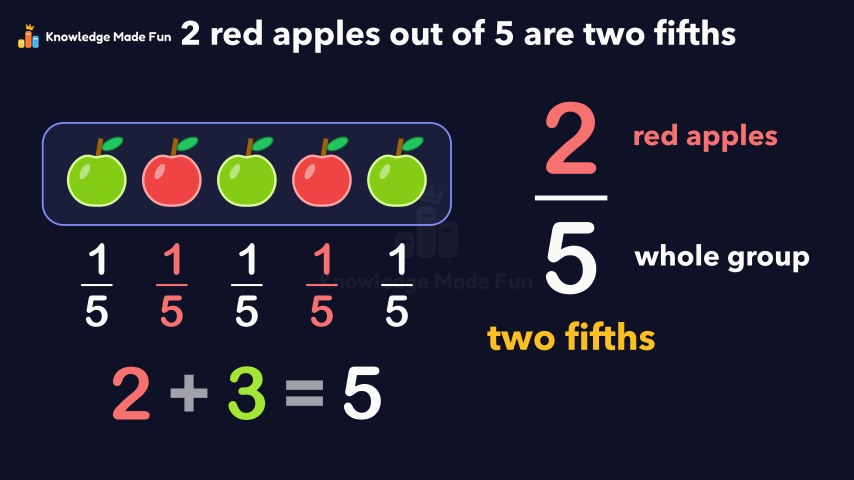 57 s
A Fraction of a Group
Grade 3 · 57 s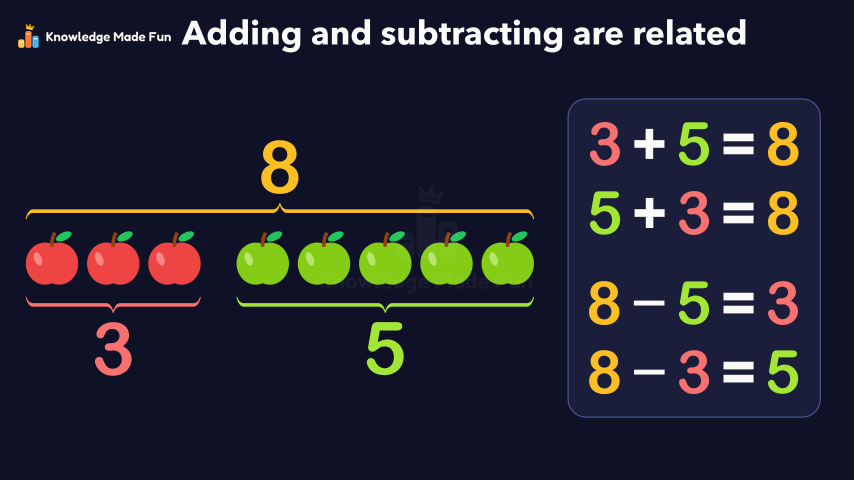 1 min 23 s
Adding and subtracting are related
Grade 1 · 1 min 23 s
- All Grade 6 Mathematics lessons
- Teachers: the maths worksheets for Grade 6 are in the dashboard, each with a worked example and a proven answer key.
- Try the graph paper, free for everyone, no account needed.
- Create a free account to watch three lessons a day, no payment and no card.