Lesson · Grade 2 · Mathematics
Doubles and Near Doubles: 6 + 7
- Grade 2
- Mathematics
- 1 min 8 s
- British Columbia
- BC2-MA-07
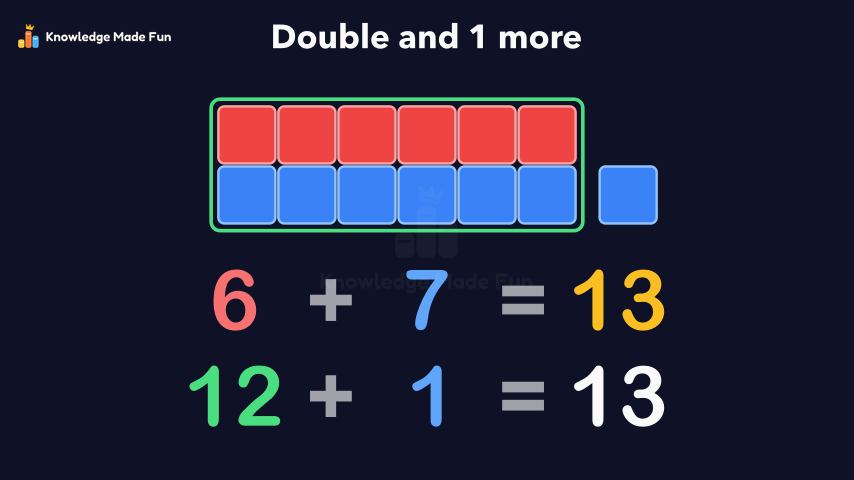
Rows of 6 red and 7 blue cubes are counted one at a time, and matching them in pairs shows that 7 is 6 and 1 more, so 6 + 7 = 6 + 6 + 1. Counting on shows double 6 is 12, and one more cube makes 13, so a near double is a double and one more.
Concept: Doubles and near doubles
Anyone can watch two lessons on the website without an account. Signing in is free, no payment and no card, and opens three a day; Plus has no limit.
Loading
In one sentence
The question this lesson answers
What is six plus seven? Let's find out!
Here are six red cubes in a row. One, two, three, four, five, six.
Transcript
What the lesson says
What is six plus seven? Let's find out!
Here are six red cubes in a row. One, two, three, four, five, six.
Here are seven blue cubes in a row. One, two, three, four, five, six, seven.
The blue row has just one more cube.
Six plus seven is almost a double. It is a near double.
Seven is six plus one. So we have six plus six plus one.
Six plus six is a double, the same number twice.
Count on from six: seven, eight, nine, ten, eleven, twelve.
So six plus six is twelve.
Twelve and one more is thirteen.
So six plus seven is thirteen!
For a near double, use a double and one more.
Curriculum
Where this fits
- British Columbia, Grade 2
Mathematics, Number: addition and subtraction facts to 20 (introduction of computational strategies)BC2-MA-07
Previous: Making 10 to add: 8 + 5Next: Subtracting by Counting Up
- British Columbia, Grade 3
Mathematics, Number: addition and subtraction facts to 20 (emerging computational fluency)BC3-MA-11
Previous: Make a Ten to AddNext: Fact families: adding and subtracting are related
This lesson is also listed in Grade 3.
The outcomes and strands follow the British Columbia curriculum.
Keep going
 1 min 26 s
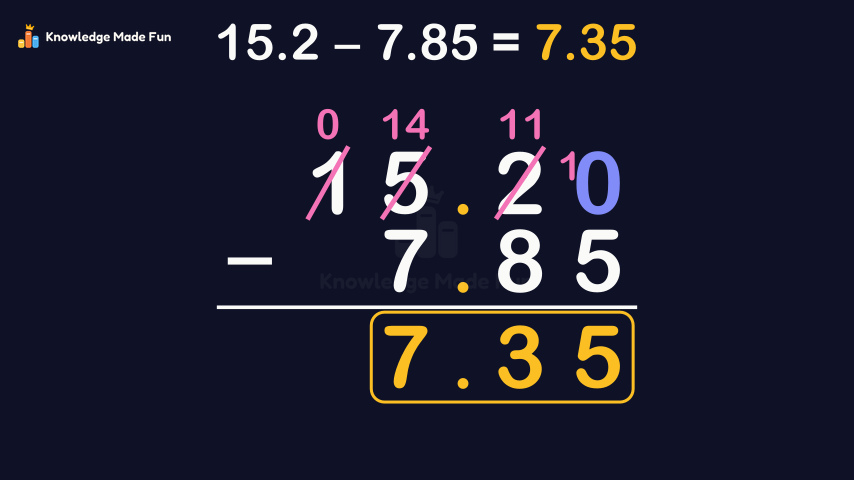
15.2 − 7.85
Grade 4 · 1 min 26 s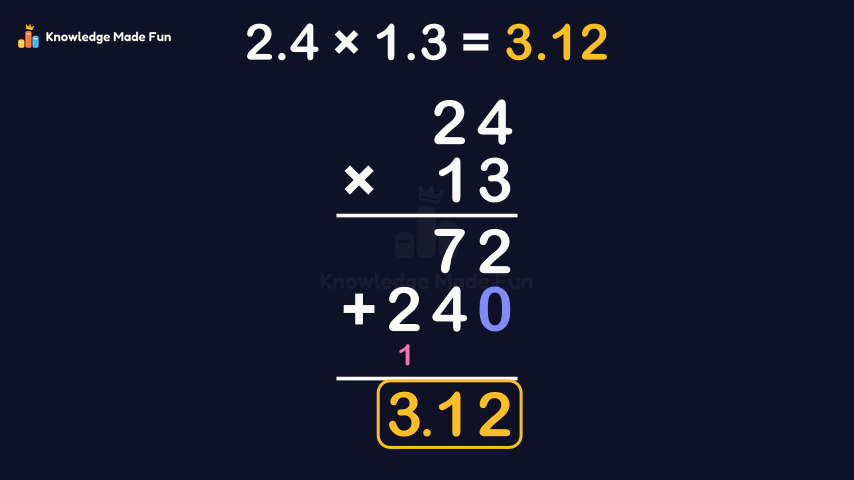 1 min 37 s
2.4 × 1.3
Grade 7 · 1 min 37 s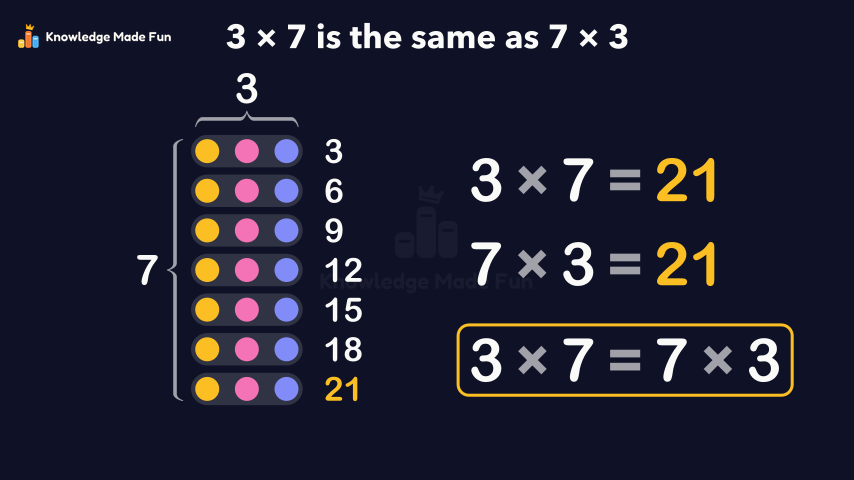 1 min 4 s
3 × 7 = 7 × 3: Equal Groups, Skip Counting and Arrays
Grade 4 · 1 min 4 s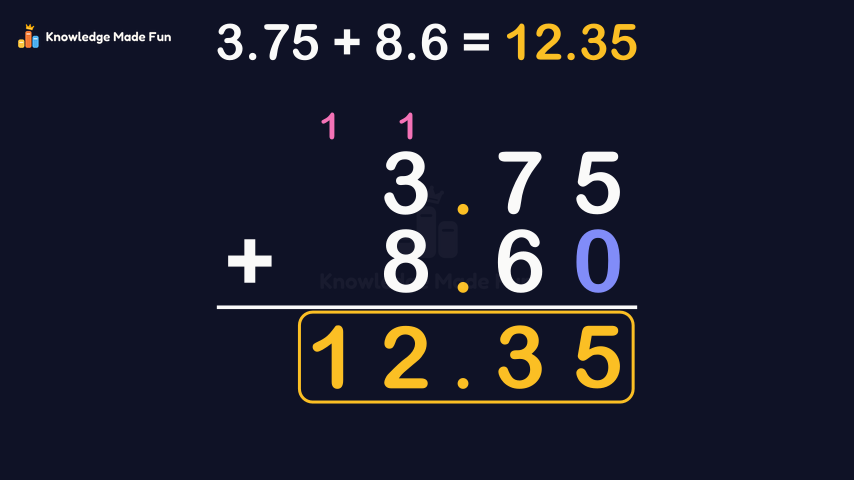 59 s
3.75 + 8.6
Grade 4 · 59 s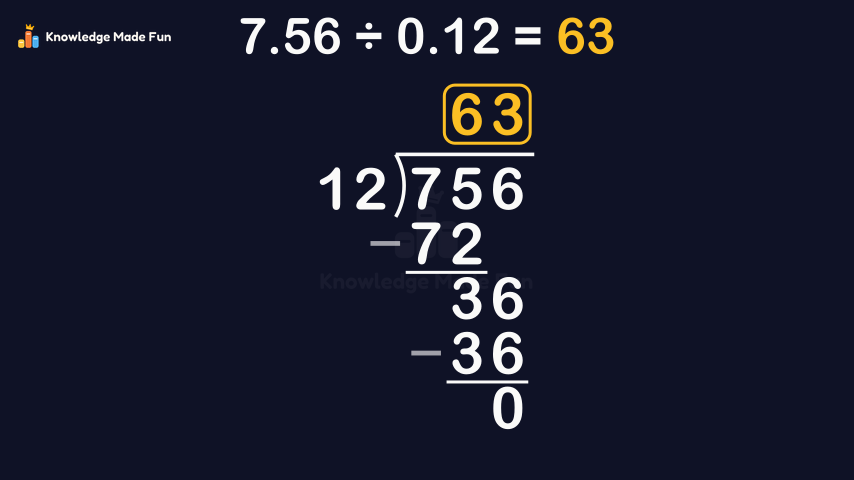 1 min 32 s
7.56 ÷ 0.12
Grade 7 · 1 min 32 s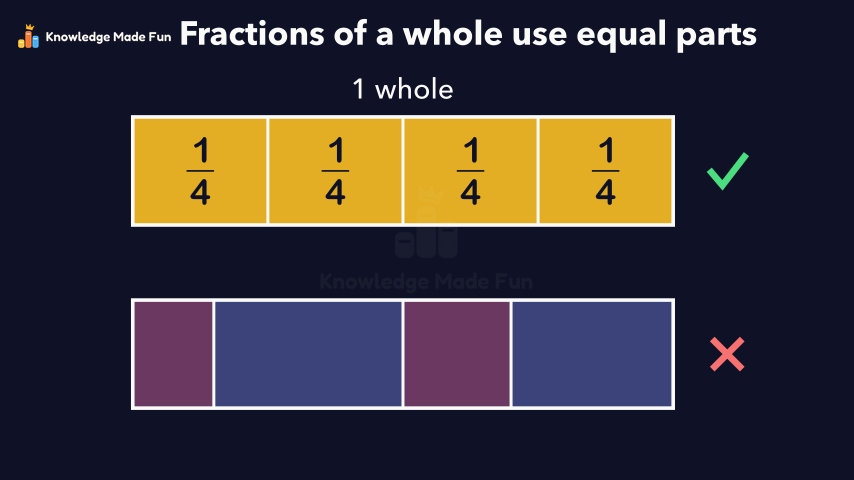 56 s
A Fraction Is Equal Parts of One Whole
Grade 3 · 56 s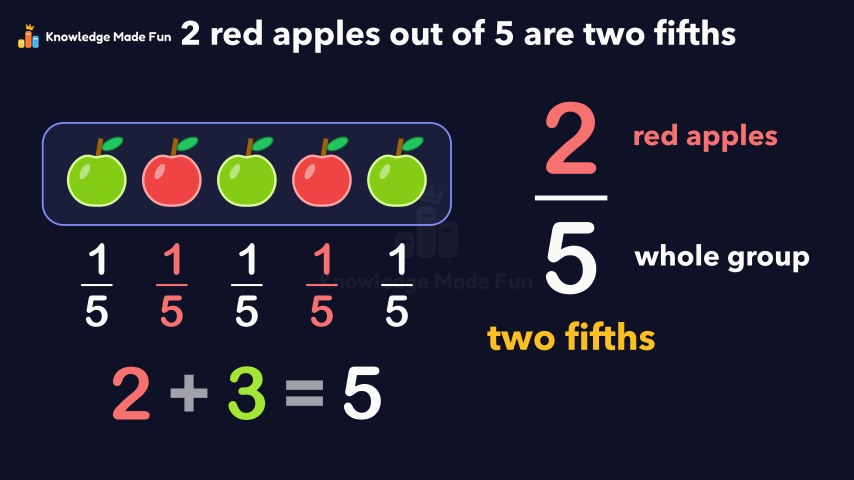 57 s
A Fraction of a Group
Grade 3 · 57 s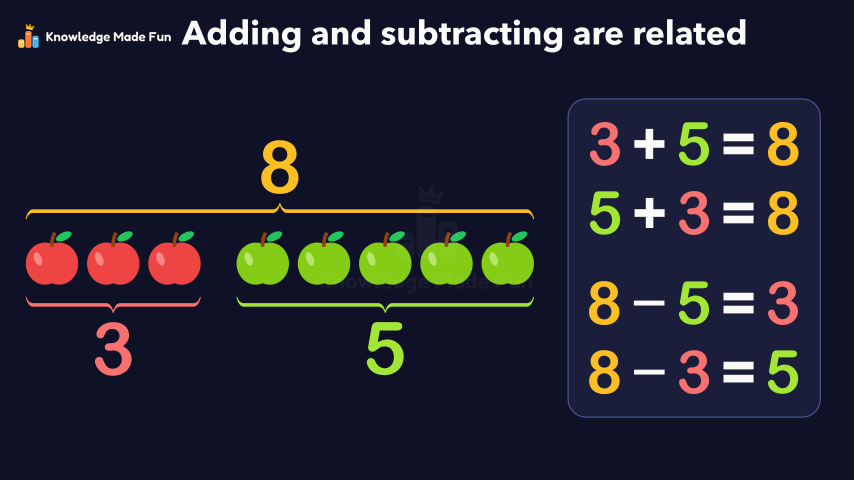 1 min 23 s
Adding and subtracting are related
Grade 1 · 1 min 23 s
- All Grade 2 Mathematics lessons
- Teachers: the maths worksheets for Grade 2 are in the dashboard, each with a worked example and a proven answer key.
- Try the graph paper, free for everyone, no account needed.
- Create a free account to watch three lessons a day, no payment and no card.