Lesson · Grade 10 · Science
Local and global impacts of energy technologies
- Grade 10
- Science
- 1 min 49 s
- British Columbia
- BC10-SC-42
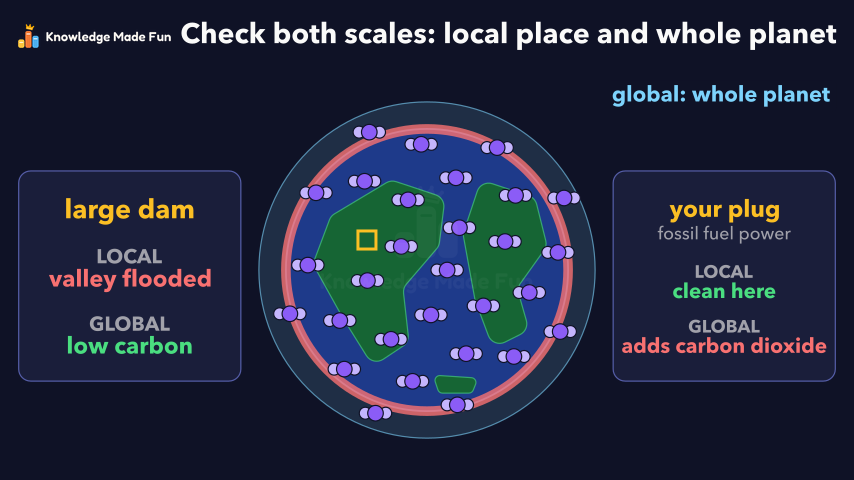
A map of one valley builds up step by step: a phone charging at a plug, then the dam and fossil fuel power plant that make the electricity, then their local impacts (cleared habitat, a flooded valley, smog and soot, warm cooling water). The map zooms out to the whole planet, where carbon dioxide from burning fossil fuels spreads through the atmosphere and drives climate change, and two cards show that a large dam is low carbon but floods a valley, while a plug is clean where you are but fossil fuel power adds carbon dioxide everywhere.
Anyone can watch two lessons on the website without an account. Signing in is free, no payment and no card, and opens three a day; Plus has no limit.
Loading
In one sentence
The question this lesson answers
A phone charging at the wall gives off no smoke. Does that mean its electricity has no impact anywhere?
This electricity comes from technologies that transform energy: a dam and a power plant burning fossil fuels.
Transcript
What the lesson says
A phone charging at the wall gives off no smoke. Does that mean its electricity has no impact anywhere?
This electricity comes from technologies that transform energy: a dam and a power plant burning fossil fuels.
Their impacts come at two scales. A local impact changes one place, like this valley.
Building mines, wells, pipelines and power lines clears habitat, the natural home of plants and animals.
A dam floods the land behind it to make a reservoir, a human-made lake.
Burning fuel in vehicles and power plants makes smog and soot, air pollution that can harm people's lungs.
Some power plants return warm cooling water to the river, which can harm fish.
Now zoom out from one valley to the whole planet.
A global impact affects the whole planet, like the carbon dioxide released by burning fossil fuels.
Carbon dioxide mixes through the whole atmosphere, so gas from one valley spreads all around Earth.
The extra gas traps more heat and drives climate change: long-term warming and changing weather everywhere.
The scales do not always match. A large dam is low carbon, giving off little carbon dioxide, but it floods a valley.
Or the reverse: your plug is clean where you are, but power from fossil fuels adds carbon dioxide to the whole atmosphere.
So clean at the plug does not mean no impact: check both the local place and the whole planet.
Curriculum
Where this fits
- British Columbia, Grade 10
Science 10, Physics: local and global impacts of energy transformations from technologiesBC10-SC-42
Previous: Efficiency: where the wasted energy goesNext: The Four Fundamental Forces
The outcomes and strands follow the British Columbia curriculum.
Keep going
 1 min 51 s
A Complete Circuit: Source, Load, Conductors and Switch
Grade 9 · 1 min 51 s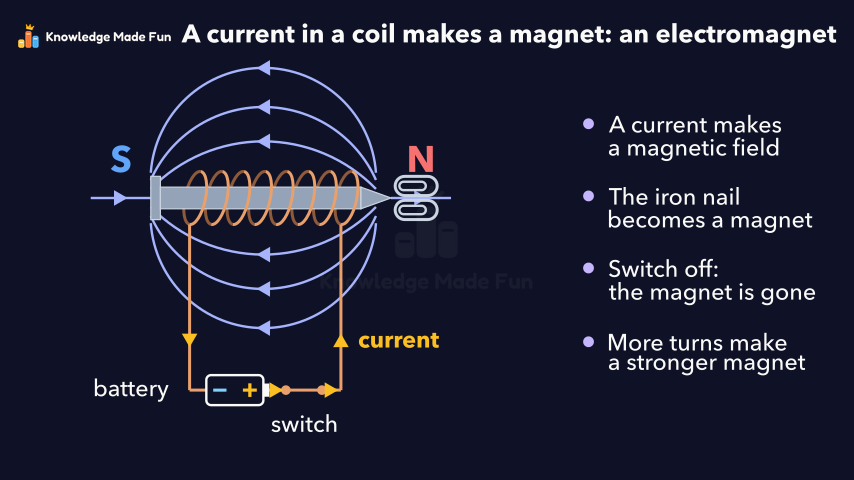 1 min 18 s
A current makes a magnet: the electromagnet
Grade 7 · 1 min 18 s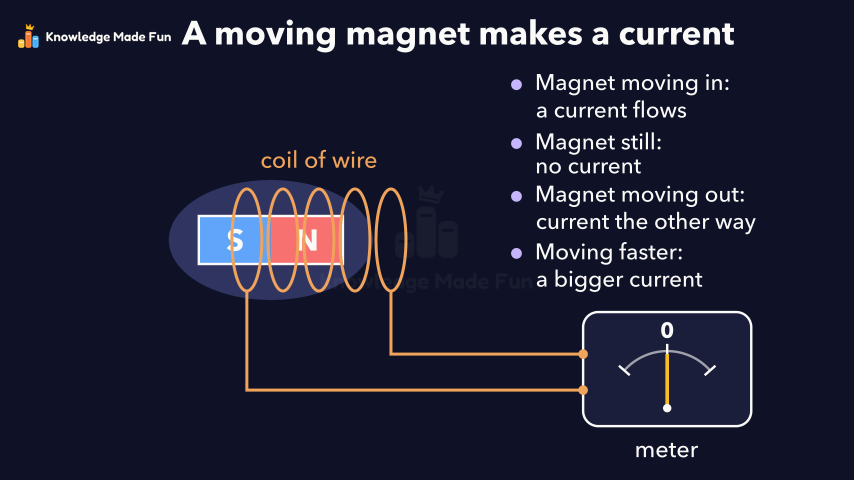 1 min 12 s
A Moving Magnet Makes a Current
Grade 7 · 1 min 12 s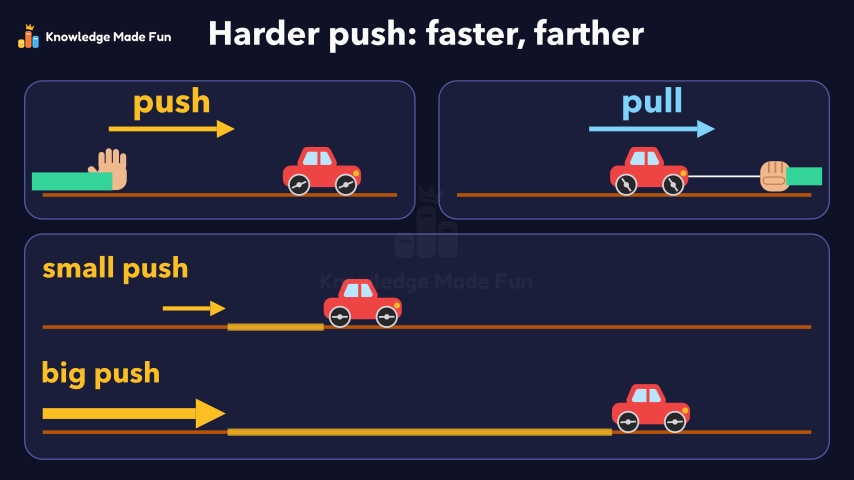 54 s
A Push or a Pull Makes Things Move
Kindergarten · 54 s 1 min 48 s
AC and DC: Two Ways Current Can Flow
Grade 9 · 1 min 48 s 1 min 3 s
Air Resistance: Why a Flat Sheet Falls Slower
Grade 2 · 1 min 3 s 1 min 40 s
Alpha, Beta and Gamma Radiation
Grade 10 · 1 min 40 s 1 min 6 s
Balanced and Unbalanced Forces in Sport and Play
Grade 6 · 1 min 6 s
- All Grade 10 Science lessons
- Create a free account to watch three lessons a day, no payment and no card.