Lesson · Grade 8 · Science
Helpful and Harmful Effects of Electromagnetic Radiation
- Grade 8
- Science
- 1 min 49 s
- British Columbia
- BC8-SC-30
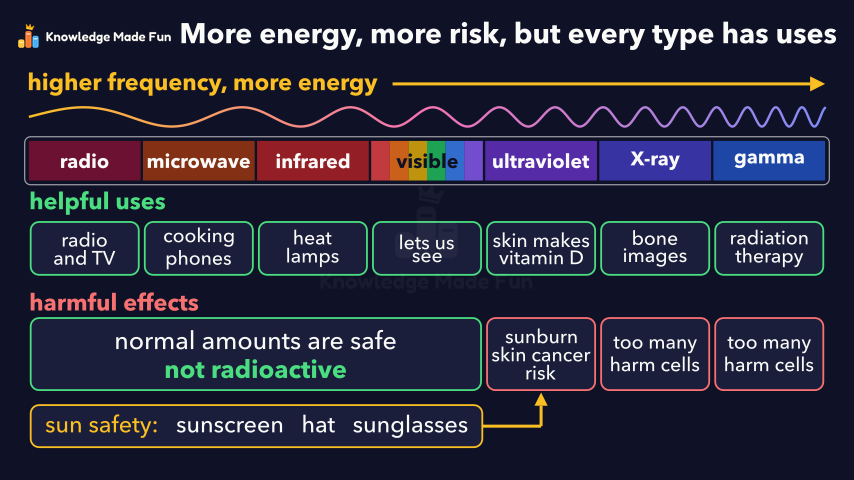
A wave whose frequency rises from left to right builds over the seven bands of the electromagnetic spectrum, showing that higher frequency carries more energy and so can do more damage: ultraviolet causes sunburn and raises skin cancer risk, and too many X-rays or gamma rays harm cells. A row of helpful uses then fills in under every band, from radio and TV to bone images and radiation therapy, and the video shows that not all radiation is dangerous or radioactive before closing on sun safety (sunscreen, a hat and sunglasses) and a one-line recap.
Anyone can watch two lessons on the website without an account. Signing in is free, no payment and no card, and opens three a day; Plus has no limit.
Loading
In one sentence
The question this lesson answers
Is all radiation dangerous, or can it help us?
Electromagnetic radiation is energy that travels as waves. Together, these waves make up the electromagnetic spectrum.
Transcript
What the lesson says
Is all radiation dangerous, or can it help us?
Electromagnetic radiation is energy that travels as waves. Together, these waves make up the electromagnetic spectrum.
In order, its types are radio waves, microwaves, infrared, visible light, ultraviolet, X-rays and gamma rays.
Frequency is how many waves pass a point each second. Higher frequency means more energy.
More energy means radiation can do more damage to living cells.
Ultraviolet from the Sun can burn skin and raise the risk of skin cancer.
Too many X-rays or gamma rays can harm cells in your body.
But X-ray images let doctors see bones inside the body.
In radiation therapy, rays such as gamma rays are aimed at cancer cells to destroy them.
Infrared heat lamps keep things warm, and microwaves cook food and carry phone signals.
Radio waves carry radio and TV signals, and visible light lets us see.
Even ultraviolet helps: small amounts let your skin make vitamin D.
So not all radiation is dangerous: normal amounts of the lower-energy waves are safe.
And radiation does not mean radioactive. Radioactive materials have unstable atoms, but these waves are just energy.
For sun safety, block ultraviolet with sunscreen, a hat and sunglasses.
Higher frequency means more energy and more risk, but every type has helpful uses.
Curriculum
Where this fits
- British Columbia, Grade 8
Science, Physics: types and effects of electromagnetic radiationBC8-SC-30
Previous: The electromagnetic spectrum: from radio waves to gamma raysNext: Light as a Wave: Wavelength, Frequency and Amplitude
The outcomes and strands follow the British Columbia curriculum.
Keep going
 1 min 51 s
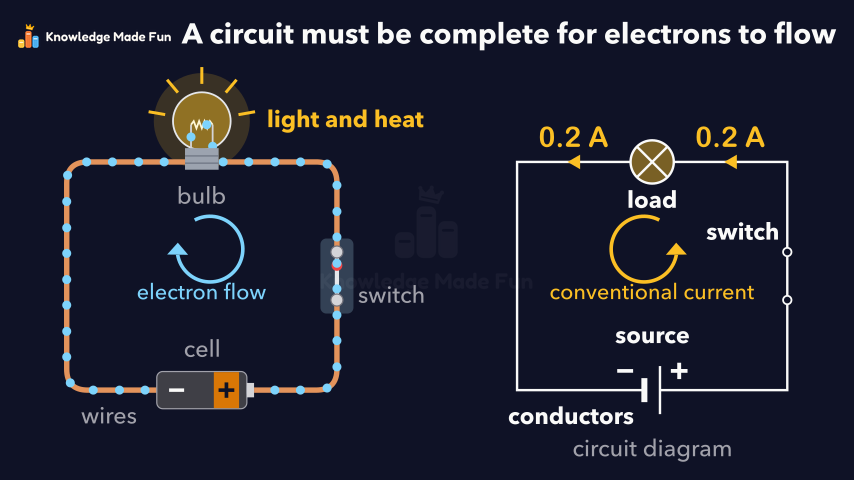
A Complete Circuit: Source, Load, Conductors and Switch
Grade 9 · 1 min 51 s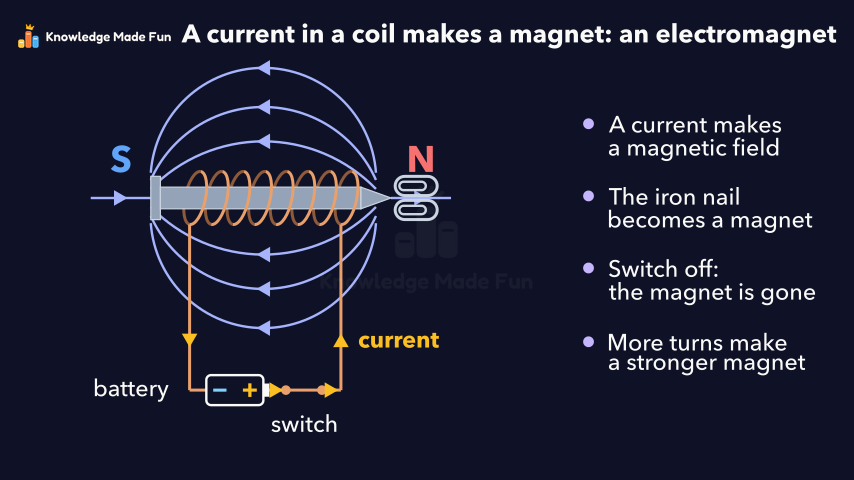 1 min 18 s
A current makes a magnet: the electromagnet
Grade 7 · 1 min 18 s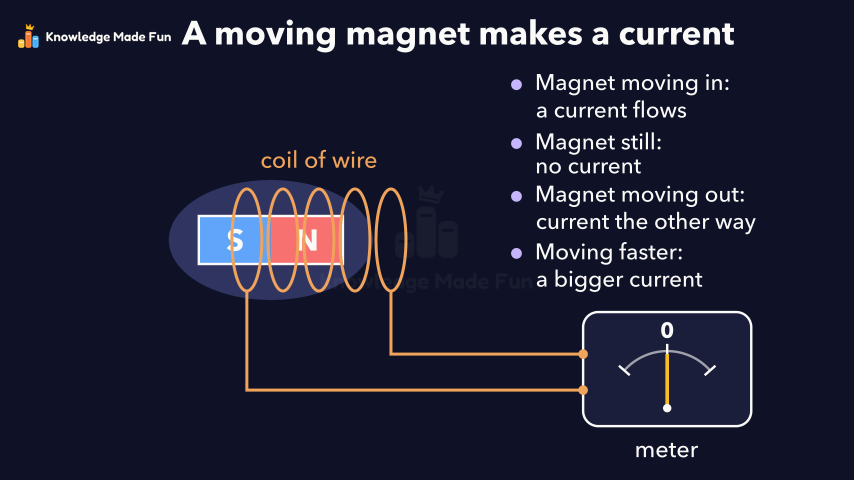 1 min 12 s
A Moving Magnet Makes a Current
Grade 7 · 1 min 12 s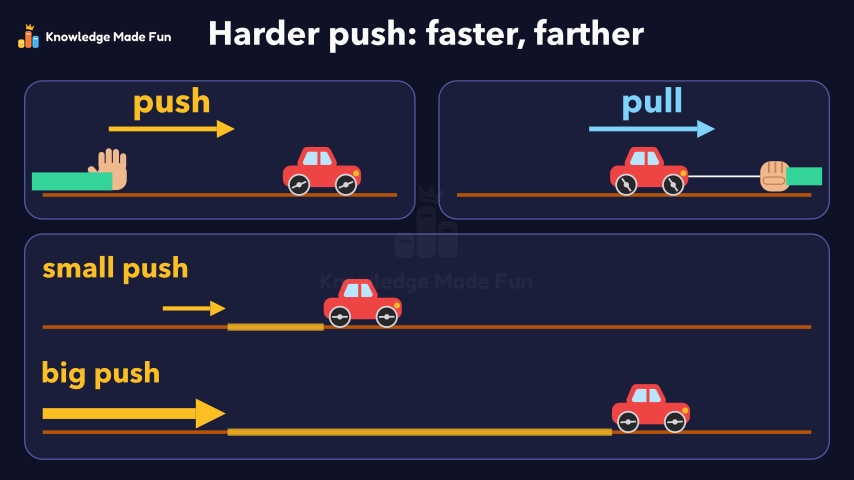 54 s
A Push or a Pull Makes Things Move
Kindergarten · 54 s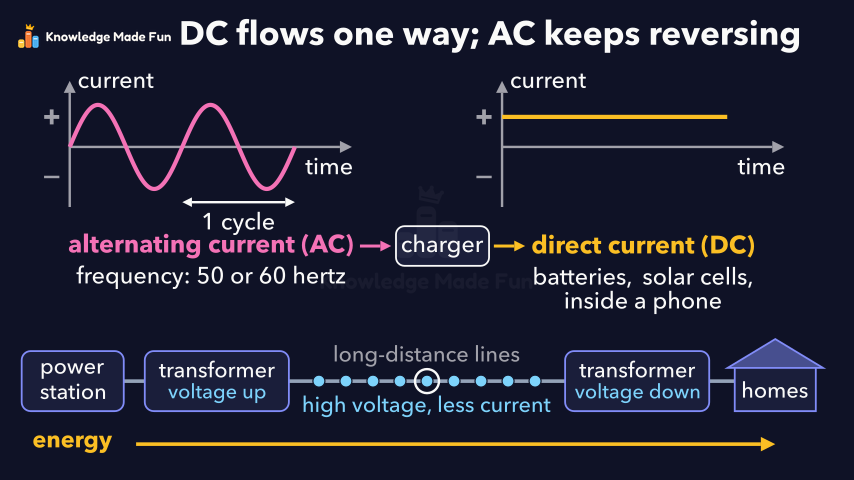 1 min 48 s
AC and DC: Two Ways Current Can Flow
Grade 9 · 1 min 48 s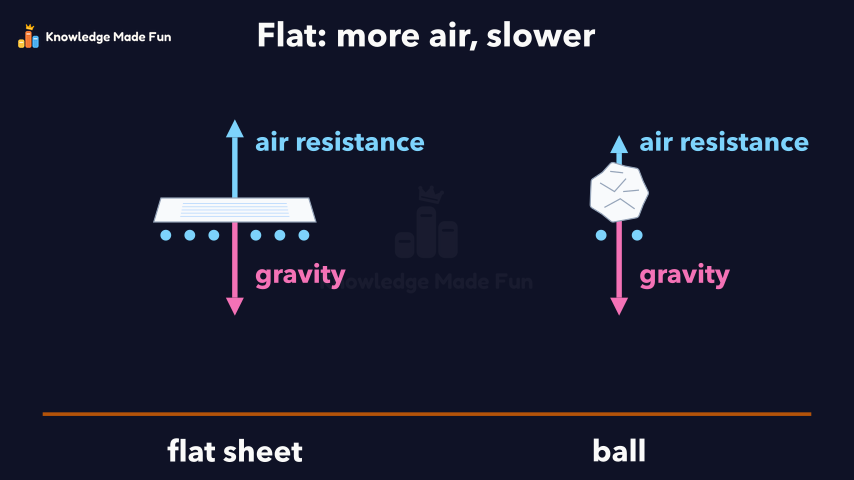 1 min 3 s
Air Resistance: Why a Flat Sheet Falls Slower
Grade 2 · 1 min 3 s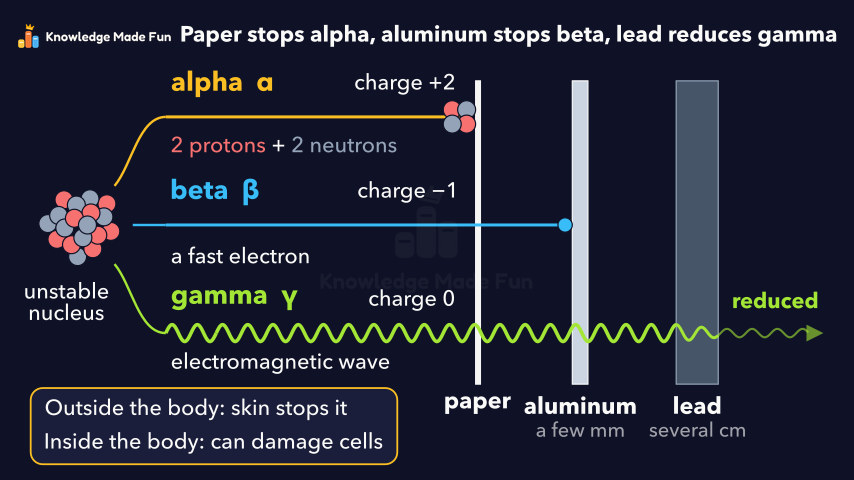 1 min 40 s
Alpha, Beta and Gamma Radiation
Grade 10 · 1 min 40 s 1 min 6 s
Balanced and Unbalanced Forces in Sport and Play
Grade 6 · 1 min 6 s
- All Grade 8 Science lessons
- Create a free account to watch three lessons a day, no payment and no card.