Lesson · Grade 1 · Science
Why the Sun seems to move: sunrise and sunset
- Grade 1
- Science
- 1 min 1 s
- British Columbia
- BC1-SC-14
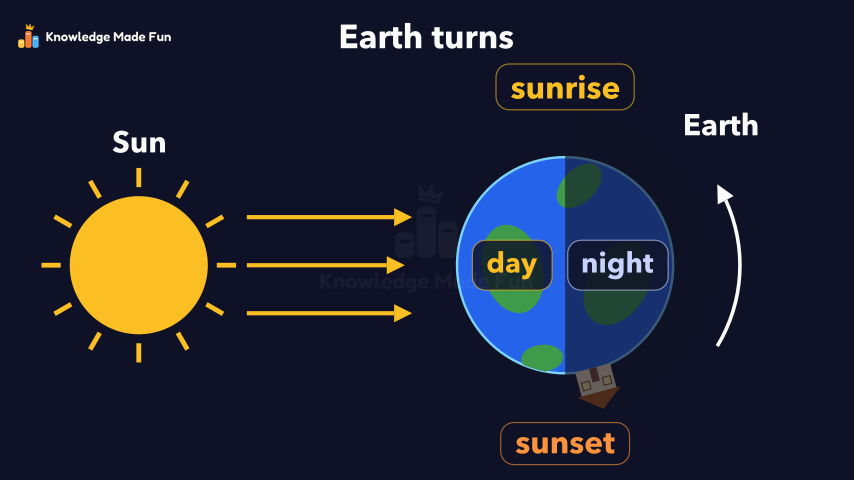
A house under the sky watches the Sun come up at sunrise, move across the sky and go down at sunset, and then night falls. The picture then pulls back to a turning Earth beside the Sun, showing that the side facing the Sun has day and that our home turns into the light at sunrise and away from it at sunset, once each day.
Concept: Day and night: sunrise and sunset
Anyone can watch two lessons on the website without an account. Signing in is free, no payment and no card, and opens three a day; Plus has no limit.
Loading
In one sentence
The question this lesson answers
Why does the Sun move across the sky?
In the morning, the Sun comes up at sunrise.
Transcript
What the lesson says
Why does the Sun move across the sky?
In the morning, the Sun comes up at sunrise.
Then it seems to move across the sky.
In the evening, the Sun goes down at sunset.
Then the sky gets dark, and it is night.
Here is the secret: our Earth turns!
The side facing the Sun has day.
The side facing away from the Sun has night.
Our home turns toward the Sun at sunrise.
Our home turns away from the Sun at sunset.
Earth turns all the way around once a day.
The Sun seems to move because Earth turns.
Curriculum
Where this fits
- British Columbia, Grade 1
Science, Earth science: common objects in the skyBC1-SC-14
The outcomes and strands follow the British Columbia curriculum.
Keep going
 1 min 43 s
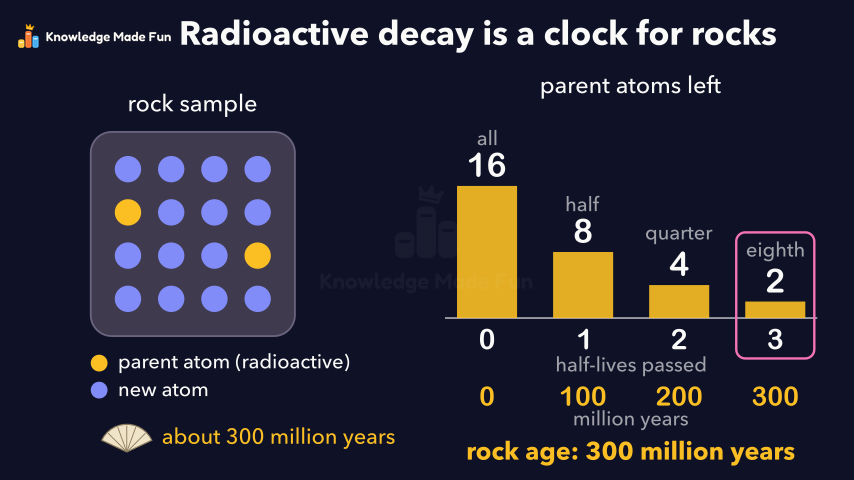
Absolute dating: radioactive decay is a clock for rocks
Grade 7 · 1 min 43 s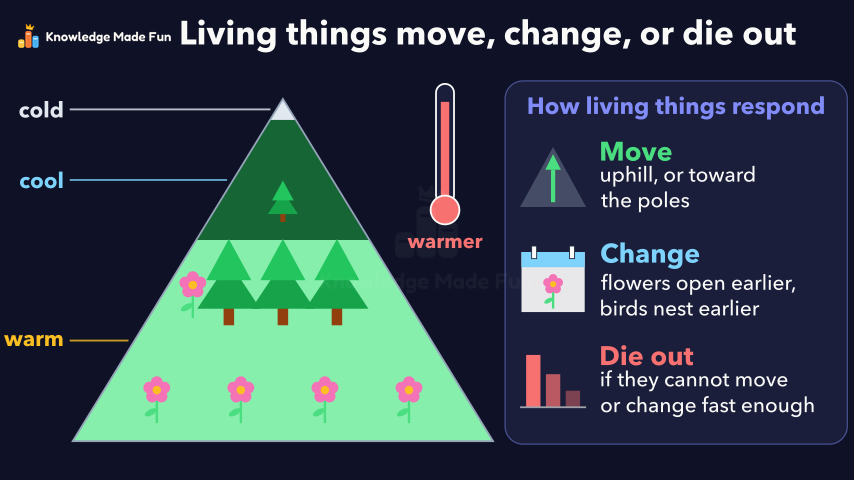 1 min 19 s
Climate Change and Living Things: Move, Change, or Die Out
Grade 7 · 1 min 19 s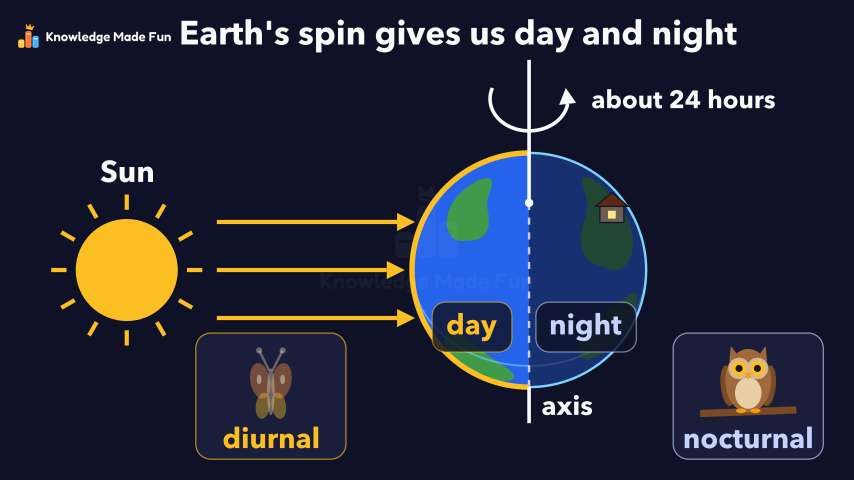 1 min 14 s
Day and Night: Earth Spins on Its Axis
Grade 4 · 1 min 14 s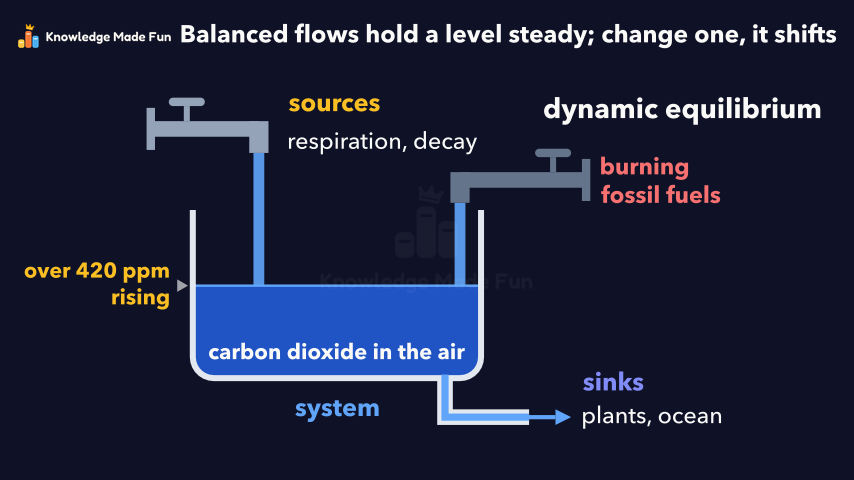 1 min 50 s
Dynamic equilibrium: balanced but always changing
Grade 9 · 1 min 50 s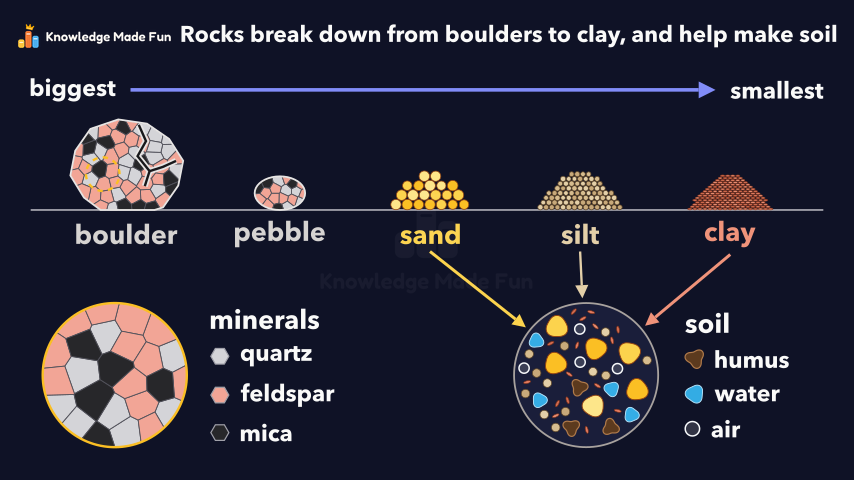 1 min 11 s
Earth Materials: From Boulders to Clay
Grade 5 · 1 min 11 s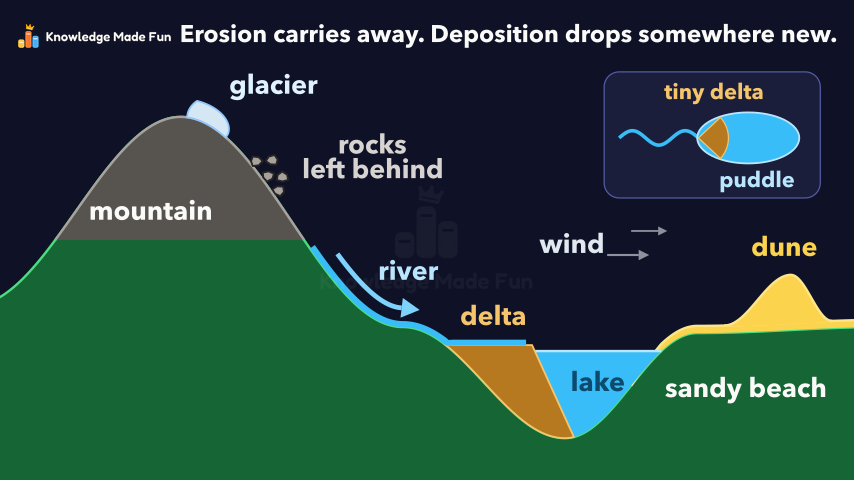 1 min 11 s
Erosion and Deposition: How Wind, Water and Ice Move Land
Grade 3 · 1 min 11 s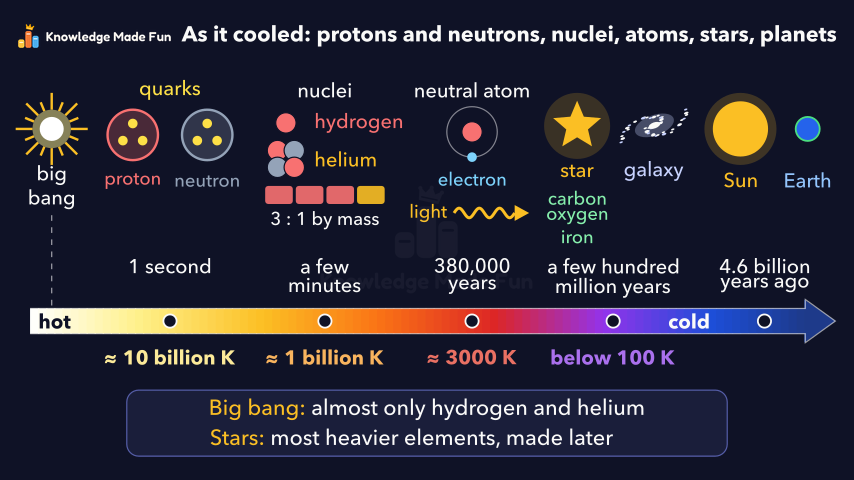 1 min 53 s
From quarks to galaxies: how the universe's matter formed
Grade 10 · 1 min 53 s 47 s
Hot, Warm, Cool and Cold: What Do We Wear?
Kindergarten · 47 s
- All Grade 1 Science lessons
- Create a free account to watch three lessons a day, no payment and no card.