Lesson · Grade 2 · Mathematics
How Many Beans? Estimating with a Handful
- Grade 2
- Mathematics
- 59 s
- British Columbia
- BC2-MA-05
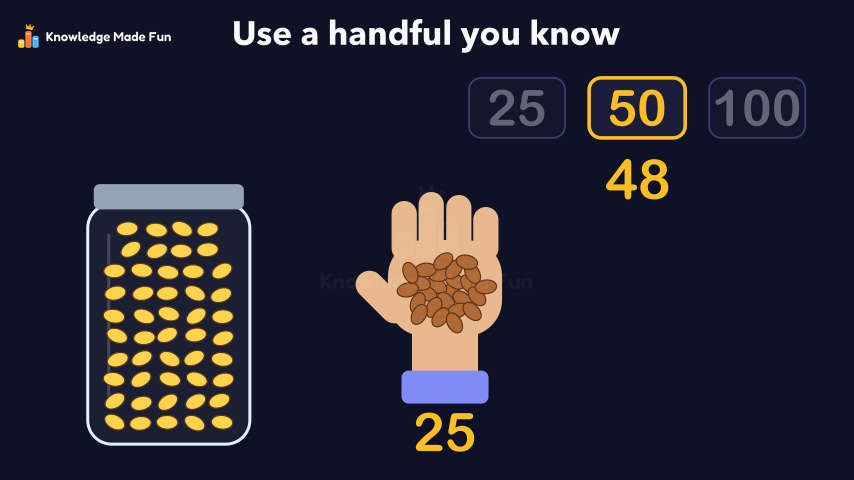
A jar of beans raises the question of whether it holds closer to 25, 50 or 100. One handful is counted in fives to 25, two handfuls fill the jar so 25 plus 25 makes an estimate of about 50, and counting every bean (48) shows that a handful you know helps you make a close estimate.
Concept: Estimating with 25, 50 and 100
Anyone can watch two lessons on the website without an account. Signing in is free, no payment and no card, and opens three a day; Plus has no limit.
Loading
In one sentence
The question this lesson answers
Here is a big jar of beans. How many beans are inside it?
Is it closer to 25, 50 or 100?
Transcript
What the lesson says
Here is a big jar of beans. How many beans are inside it?
Is it closer to 25, 50 or 100?
Here is one handful of beans.
Let's count them in fives: 5, 10, 15, 20, 25.
So one handful holds about 25 beans.
One handful fills about half the jar.
So about two handfuls fill the jar.
Add them: 25 plus 25 equals 50.
So our estimate is about 50 beans.
Now let's count every bean to check.
There are 48 beans in the jar. That is very close to 50.
Use a handful you know to estimate.
Curriculum
Where this fits
- British Columbia, Grade 2
Mathematics, Number: benchmarks of 25, 50, and 100 and personal referentsBC2-MA-05
Previous: Even and Odd Numbers: Can Every Sock Find a Partner?Next: Making 10 to add: 8 + 5
The outcomes and strands follow the British Columbia curriculum.
Keep going
 1 min 26 s
15.2 − 7.85
Grade 4 · 1 min 26 s 1 min 37 s
2.4 × 1.3
Grade 7 · 1 min 37 s 1 min 4 s
3 × 7 = 7 × 3: Equal Groups, Skip Counting and Arrays
Grade 4 · 1 min 4 s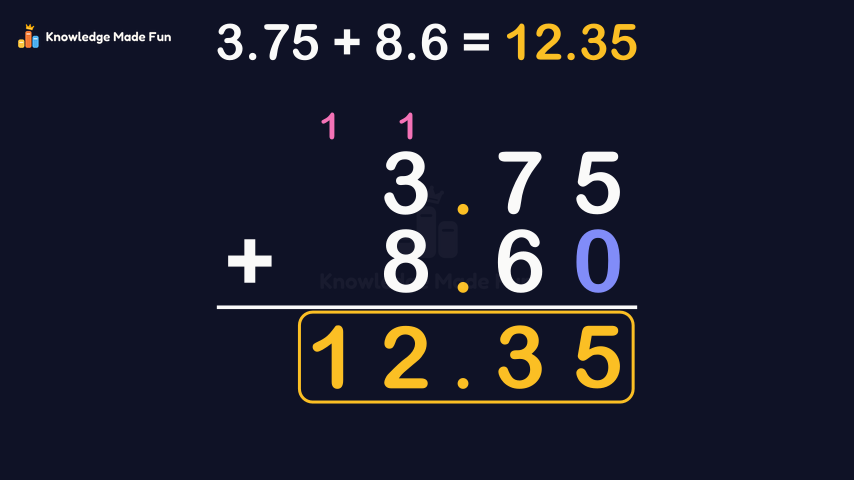 59 s
3.75 + 8.6
Grade 4 · 59 s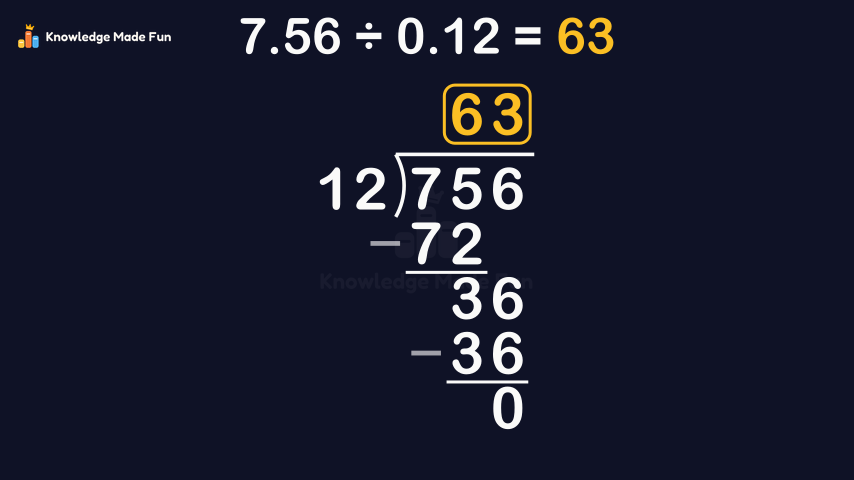 1 min 32 s
7.56 ÷ 0.12
Grade 7 · 1 min 32 s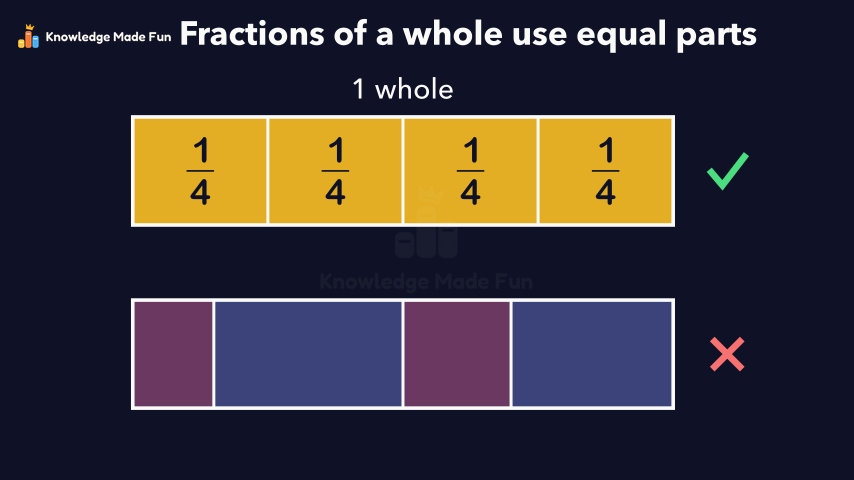 56 s
A Fraction Is Equal Parts of One Whole
Grade 3 · 56 s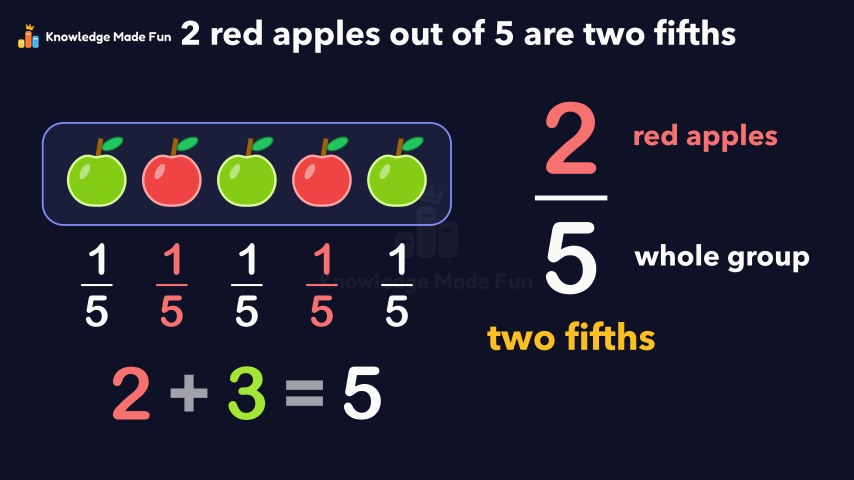 57 s
A Fraction of a Group
Grade 3 · 57 s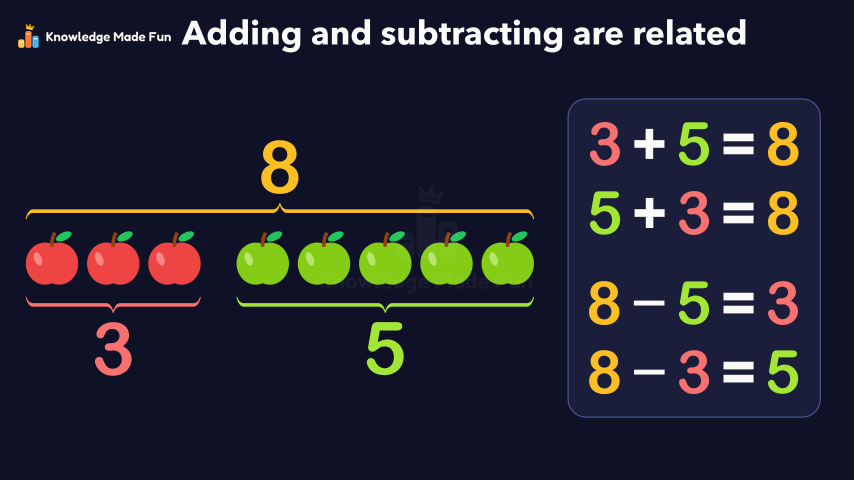 1 min 23 s
Adding and subtracting are related
Grade 1 · 1 min 23 s
- All Grade 2 Mathematics lessons
- Teachers: the maths worksheets for Grade 2 are in the dashboard, each with a worked example and a proven answer key.
- Try the graph paper, free for everyone, no account needed.
- Create a free account to watch three lessons a day, no payment and no card.