Lesson · Grade 5 · Mathematics
Comparing and Ordering Numbers to a Million
- Grade 5
- Mathematics
- 1 min 40 s
- British Columbia
- BC5-MA-02
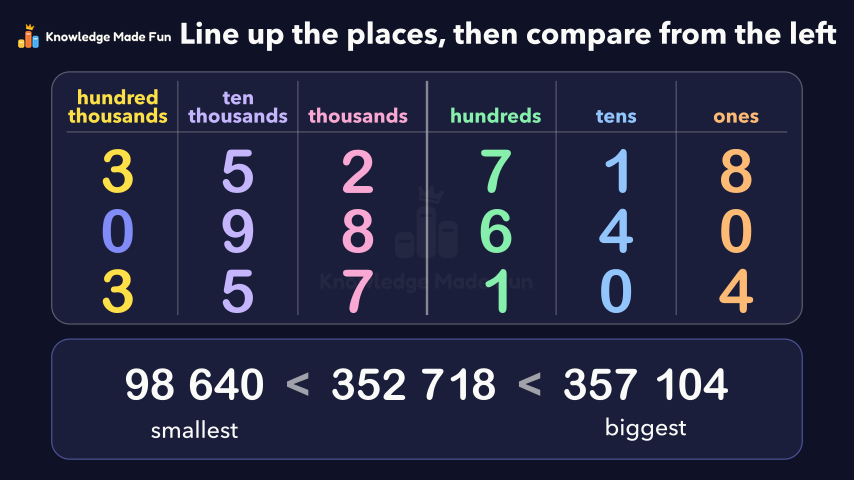
Three numbers, 352 718, 98 640 and 357 104, go into a place value chart with the ones lined up on the right, and the digits are compared from the left. 98 640 has 0 hundred thousands, so it is the smallest even though it starts with a 9; the other two match until the thousands, where 2 is less than 7, giving 98 640 < 352 718 < 357 104.
Anyone can watch two lessons on the website without an account. Signing in is free, no payment and no card, and opens three a day; Plus has no limit.
Loading
In one sentence
The question this lesson answers
Let's put 352,718, 98,640 and 357,104 in order, from smallest to biggest.
Write them in a place value chart, with the ones lined up on the right.
Transcript
What the lesson says
Let's put 352,718, 98,640 and 357,104 in order, from smallest to biggest.
Write them in a place value chart, with the ones lined up on the right.
98,640 has no hundred thousands, so that place is 0.
Compare the digits from the left, starting with the hundred thousands.
0 hundred thousands is less than 3 hundred thousands.
So 98,640 is the smallest.
Even with 9 ten thousands, 98,640 is less than 100,000.
352,718 and 357,104 both have 3 hundred thousands.
They both have 5 ten thousands as well.
Next, the thousands. 2 thousands is less than 7 thousands.
So 352,718 is less than 357,104.
The thousands decide it, so there is no need to check the other places.
From smallest to biggest, the order is 98,640, then 352,718, then 357,104.
Line up the places, then compare the digits from the left.
Curriculum
Where this fits
- British Columbia, Grade 5
Mathematics, Number: number concepts to 1 000 000BC5-MA-02
Previous: Place Value to a Million: What Each Digit Is WorthNext: Rounding big numbers to estimate
The outcomes and strands follow the British Columbia curriculum.
Keep going
 1 min 26 s
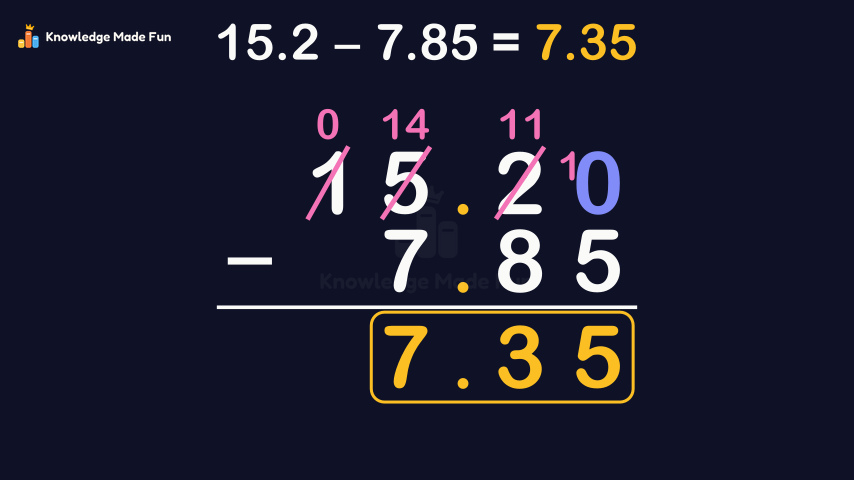
15.2 − 7.85
Grade 4 · 1 min 26 s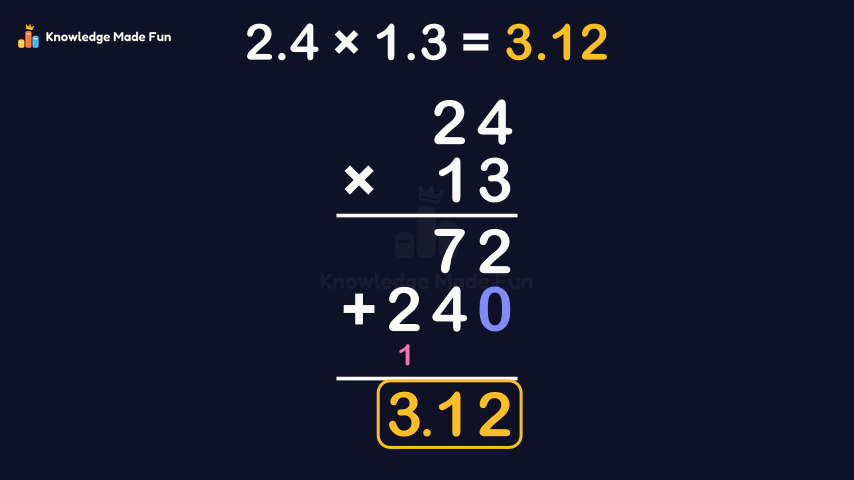 1 min 37 s
2.4 × 1.3
Grade 7 · 1 min 37 s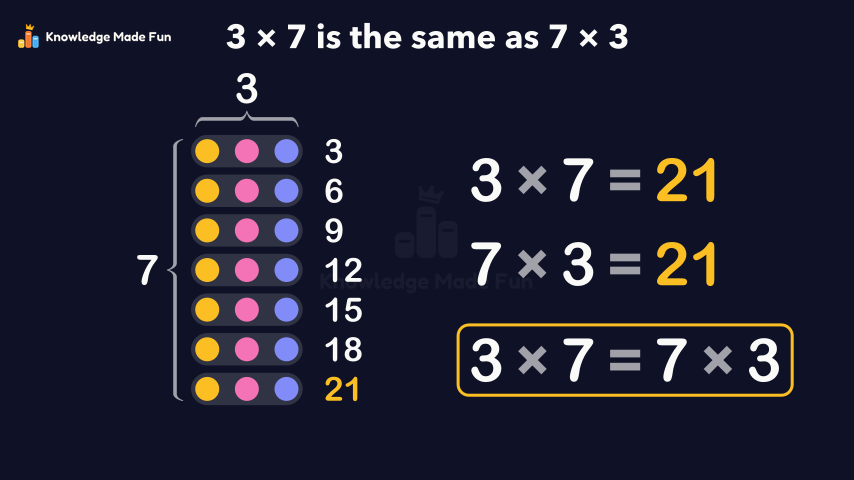 1 min 4 s
3 × 7 = 7 × 3: Equal Groups, Skip Counting and Arrays
Grade 4 · 1 min 4 s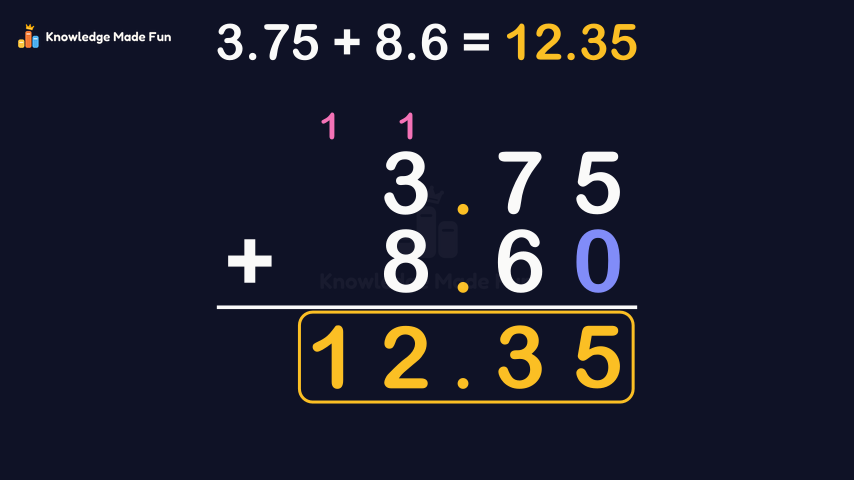 59 s
3.75 + 8.6
Grade 4 · 59 s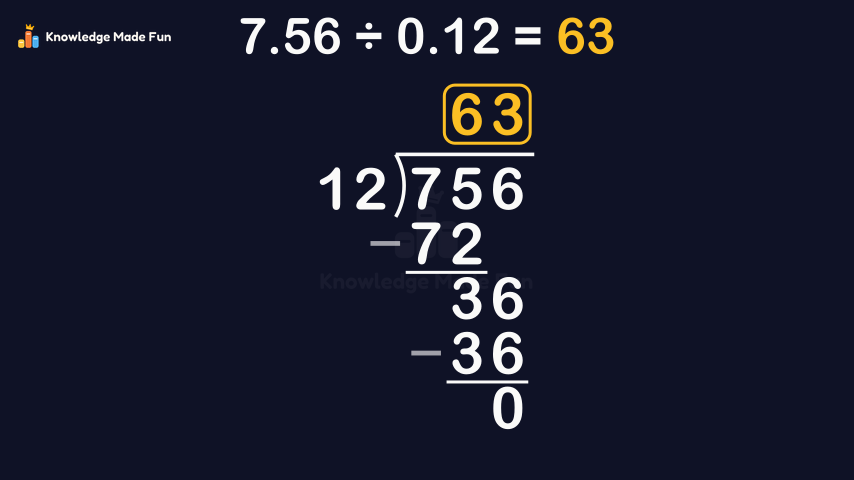 1 min 32 s
7.56 ÷ 0.12
Grade 7 · 1 min 32 s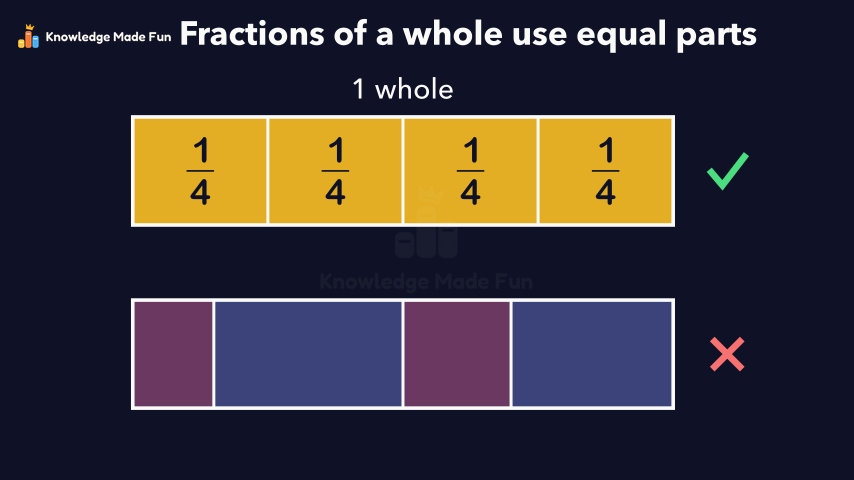 56 s
A Fraction Is Equal Parts of One Whole
Grade 3 · 56 s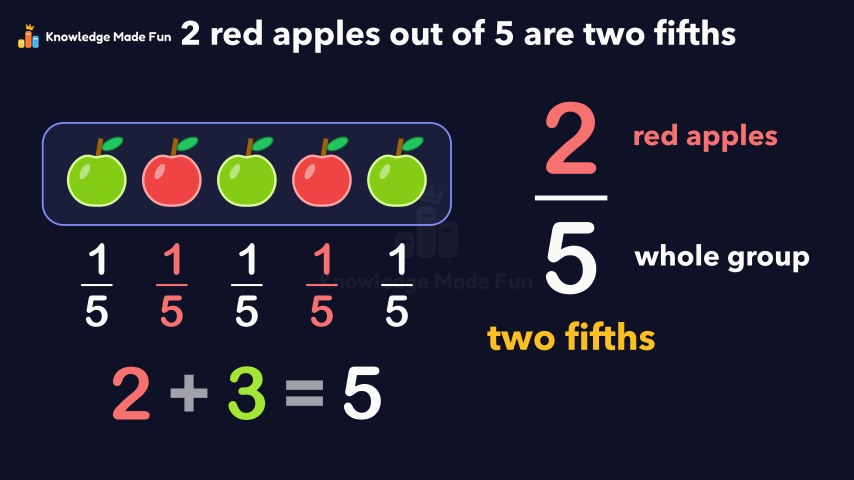 57 s
A Fraction of a Group
Grade 3 · 57 s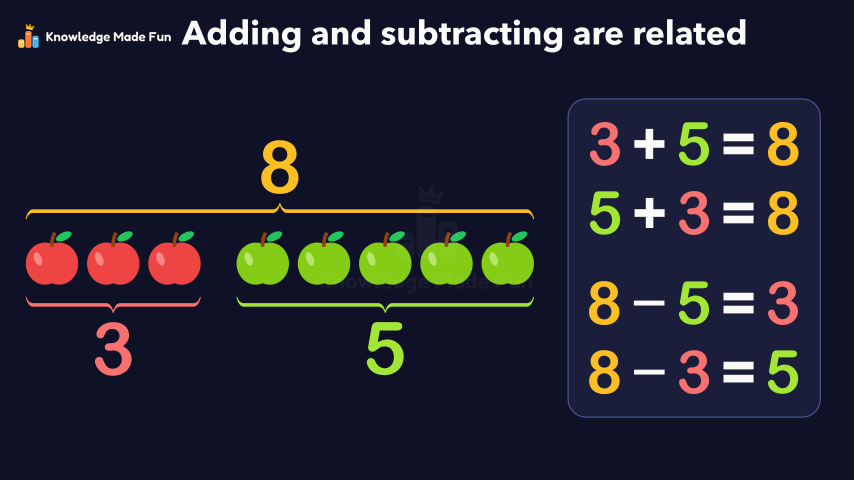 1 min 23 s
Adding and subtracting are related
Grade 1 · 1 min 23 s
- All Grade 5 Mathematics lessons
- Teachers: the maths worksheets for Grade 5 are in the dashboard, each with a worked example and a proven answer key.
- Try the graph paper, free for everyone, no account needed.
- Create a free account to watch three lessons a day, no payment and no card.