Lesson · Grade 3 · English Language Arts
Revising and Editing: What Is the Difference?
- Grade 3
- English Language Arts
- 1 min 18 s
- British Columbia
- BC3-EN-14
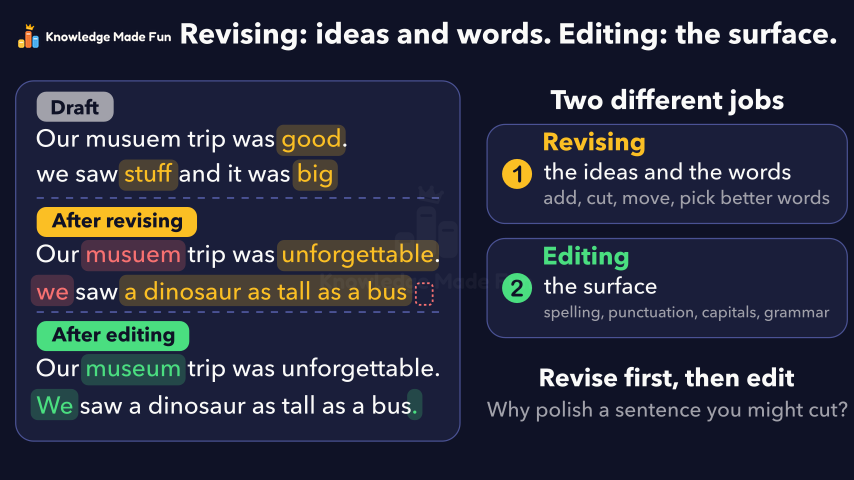
A two-line draft about a museum trip is revised first, swapping the vague words good, stuff and big for an unforgettable trip and a dinosaur as tall as a bus, while a spelling mistake, a small letter and a missing period are deliberately left behind. Editing then fixes exactly those three surface errors, two boxes on the right name what each job changes, and the video ends on the rule to revise first and edit second.
Concept: Revising and editing: the difference
Anyone can watch two lessons on the website without an account. Signing in is free, no payment and no card, and opens three a day; Plus has no limit.
Loading
In one sentence
The question this lesson answers
Revising and editing: what is the difference?
Here is a first draft about a school trip.
Transcript
What the lesson says
Revising and editing: what is the difference?
Here is a first draft about a school trip.
Making a draft better takes two different jobs: revising, then editing.
Revising means changing the ideas and the words, so the writing says what you mean.
Good, stuff and big are vague words, so the reader cannot picture anything.
After revising, the trip is unforgettable, and the reader can see a dinosaur as tall as a bus.
The spelling mistake, the small letter and the missing period are still there, because revising does not touch them.
Editing fixes the surface: spelling, punctuation, capitals and grammar.
Museum is spelled correctly, we gets a capital W, and the sentence ends with a period.
Now the writing is both clear and correct.
Revise first, then edit, because there is no point polishing a sentence you might cut.
Revising changes the ideas and the words, and editing fixes the surface, so revise first, then edit.
Curriculum
Where this fits
- British Columbia, Grade 3
English Language Arts, Strategies and processes: writing processesBC3-EN-14
- British Columbia, Grade 4
English Language Arts, Strategies and processes: writing processesBC4-EN-16
- British Columbia, Grade 5
English Language Arts, Strategies and processes: writing processesBC5-EN-17
Previous: Summarizing: Keep What Matters MostNext: Writing for Your Audience
- British Columbia, Grade 6
English Language Arts, Strategies and processes: writing processesBC6-EN-17
Previous: Summarizing: Keep What Matters MostNext: Writing for Your Audience
- British Columbia, Grade 7
English Language Arts, Strategies and processes: writing processesBC7-EN-17
Previous: Summarizing: Keep What Matters MostNext: Writing for Your Audience
This lesson is also listed in Grade 4, Grade 5, Grade 6 and Grade 7.
The outcomes and strands follow the British Columbia curriculum.
Keep going
 54 s
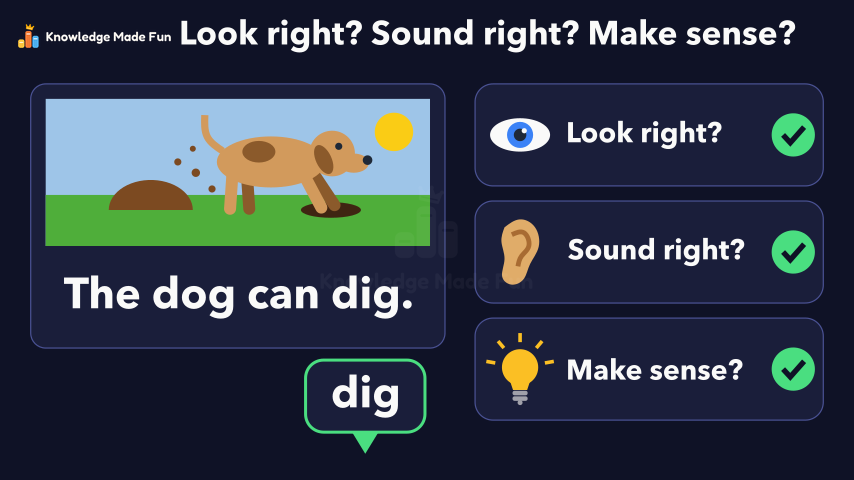
Check Your Reading: Look Right, Sound Right, Make Sense
Grade 1 · 54 s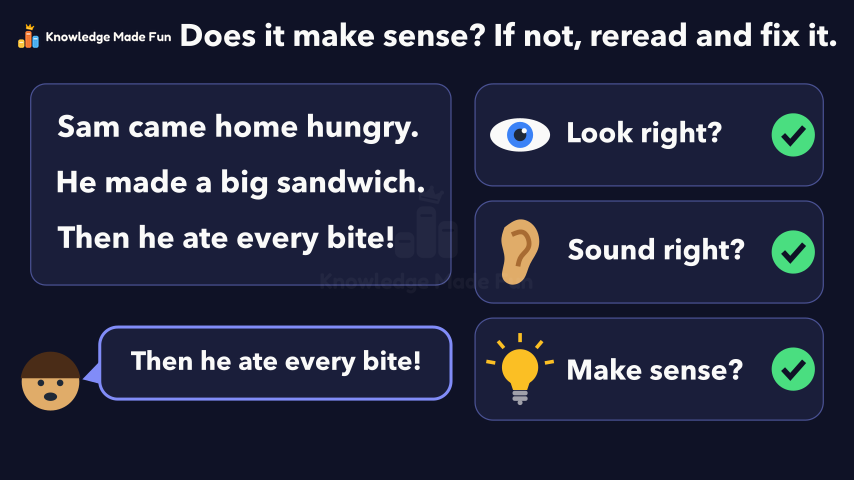 1 min 12 s
Does It Make Sense? Checking as You Read
Grade 3 · 1 min 12 s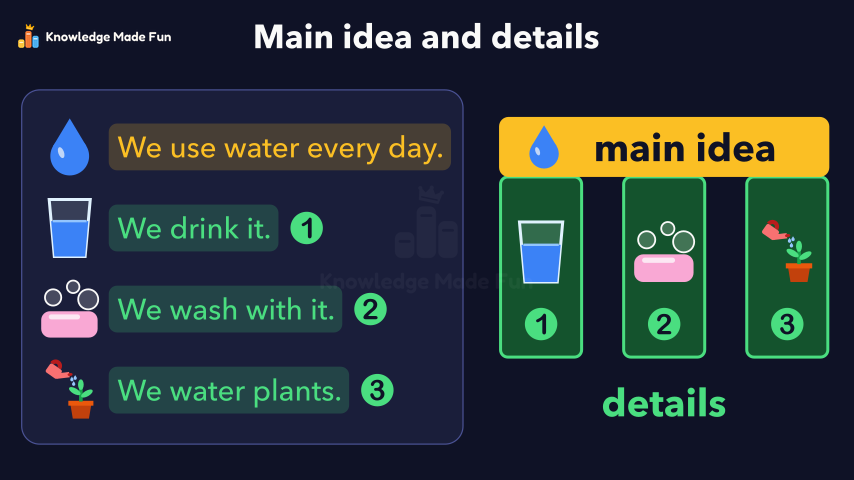 47 s
Main Idea and Details
Grade 2 · 47 s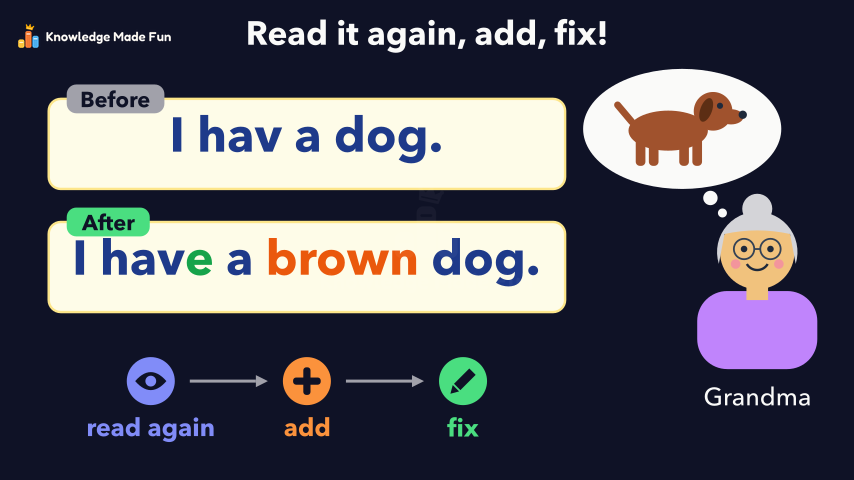 50 s
Make Your Writing Better: Read It Again, Add, Fix
Grade 1 · 50 s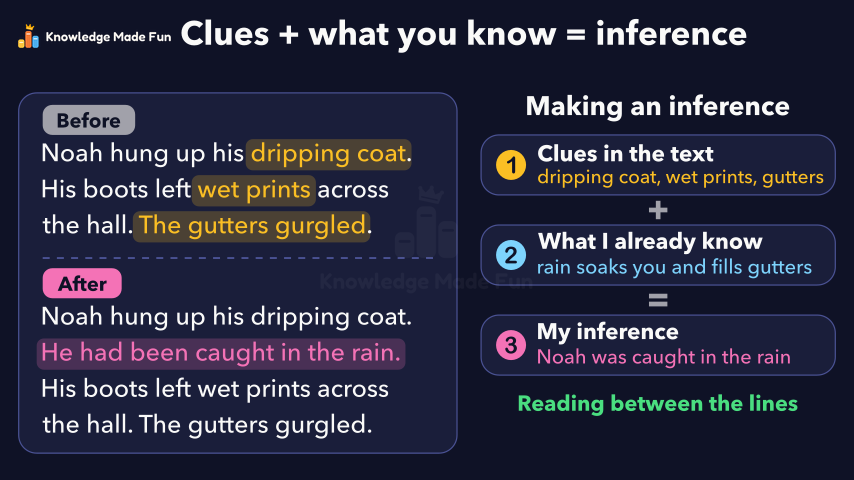 1 min 4 s
Making an Inference: Reading Between the Lines
Grade 4 · 1 min 4 s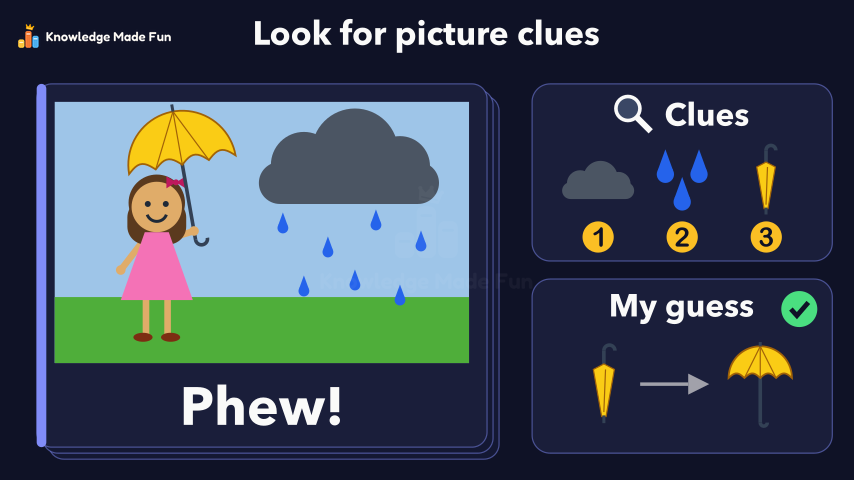 55 s
Picture Clues: What Happens Next?
Kindergarten · 55 s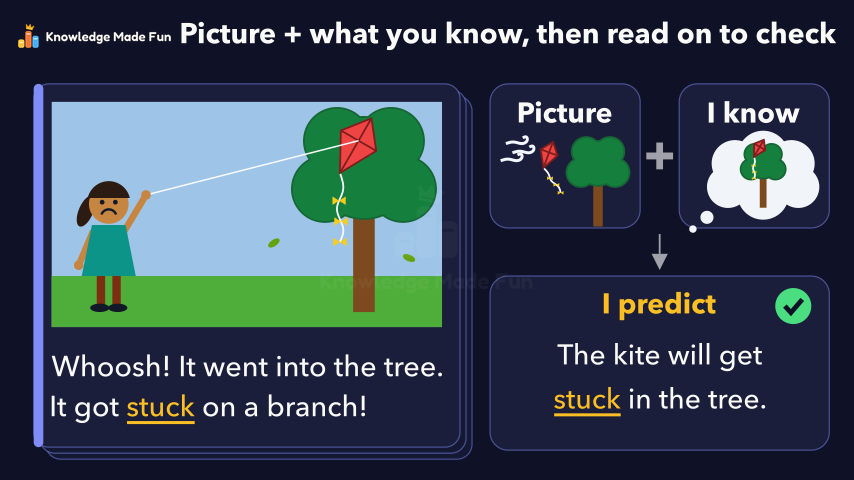 53 s
Predict, Then Read On: Mia's Kite
Grade 3 · 53 s 48 s
Predicting what will happen
Grade 2 · 48 s
- All Grade 3 English Language Arts lessons
- Create a free account to watch three lessons a day, no payment and no card.