Lesson · Grade 7 · Science
Solar power: how a solar panel turns sunlight into electricity
- Grade 7
- Science
- 1 min 16 s
- British Columbia
- BC7-SC-28
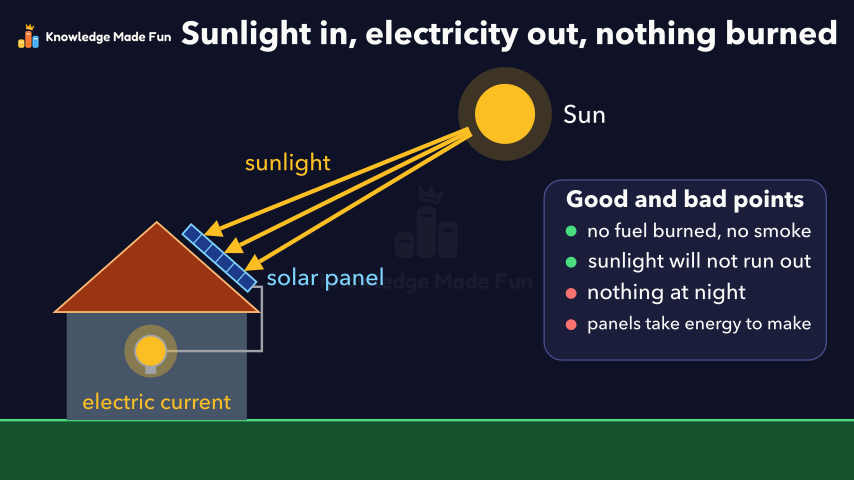
A house with a panel on its roof builds up step by step: sunlight arrives from the Sun, a close-up in the working panel shows the two silicon layers of one cell, light knocking electrons loose, and the electrons flowing round a wire as a current that lights a lamp in the house. The video then weighs the impacts (nothing burned, sunlight that will not run out, nothing at night so batteries or the grid fill in, and the energy it takes to make panels) and ends on the recap "Sunlight in, electricity out, nothing burned". The new file is scenes/lib_sci_solar_power.py with 15 spoken lines; the draft renders without errors at about 65 seconds.
Concept: Solar power
Anyone can watch two lessons on the website without an account. Signing in is free, no payment and no card, and opens three a day; Plus has no limit.
Loading
In one sentence
The question this lesson answers
How does a solar panel turn sunlight into electricity?
Light from the Sun carries energy.
Transcript
What the lesson says
How does a solar panel turn sunlight into electricity?
Light from the Sun carries energy.
A solar panel on the roof catches that light.
The panel is made of many small solar cells.
Each cell has two thin layers of a material called silicon.
When light hits the silicon, it knocks some electrons loose.
The loose electrons flow out through a wire and round to the other layer.
A flow of electrons is an electric current.
The current can light a lamp or power a home.
Nothing is burned, so there is no smoke and no carbon dioxide.
Sunlight is free and will not run out, so solar power is renewable.
But at night, or under thick cloud, a panel makes little or no electricity.
Homes then use batteries, or electricity from the grid.
Making the panels also uses energy and materials.
Solar panels turn sunlight straight into electricity, with no fuel burned.
Curriculum
Where this fits
- British Columbia, Grade 7
Science, Physics: electricity is generated in different ways with different environmental impactsBC7-SC-28
Previous: Wind power: how moving air becomes electricityNext: Coal Power: From Burning Coal to Electricity
The outcomes and strands follow the British Columbia curriculum.
Keep going
 1 min 51 s
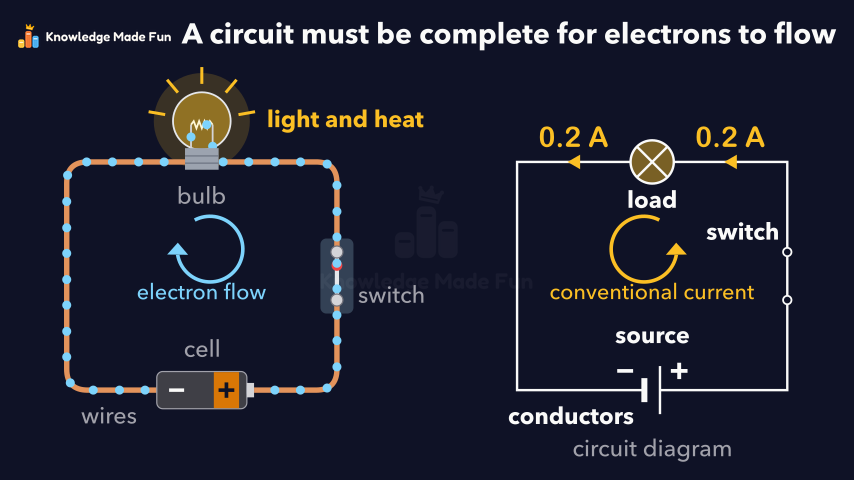
A Complete Circuit: Source, Load, Conductors and Switch
Grade 9 · 1 min 51 s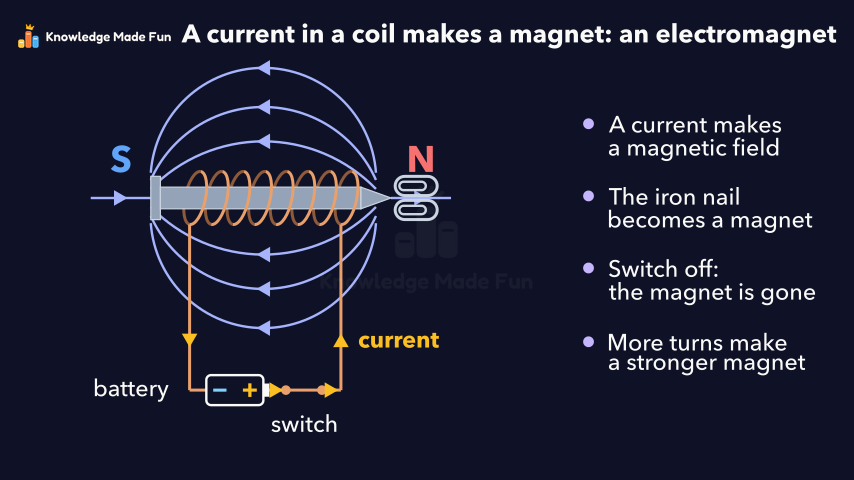 1 min 18 s
A current makes a magnet: the electromagnet
Grade 7 · 1 min 18 s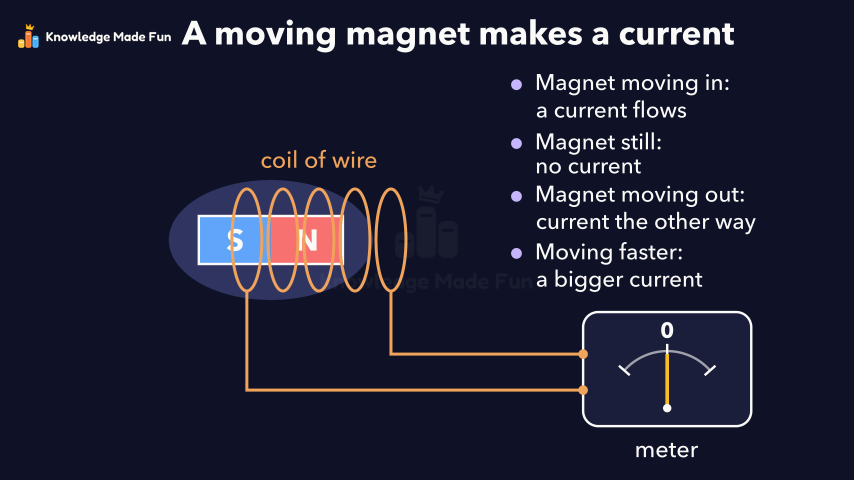 1 min 12 s
A Moving Magnet Makes a Current
Grade 7 · 1 min 12 s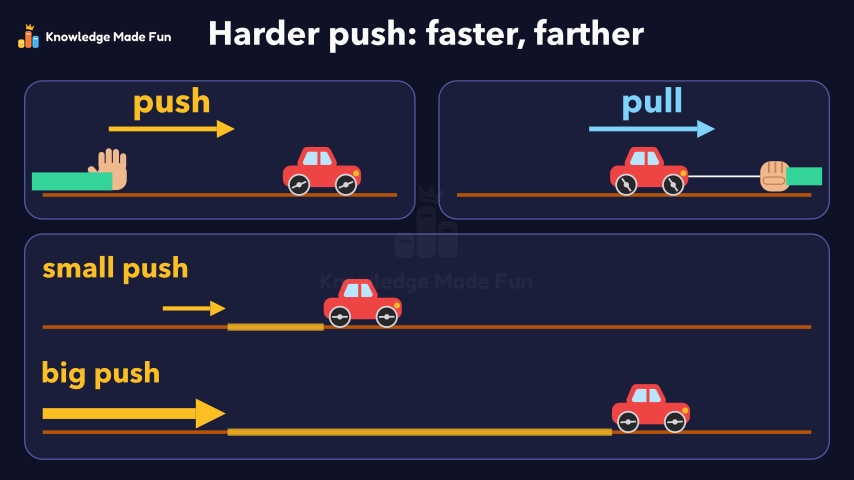 54 s
A Push or a Pull Makes Things Move
Kindergarten · 54 s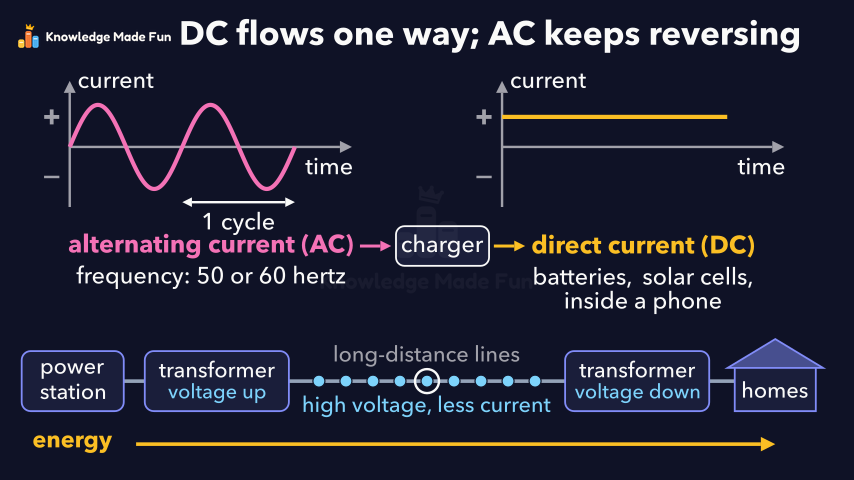 1 min 48 s
AC and DC: Two Ways Current Can Flow
Grade 9 · 1 min 48 s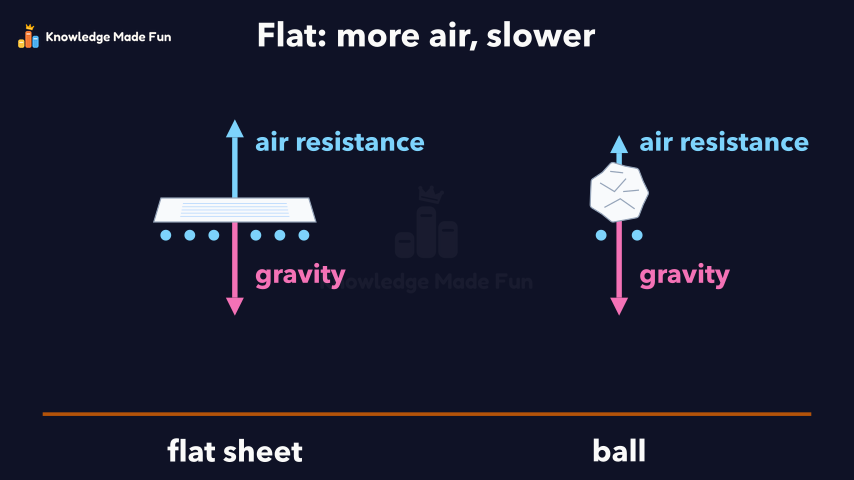 1 min 3 s
Air Resistance: Why a Flat Sheet Falls Slower
Grade 2 · 1 min 3 s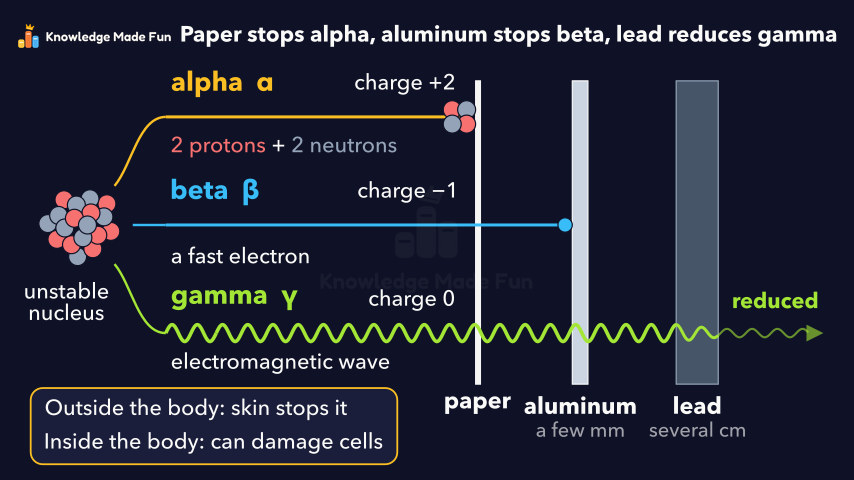 1 min 40 s
Alpha, Beta and Gamma Radiation
Grade 10 · 1 min 40 s 1 min 6 s
Balanced and Unbalanced Forces in Sport and Play
Grade 6 · 1 min 6 s
- All Grade 7 Science lessons
- Create a free account to watch three lessons a day, no payment and no card.