Lesson · Grade 2 · Science
Sliding on Ice, Carpet and Sand
- Grade 2
- Science
- 1 min 1 s
- British Columbia
- BC2-SC-11
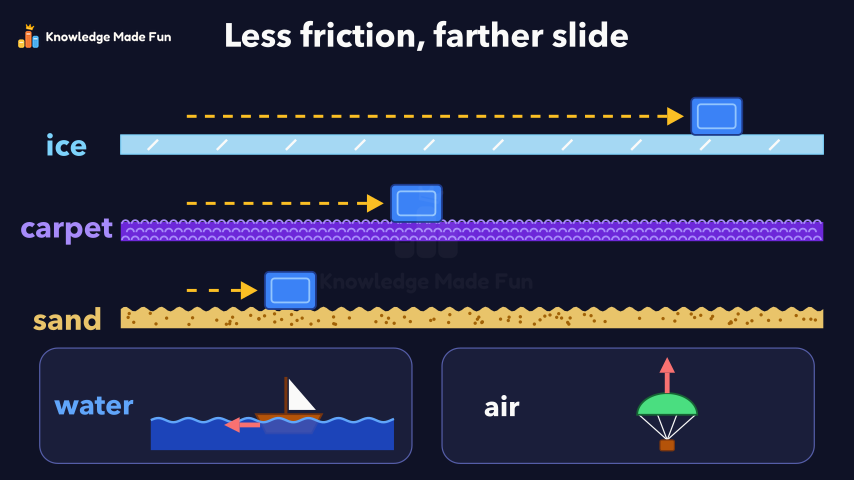
Three toy blocks on ice, carpet and sand each get the same push, and the picture pauses mid-slide to show friction as an arrow pointing back: small on smooth ice, big on rough sand. The blocks then slide on and stop, farthest on ice and soonest on sand, a boat and a toy parachute show that water and air slow moving things too, and it ends on "Less friction means a block slides farther."
Anyone can watch two lessons on the website without an account. Signing in is free, no payment and no card, and opens three a day; Plus has no limit.
Loading
In one sentence
The question this lesson answers
Which block will slide the farthest?
This block sits on smooth, slippery ice.
Transcript
What the lesson says
Which block will slide the farthest?
This block sits on smooth, slippery ice.
This one sits on soft, fuzzy carpet.
This one sits on rough, bumpy sand.
We give each block the same push.
As they slide, the ground rubs each block.
This rubbing is friction. It slows the block down.
Rough, bumpy sand has the most friction.
Smooth, slippery ice has the least friction.
Now let's see where each block stops.
On ice, the block slides the farthest!
On sand, the block stops the soonest.
Water and air slow moving things down too.
Less friction means a block slides farther.
Curriculum
Where this fits
The outcomes and strands follow the British Columbia curriculum.
Keep going
 1 min 51 s
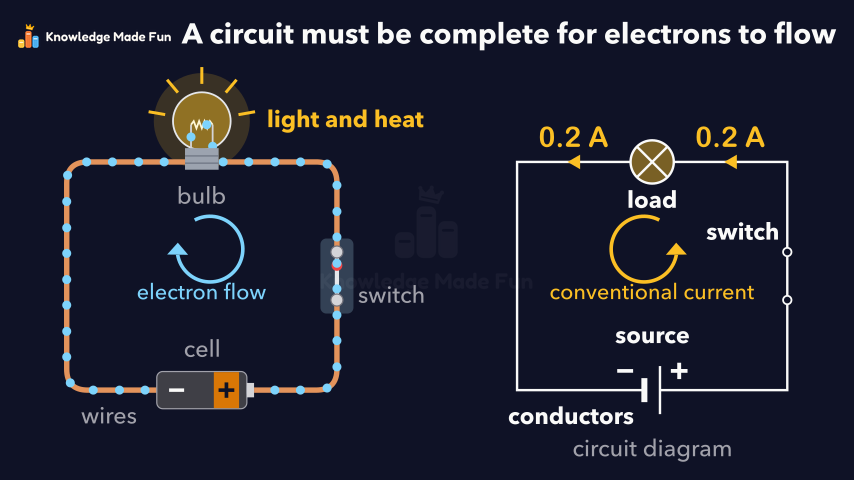
A Complete Circuit: Source, Load, Conductors and Switch
Grade 9 · 1 min 51 s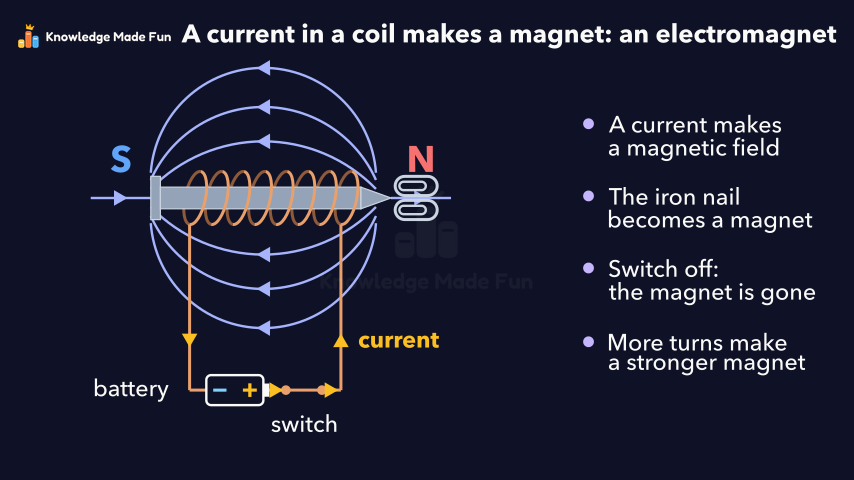 1 min 18 s
A current makes a magnet: the electromagnet
Grade 7 · 1 min 18 s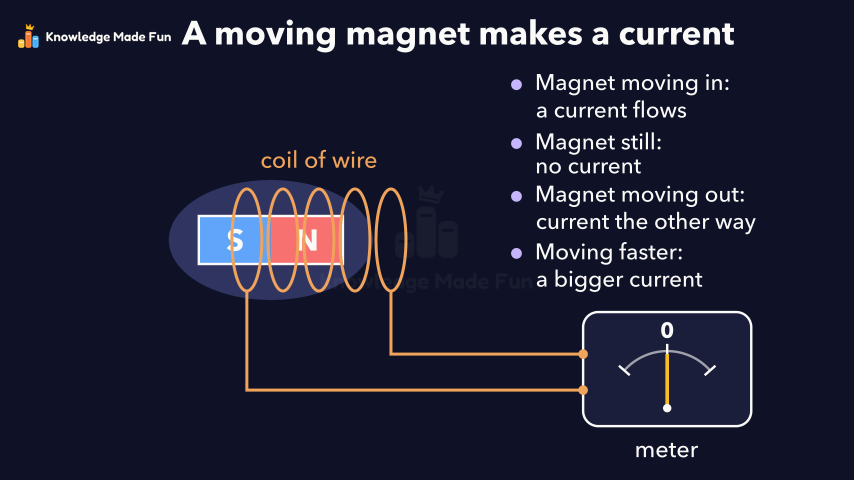 1 min 12 s
A Moving Magnet Makes a Current
Grade 7 · 1 min 12 s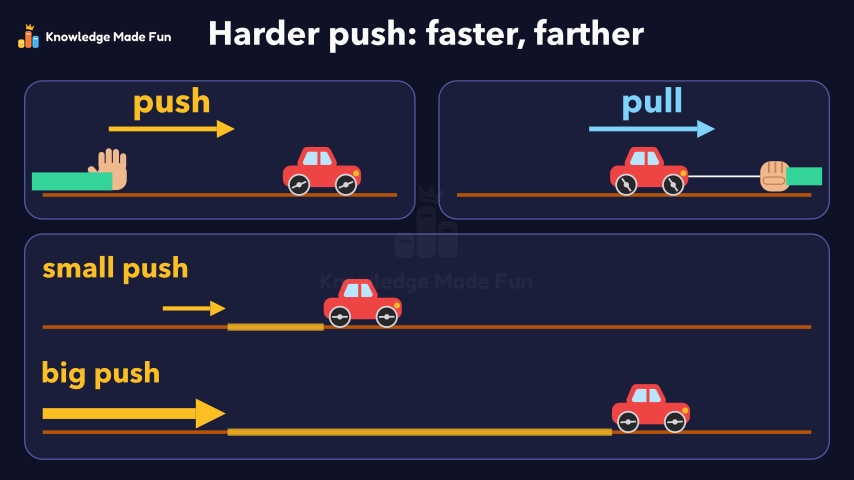 54 s
A Push or a Pull Makes Things Move
Kindergarten · 54 s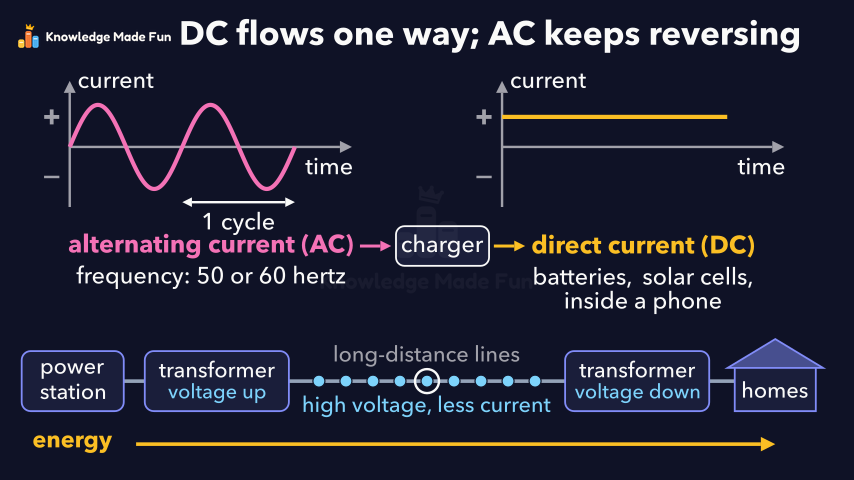 1 min 48 s
AC and DC: Two Ways Current Can Flow
Grade 9 · 1 min 48 s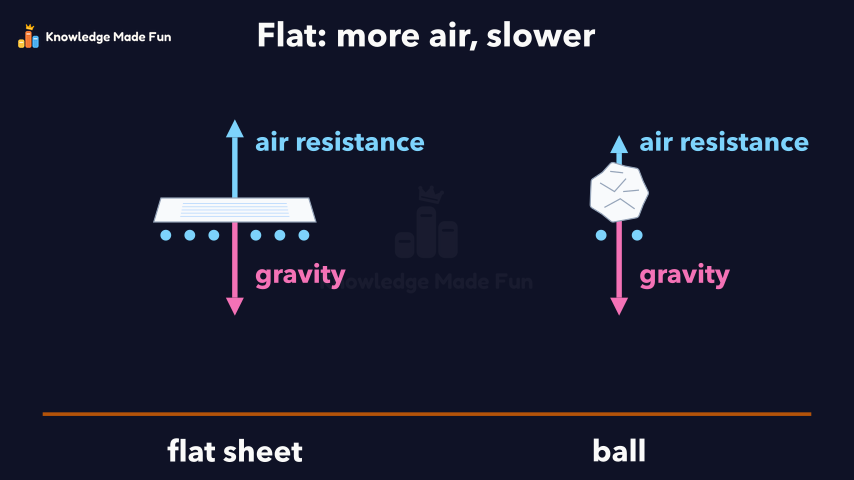 1 min 3 s
Air Resistance: Why a Flat Sheet Falls Slower
Grade 2 · 1 min 3 s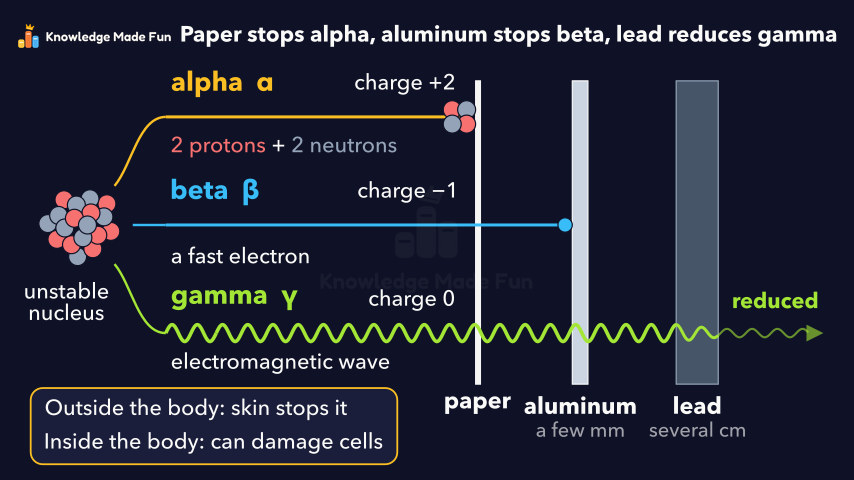 1 min 40 s
Alpha, Beta and Gamma Radiation
Grade 10 · 1 min 40 s 1 min 6 s
Balanced and Unbalanced Forces in Sport and Play
Grade 6 · 1 min 6 s
- All Grade 2 Science lessons
- Create a free account to watch three lessons a day, no payment and no card.