Lesson · Grade 6 · Science
Newton's Third Law: Equal and Opposite Forces
- Grade 6
- Science
- 1 min 10 s
- British Columbia
- BC6-SC-12
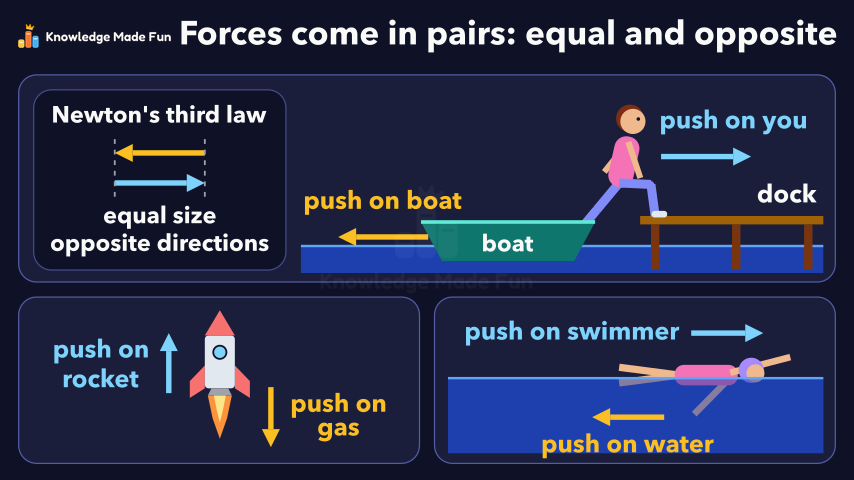
Someone steps off a small boat onto a dock. Their foot pushes the boat back, the boat pushes them forward, and the boat slides back while they step; a side panel then lays the two arrows together to show they are equal in size, point in opposite directions and act on different objects, so they do not cancel. The same pair of forces is then shown for a rocket and its hot gas and for a swimmer and the water, and the video ends on the recap "Forces come in pairs: equal and opposite."
Anyone can watch two lessons on the website without an account. Signing in is free, no payment and no card, and opens three a day; Plus has no limit.
Loading
In one sentence
The question this lesson answers
When you push on something, does it push back?
Imagine stepping off a small boat onto a dock.
Transcript
What the lesson says
When you push on something, does it push back?
Imagine stepping off a small boat onto a dock.
As you step, your foot pushes the boat backward.
At the same time, the boat pushes you forward.
So you move forward onto the dock, and the boat slides back.
The two forces are equal in size.
And they point in opposite directions.
Each force acts on a different object, so they do not cancel out.
This is Newton's third law: forces always come in pairs.
A rocket pushes hot gas down and out of its engine.
The gas pushes the rocket up.
A swimmer pushes the water backward.
The water pushes the swimmer forward.
Forces come in pairs, equal in size and opposite in direction.
Curriculum
Where this fits
- British Columbia, Grade 6
Science, Physics: Newton's three laws of motionBC6-SC-12
Previous: Newton's Second Law: Unbalanced Forces Cause AccelerationNext: Balanced and Unbalanced Forces in Sport and Play
The outcomes and strands follow the British Columbia curriculum.
Keep going
 1 min 51 s
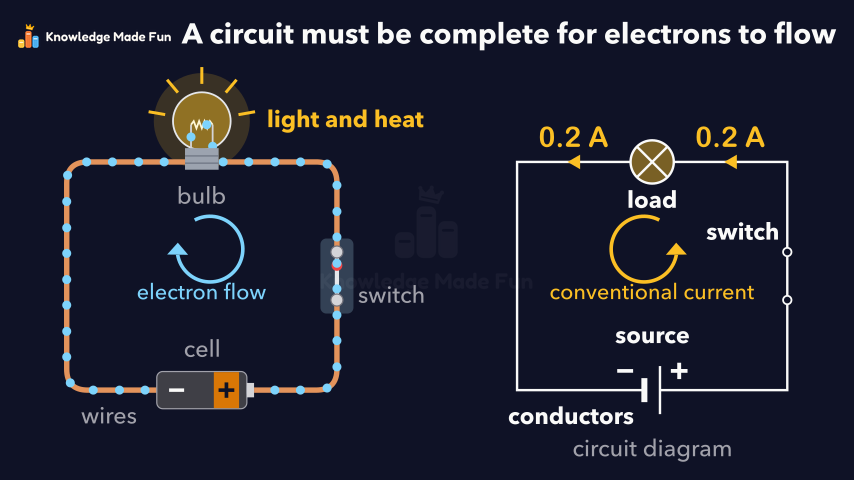
A Complete Circuit: Source, Load, Conductors and Switch
Grade 9 · 1 min 51 s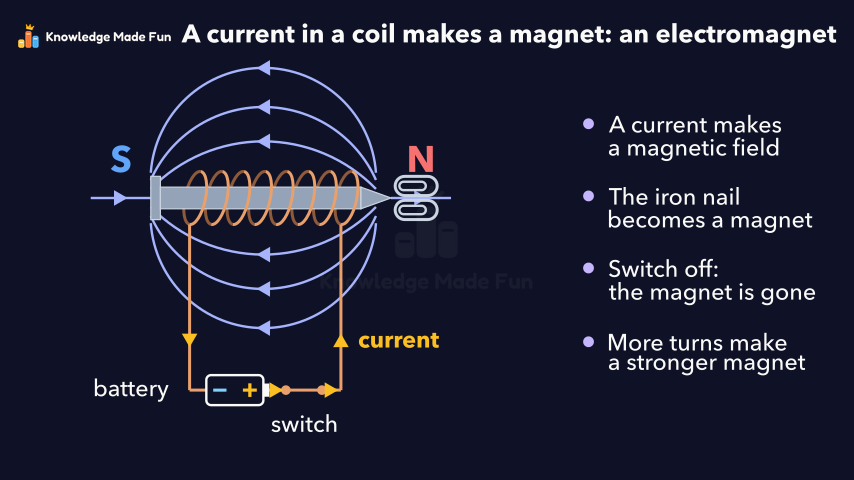 1 min 18 s
A current makes a magnet: the electromagnet
Grade 7 · 1 min 18 s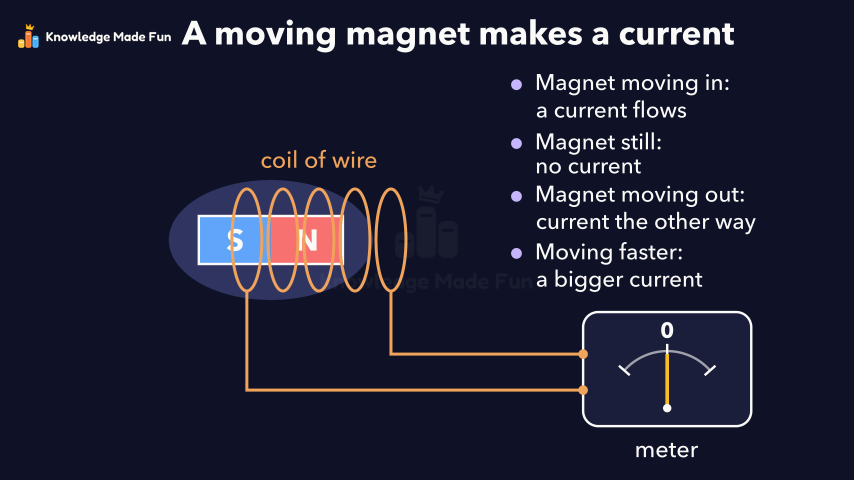 1 min 12 s
A Moving Magnet Makes a Current
Grade 7 · 1 min 12 s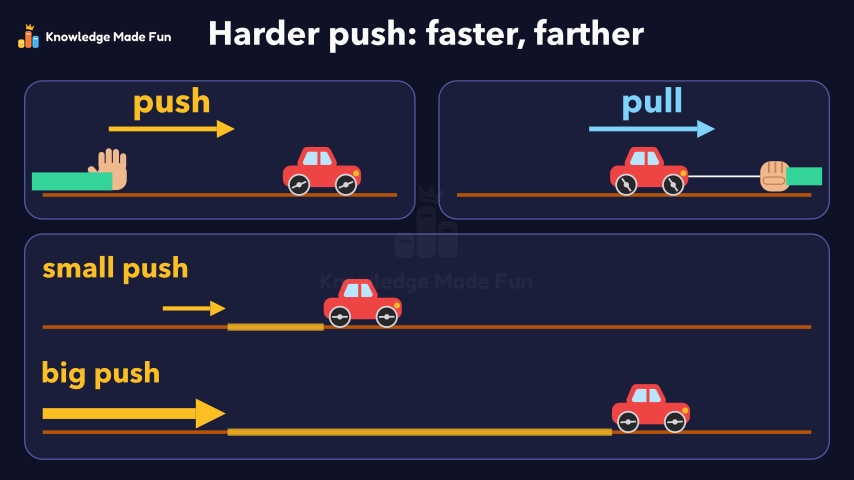 54 s
A Push or a Pull Makes Things Move
Kindergarten · 54 s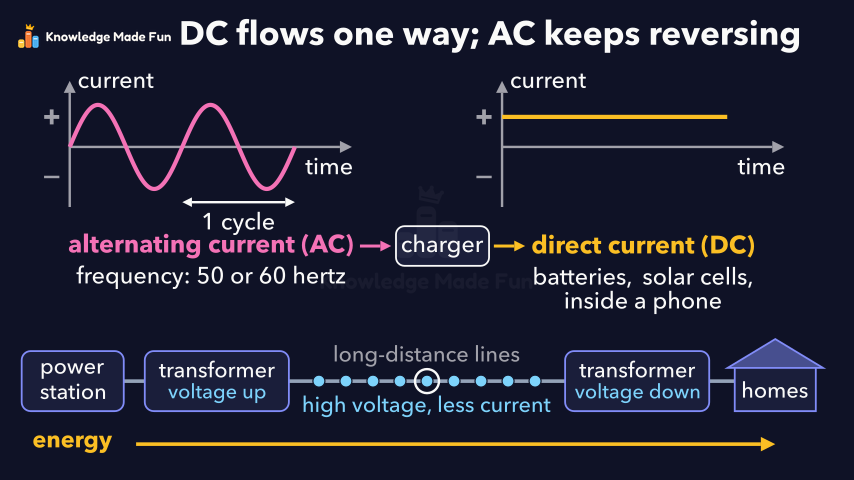 1 min 48 s
AC and DC: Two Ways Current Can Flow
Grade 9 · 1 min 48 s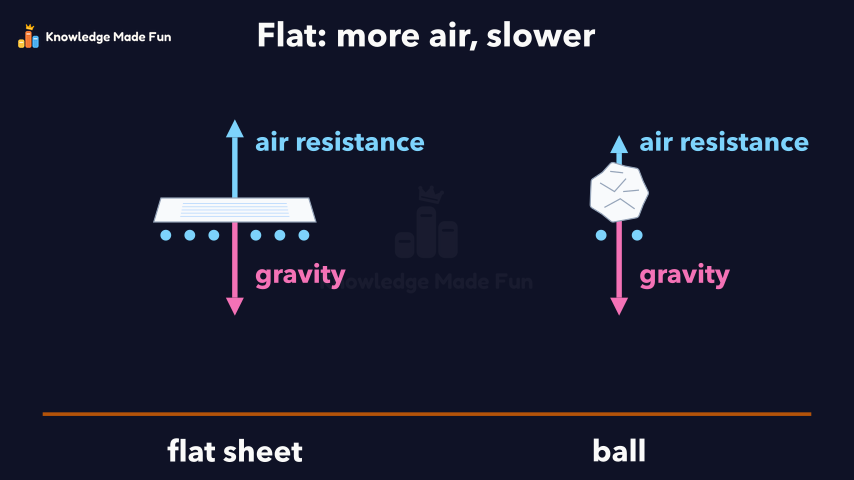 1 min 3 s
Air Resistance: Why a Flat Sheet Falls Slower
Grade 2 · 1 min 3 s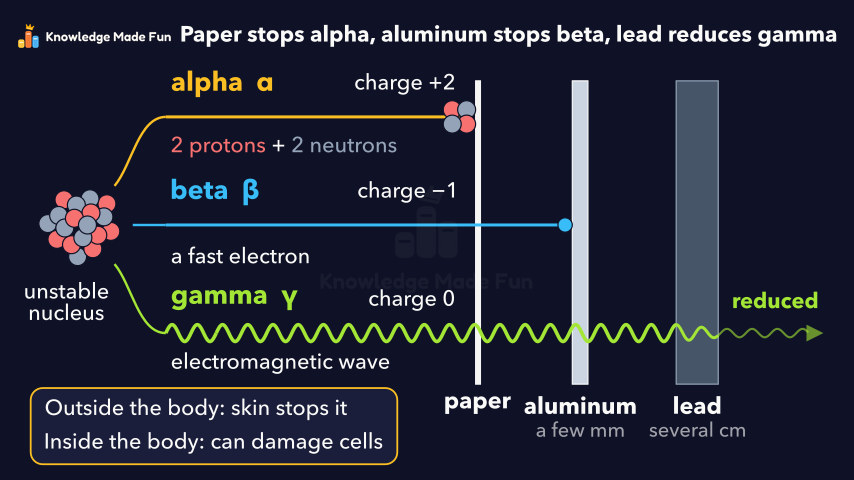 1 min 40 s
Alpha, Beta and Gamma Radiation
Grade 10 · 1 min 40 s 1 min 6 s
Balanced and Unbalanced Forces in Sport and Play
Grade 6 · 1 min 6 s
- All Grade 6 Science lessons
- Create a free account to watch three lessons a day, no payment and no card.