Lesson · Grade 5 · Physical and Health Education
How Germs Spread and How to Stop Them
- Grade 5
- Physical and Health Education
- 1 min 14 s
- British Columbia
- BC5-PH-09
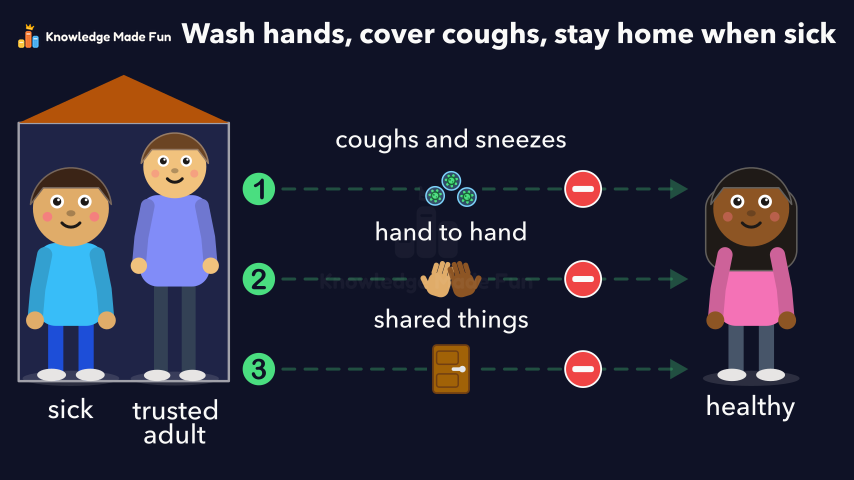
A sick child and a healthy friend are joined by three numbered paths, one for each common way germs spread: drops from coughs and sneezes, hand to hand, and shared things like a door handle. Then washing hands for at least 20 seconds, coughing into a tissue or elbow, and staying home with a trusted adult close the paths one by one, and the video ends on the recap "Wash hands, cover coughs, stay home when sick".
Anyone can watch two lessons on the website without an account. Signing in is free, no payment and no card, and opens three a day; Plus has no limit.
Loading
In one sentence
The question this lesson answers
How do germs spread from one person to another?
Germs are too small to see, so we draw them big.
Transcript
What the lesson says
How do germs spread from one person to another?
Germs are too small to see, so we draw them big.
Illnesses that can spread from person to person are called communicable.
Here are three common ways germs spread.
Coughs and sneezes spray tiny drops that can carry germs.
Germs on hands can pass to other hands when we touch.
Germs can stay on things we share, like door handles.
Germs can get into the body through the eyes, nose and mouth.
So how can we help stop germs from spreading?
Wash your hands with soap and water.
Scrub for at least 20 seconds, then rinse.
Clean hands pass on fewer germs.
Cough or sneeze into a tissue or your elbow.
When you are sick, staying home helps keep your germs away from others.
If you feel sick, ask a trusted adult for help.
Wash your hands, cover your coughs, and stay home when you are sick.
Curriculum
Where this fits
- British Columbia, Grade 5
Physical and Health Education, Healthy and active living: practices that promote health and well-being, including those that prevent communicable and non-communicable illnessesBC5-PH-09
Previous: Choosing foods for energy and healthNext: Four Healthy Habits That Lower Your Risk
The outcomes and strands follow the British Columbia curriculum.
Keep going
 59 s
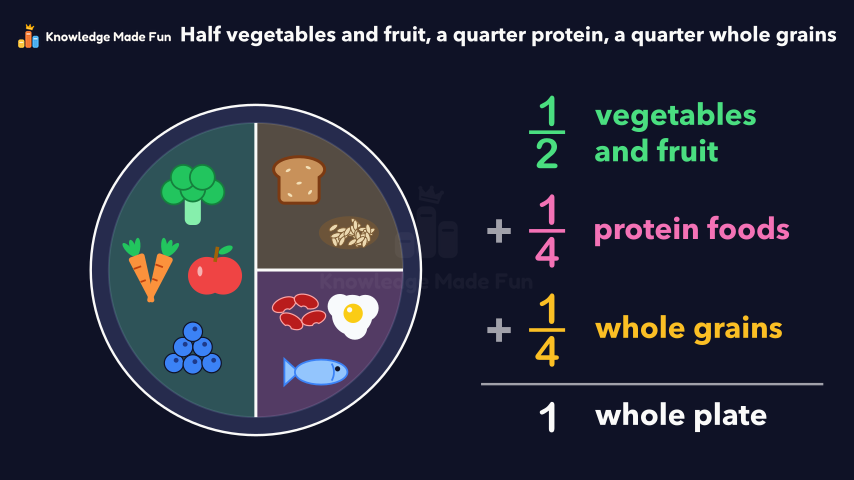
A Balanced Plate: Half, a Quarter and a Quarter
Grade 4 · 59 s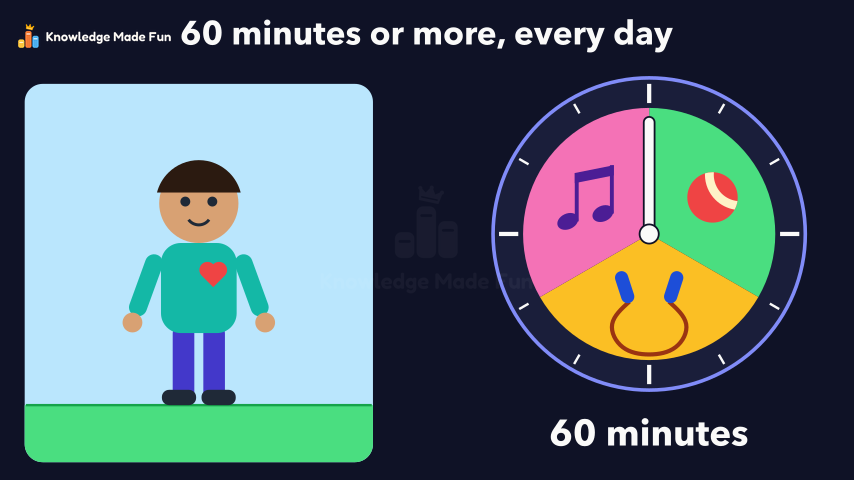 59 s
Being Active Every Day: Fill Up Your 60 Minutes
Grade 2 · 59 s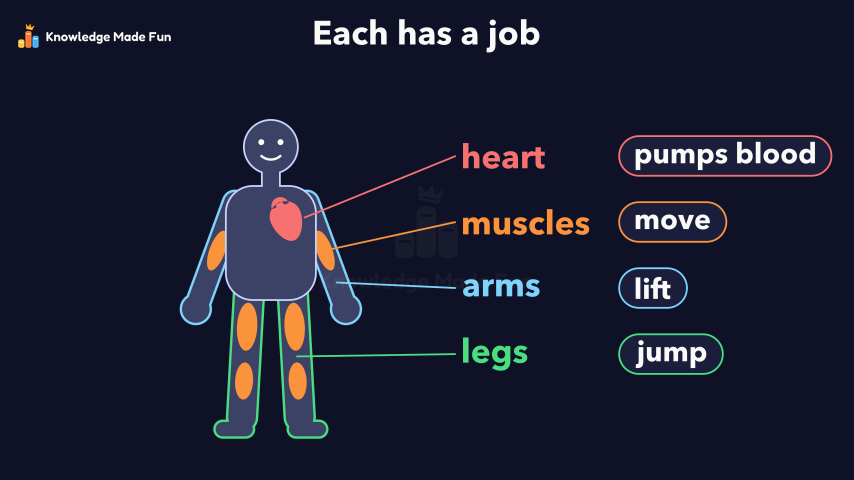 52 s
Body parts and their jobs: heart, muscles, arms and legs
Grade 1 · 52 s 1 min 6 s
Choosing foods for energy and health
Grade 5 · 1 min 6 s 49 s
Finding a Trusted Adult for Health Questions
Grade 3 · 49 s 1 min 2 s
Finding Health Information You Can Trust
Grade 6 · 1 min 2 s 1 min
Food and Water Fuel Your Body
Grade 3 · 1 min 51 s
Food and Water: Energy to Grow, Learn and Play
Grade 1 · 51 s
- All Grade 5 Physical and Health Education lessons
- Create a free account to watch three lessons a day, no payment and no card.