Lesson · Grade 4 · Physical and Health Education
A Balanced Plate: Half, a Quarter and a Quarter
- Grade 4
- Physical and Health Education
- 59 s
- British Columbia
- BC4-PH-07
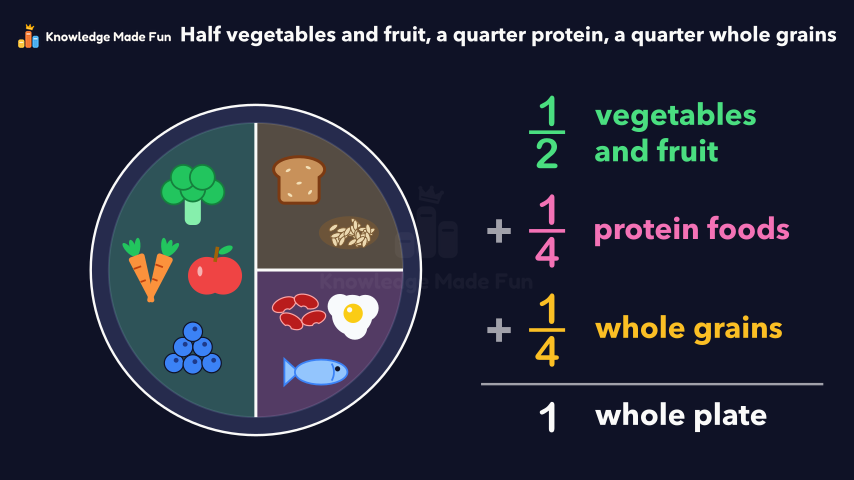
Instead of counting servings, two lines split a plate into three parts. Each part lights up in its own colour with foods drawn on it: half vegetables and fruit (broccoli, carrots, an apple, berries), a quarter protein foods (beans, an egg, a fish) and a quarter whole grains (whole grain bread, brown rice). A key on the right adds ½ + ¼ + ¼ to make one whole plate, and the video ends by saying no food is good or bad and that not every meal has to look exactly like the plate.
Concept: A balanced plate: vegetables and fruit, protein foods and whole grains
Anyone can watch two lessons on the website without an account. Signing in is free, no payment and no card, and opens three a day; Plus has no limit.
Loading
In one sentence
The question this lesson answers
What does a balanced plate look like?
Instead of counting servings, picture your plate in three parts.
Transcript
What the lesson says
What does a balanced plate look like?
Instead of counting servings, picture your plate in three parts.
Half of the plate is vegetables and fruit.
Pick many colours, like broccoli, carrots, apples and berries.
A quarter of the plate is protein foods.
Beans, eggs and fish are some protein foods.
The last quarter is whole grain foods.
Whole grain bread and brown rice are two examples.
A half and two quarters make one whole plate.
No food is good or bad.
The plate shows how much of each kind of food to aim for.
Not every meal will look like this, and that is okay.
A balanced plate is half vegetables and fruit, a quarter protein foods and a quarter whole grains.
Curriculum
Where this fits
- British Columbia, Grade 4
Physical and Health Education, Healthy and active living: food portion sizes and number of servingsBC4-PH-07
Previous: Stopping Germs: Wash, Cover, RestNext: Illnesses You Can Catch and Illnesses You Cannot
The outcomes and strands follow the British Columbia curriculum.
Keep going
 59 s
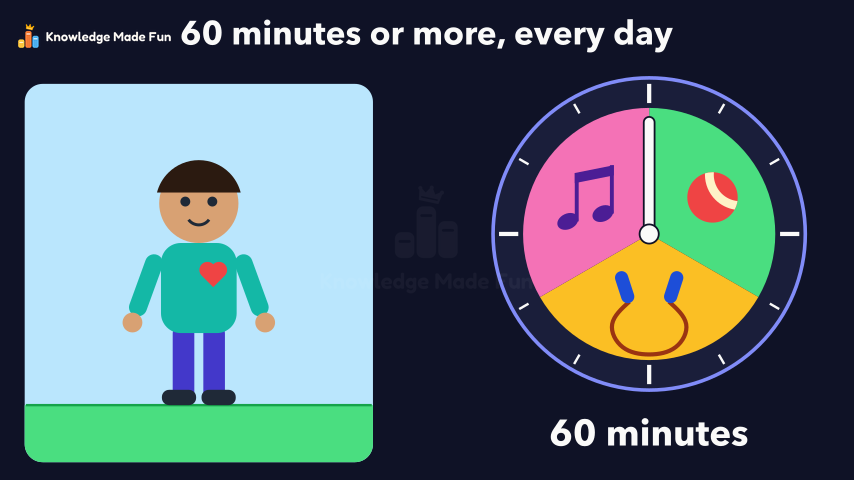
Being Active Every Day: Fill Up Your 60 Minutes
Grade 2 · 59 s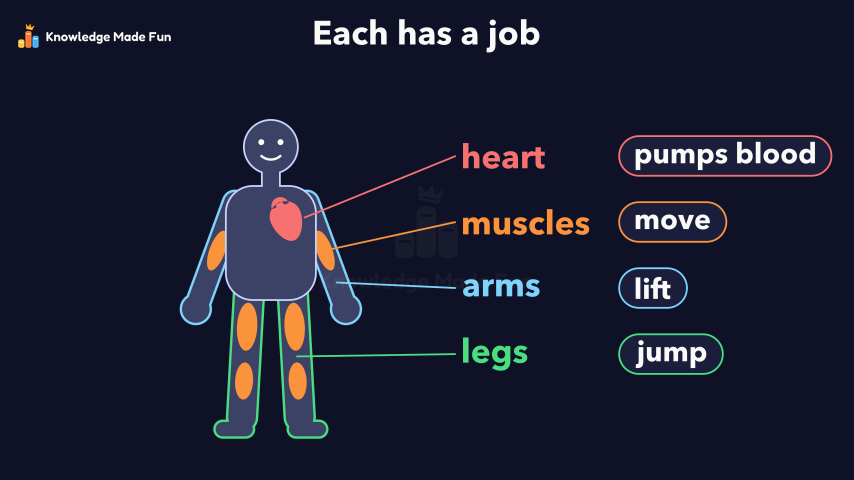 52 s
Body parts and their jobs: heart, muscles, arms and legs
Grade 1 · 52 s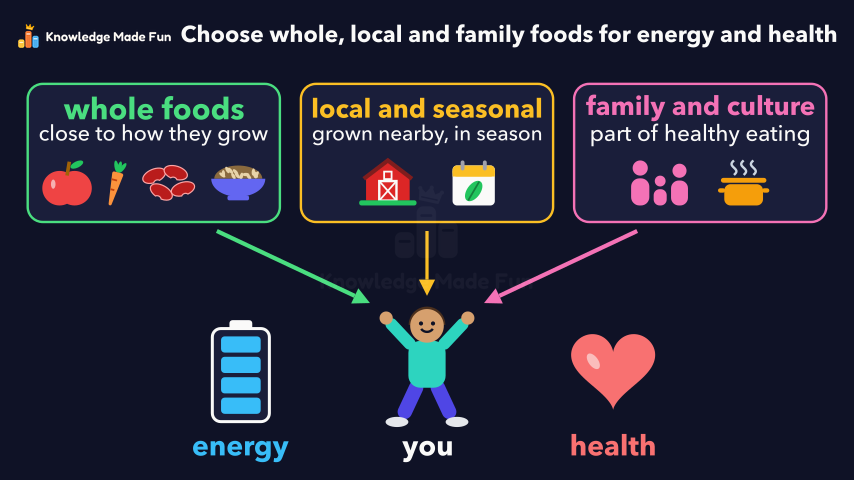 1 min 6 s
Choosing foods for energy and health
Grade 5 · 1 min 6 s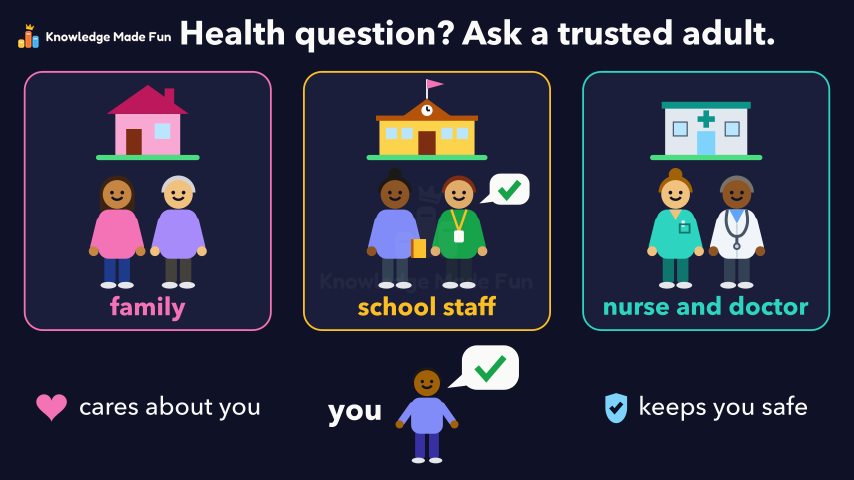 49 s
Finding a Trusted Adult for Health Questions
Grade 3 · 49 s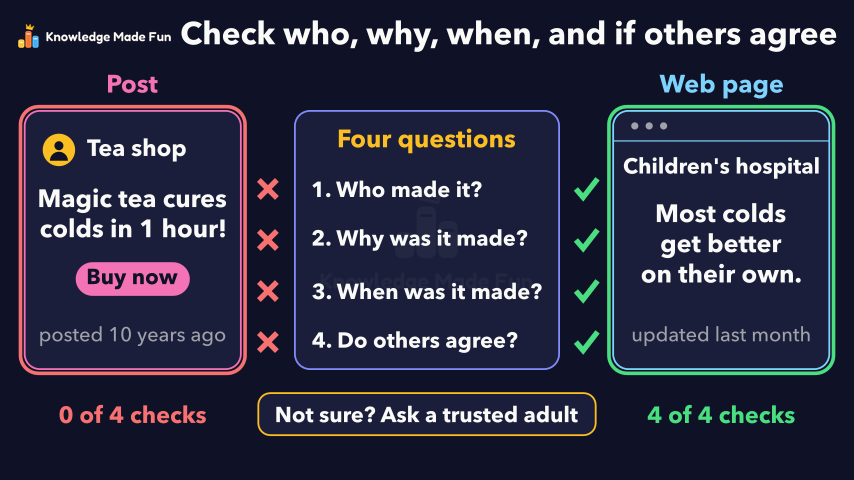 1 min 2 s
Finding Health Information You Can Trust
Grade 6 · 1 min 2 s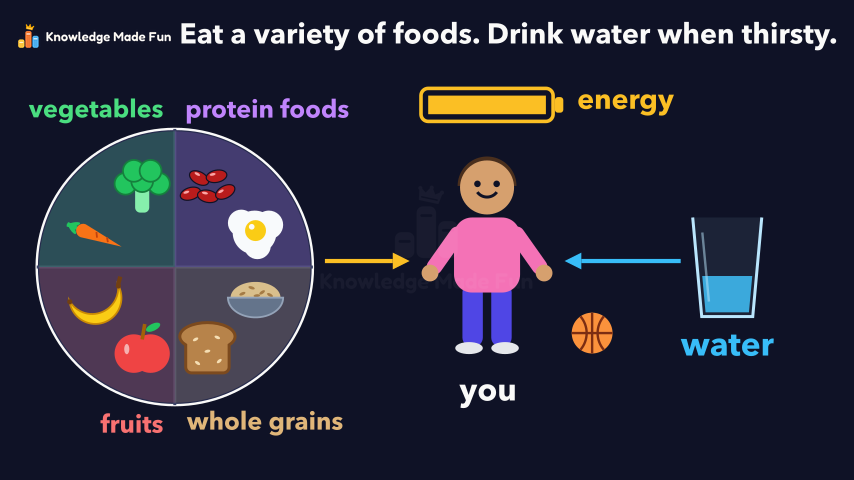 1 min
Food and Water Fuel Your Body
Grade 3 · 1 min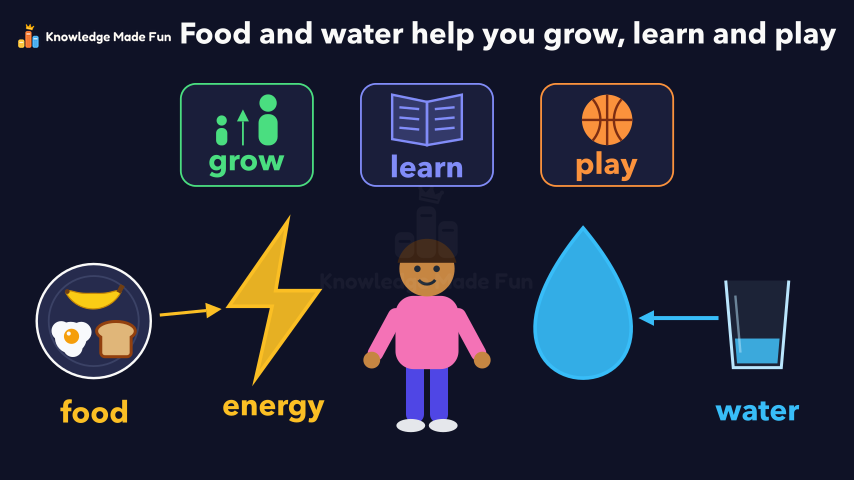 51 s
Food and Water: Energy to Grow, Learn and Play
Grade 1 · 51 s 49 s
Food and Water: Fuel for Growing, Learning and Playing
Kindergarten · 49 s
- All Grade 4 Physical and Health Education lessons
- Create a free account to watch three lessons a day, no payment and no card.