Lesson · Grade 6 · English Language Arts
Fixing Run-On Sentences
- Grade 6
- English Language Arts
- 1 min 22 s
- British Columbia
- BC6-EN-24
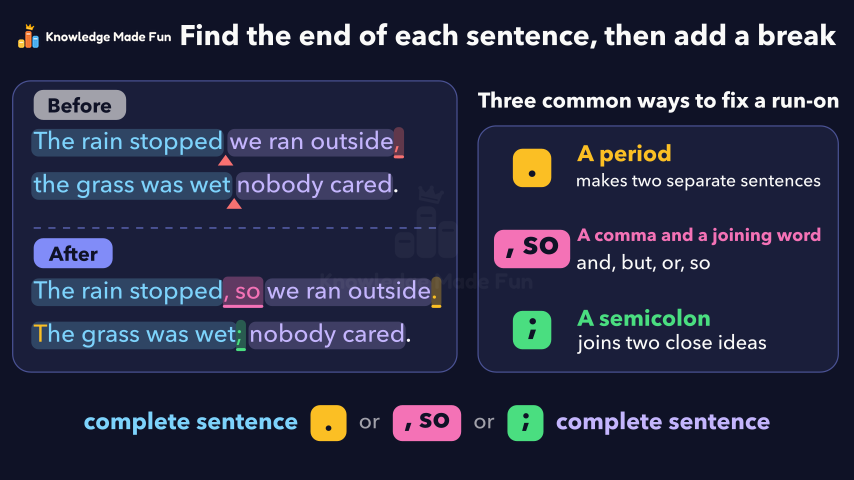
A short passage about a rainy day turns out to be four complete sentences pushed together with no break, or only a comma, between them; each sentence lights up and the spots that need a break are marked. A box on the right gives the three fixes (a period, a comma and a joining word, or a semicolon), the passage is rewritten underneath with all three in place, and the video ends on the pattern: complete sentence, a break, complete sentence.
Anyone can watch two lessons on the website without an account. Signing in is free, no payment and no card, and opens three a day; Plus has no limit.
Loading
In one sentence
The question this lesson answers
What is a run-on sentence, and how do you fix one?
Here is a short passage about a rainy day.
Transcript
What the lesson says
What is a run-on sentence, and how do you fix one?
Here is a short passage about a rainy day.
It holds four complete sentences, and each one could stand on its own.
A run-on sentence pushes complete sentences together with no break between them.
A comma on its own is not a strong enough break, so this spot is a run-on too.
There are three common ways to fix a run-on.
A period splits it into two separate sentences.
A comma and a joining word, such as and, but, or so, link the two ideas.
A semicolon joins two ideas that belong closely together.
Here is the same passage with the right breaks in place.
A comma and the word so link the first two ideas, and show a result.
A period ends that sentence, and a capital letter starts the next one.
A semicolon joins the last two ideas, because they belong together.
Now the reader knows exactly where each idea ends.
To fix a run-on, find where each complete sentence ends, and add a period, a comma and a joining word, or a semicolon.
Curriculum
Where this fits
- British Columbia, Grade 6
English Language Arts, Language features, structures, and conventions: sentence structure and grammarBC6-EN-24
Previous: Complex Sentences: Joining an Independent Clause to a Dependent ClauseNext: Fixing Sentence Fragments
- British Columbia, Grade 7
English Language Arts, Language features, structures, and conventions: syntax and sentence fluencyBC7-EN-28
Previous: Complex Sentences: Joining an Independent Clause to a Dependent ClauseNext: Fixing Sentence Fragments
This lesson is also listed in Grade 7.
The outcomes and strands follow the British Columbia curriculum.
Keep going
 42 s
A Sentence Tells a Whole Idea: Who Did What
Grade 1 · 42 s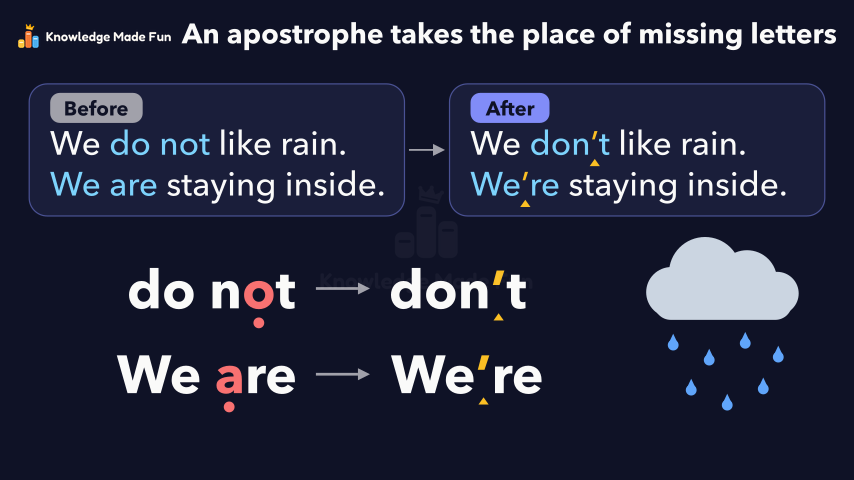 1 min 1 s
Apostrophes in Contractions: Do Not Becomes Don't
Grade 3 · 1 min 1 s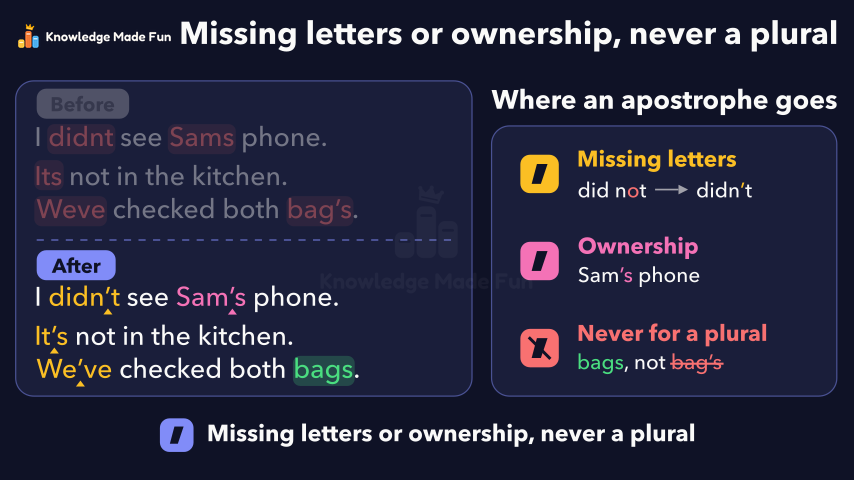 1 min 45 s
Apostrophes: Missing Letters or Ownership, Never a Plural
Grade 4 · 1 min 45 s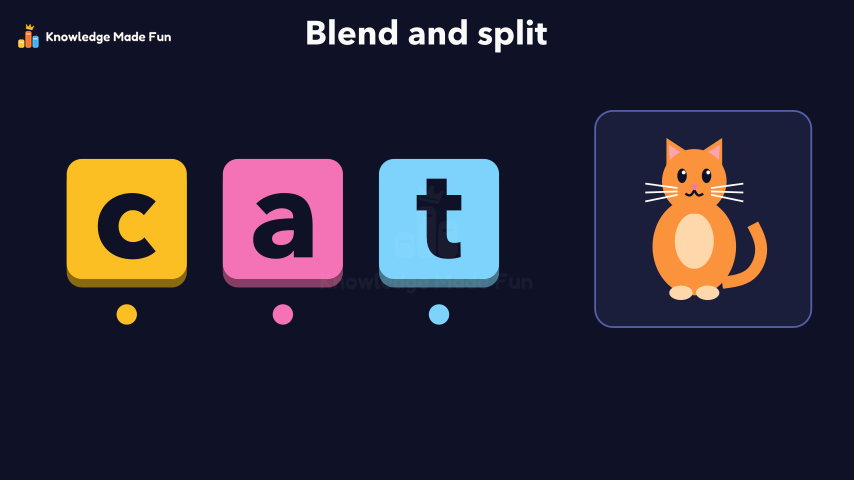 54 s
Blending and Splitting Sounds: c, a, t Makes cat
Grade 1 · 54 s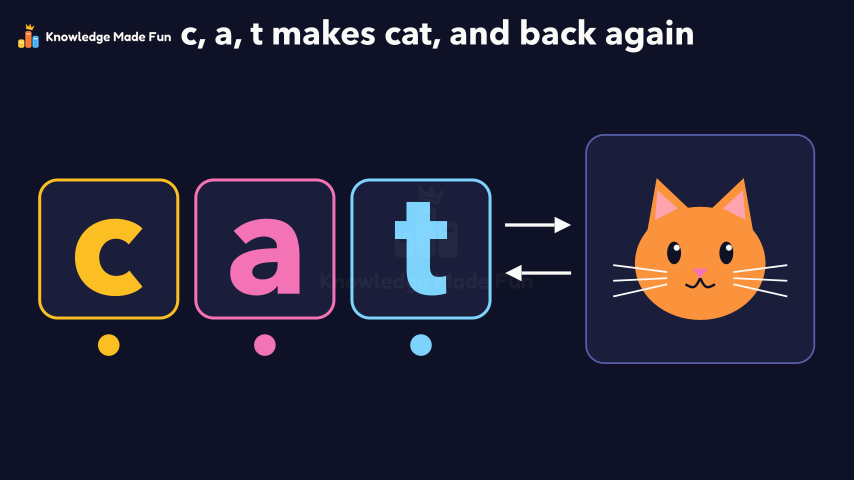 54 s
Blending Sounds: c, a, t Makes cat
Kindergarten · 54 s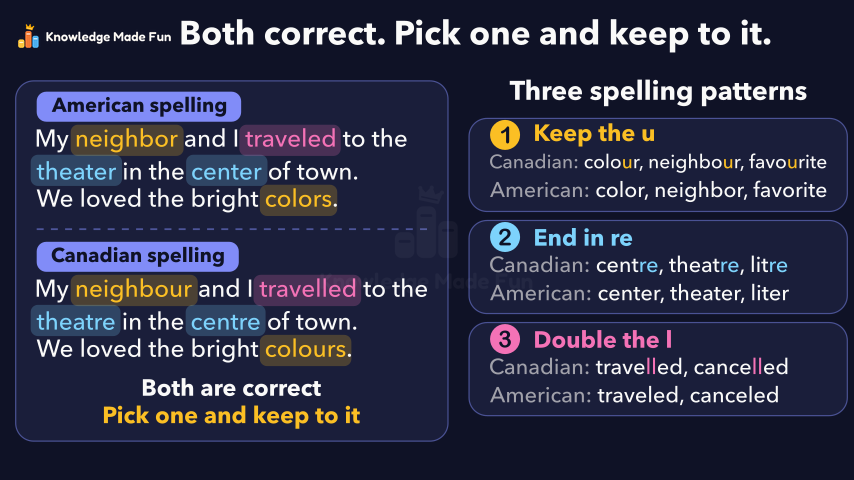 1 min 5 s
Canadian and American Spelling: Two Ways, Both Correct
Grade 5 · 1 min 5 s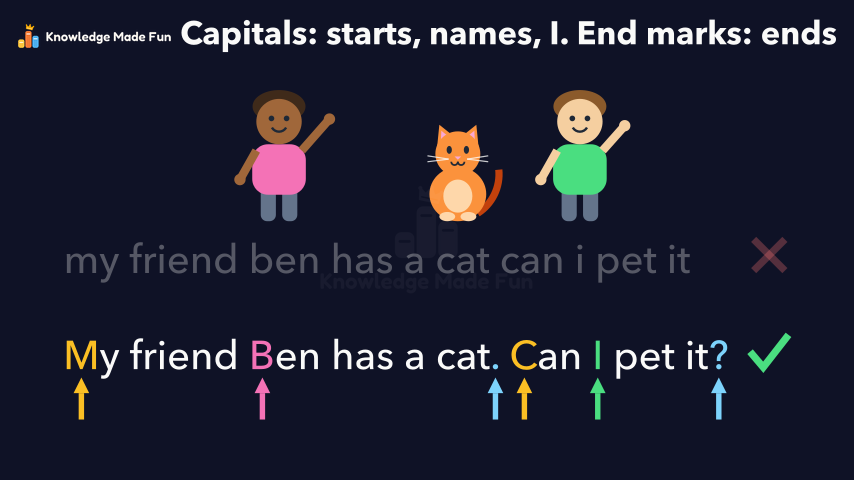 53 s
Capital Letters and End Marks
Grade 2 · 53 s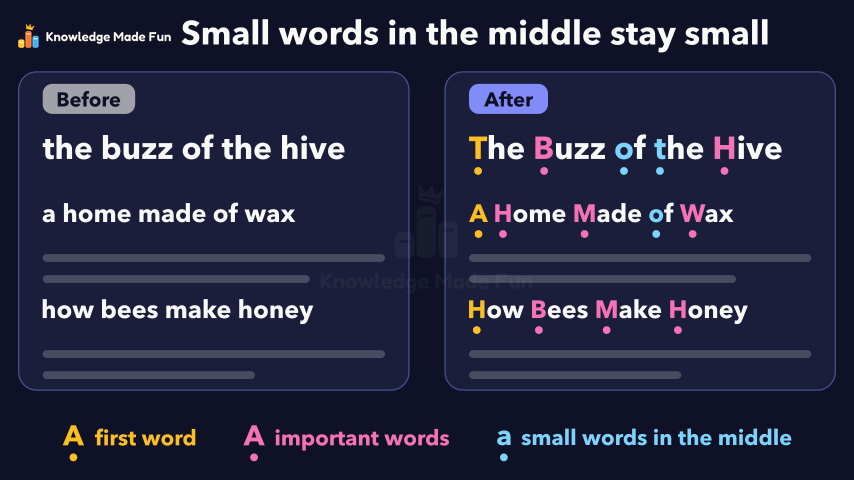 1 min 12 s
Capital Letters in Titles and Headings
Grade 5 · 1 min 12 s
- All Grade 6 English Language Arts lessons
- Create a free account to watch three lessons a day, no payment and no card.