Lesson · Grade 4 · Arts Education
Reading Music: The Staff, Notes and Rests
- Grade 4
- Arts Education
- 1 min 23 s
- British Columbia
- BC4-AR-08
A five-line staff with a treble clef shows that a note sits on a line or in a space and sounds higher the higher it sits, heard as a climbing scale. One bar of four beats is then filled with quarter, half, whole and eighth notes, each heard over a ticking beat, while a card collects every note and its matching rest, and a last bar of notes and a rest is read and played.
Concept: Reading music notation: the staff, notes and rests
Anyone can watch two lessons on the website without an account. Signing in is free, no payment and no card, and opens three a day; Plus has no limit.
Loading
In one sentence
The question this lesson answers
How can we write music down?
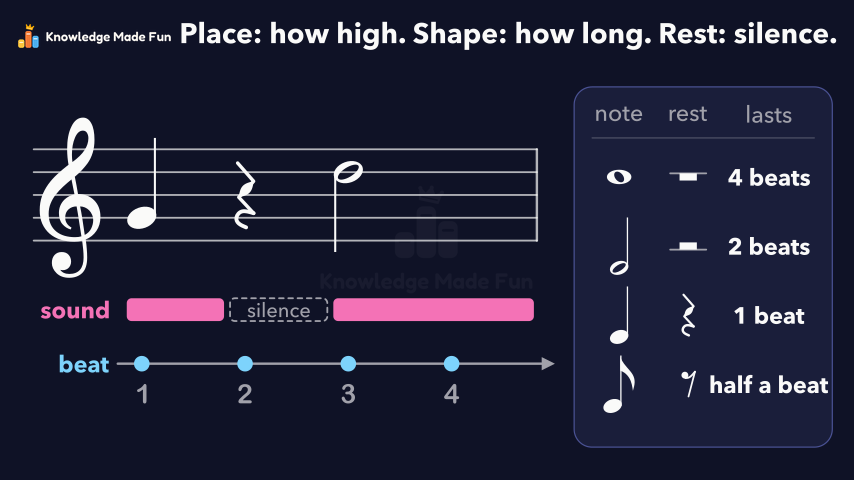
Written music often uses a staff: five lines and four spaces.
Transcript
What the lesson says
How can we write music down?
Written music often uses a staff: five lines and four spaces.
The treble clef sets the pitch of each line and space.
A note sits on a line or in a space.
The higher a note sits on the staff, the higher it sounds.
The shape of a note shows how many beats it lasts.
Here a quarter note, filled in with a stem, lasts one beat.
A half note is hollow with a stem, and lasts two beats.
A whole note is hollow with no stem, and lasts four beats.
A single eighth note has a flag, and lasts half a beat.
A rest is a silence, and each note length has its own rest.
Read this bar: quarter note, quarter rest, half note.
A note's place shows how high, its shape shows how long, and a rest is a silence.
Curriculum
Where this fits
- British Columbia, Grade 4
Arts Education, Music: notation to represent sounds, ideas, movements, elements, and actionsBC4-AR-08
Previous: Pitch, Dynamics and Timbre: How High, How Loud, What Kind of Sound
- British Columbia, Grade 5
Arts Education, Music: notation in music and dance to represent sounds, ideas, movement, elements, and actionsBC5-AR-10
Previous: Pitch, Dynamics and Timbre: How High, How Loud, What Kind of Sound
- British Columbia, Grade 6
Arts Education, Music: notation in music and dance to represent sounds, ideas, movement, elements, and actionsBC6-AR-06
Previous: Pitch, Dynamics and Timbre: How High, How Loud, What Kind of Sound
- British Columbia, Grade 7
Arts Education, Music: notation in music and dance to represent sounds, ideas, movement, elements, and actionsBC7-AR-10
Previous: Pitch, Dynamics and Timbre: How High, How Loud, What Kind of Sound
This lesson is also listed in Grade 5, Grade 6 and Grade 7.
The outcomes and strands follow the British Columbia curriculum.
Keep going
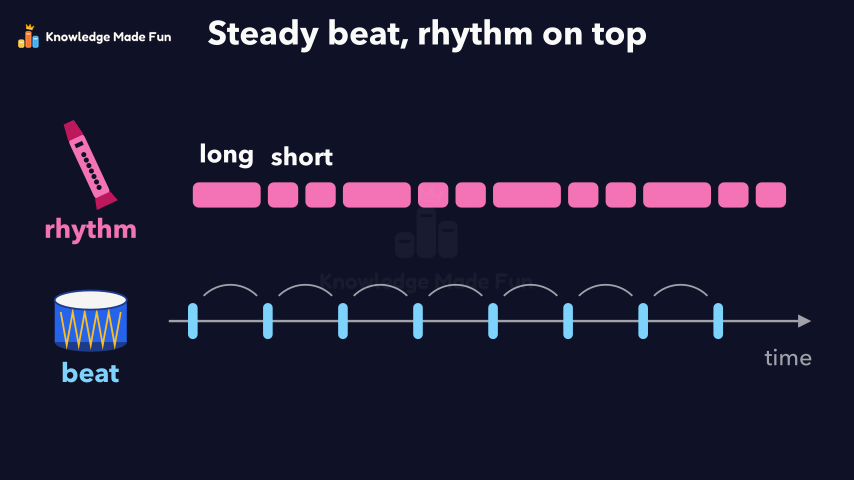 1 min 13 s
Beat and Rhythm
Grade 2 · 1 min 13 s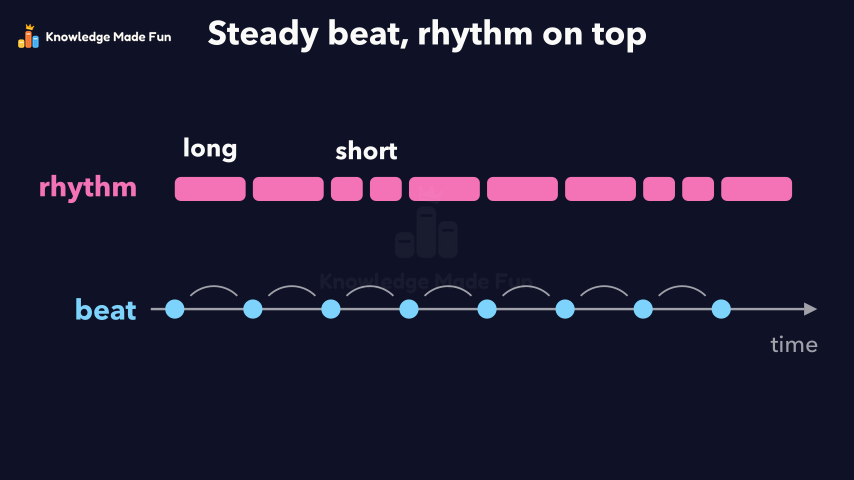 1 min 6 s
Beat and Rhythm: The Steady Pulse and the Pattern on Top
Grade 1 · 1 min 6 s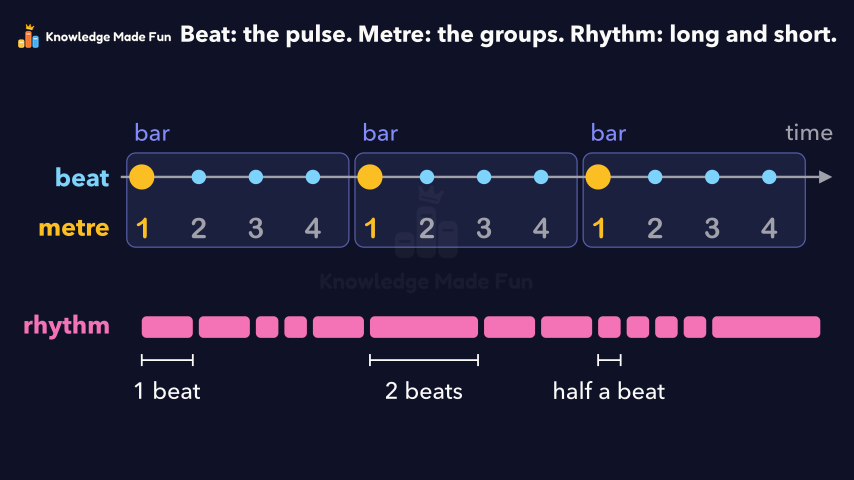 1 min 25 s
Beat, metre and rhythm: how music moves in time
Grade 5 · 1 min 25 s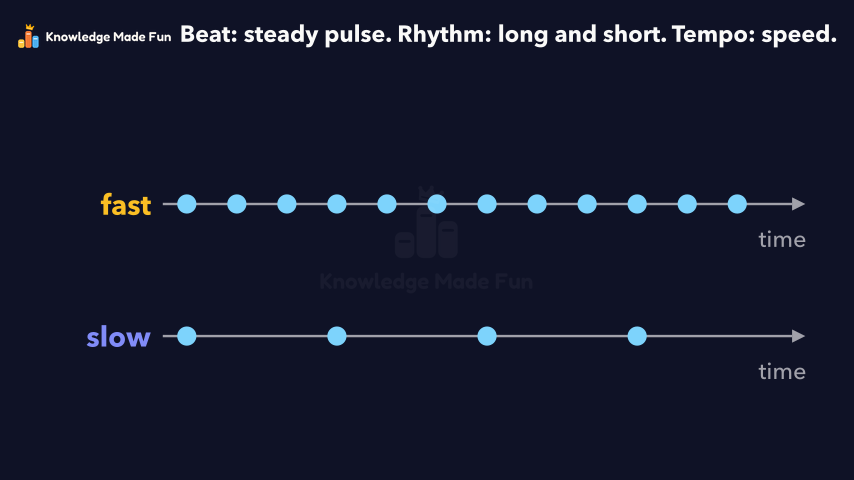 1 min 21 s
Beat, Rhythm and Tempo
Grade 3 · 1 min 21 s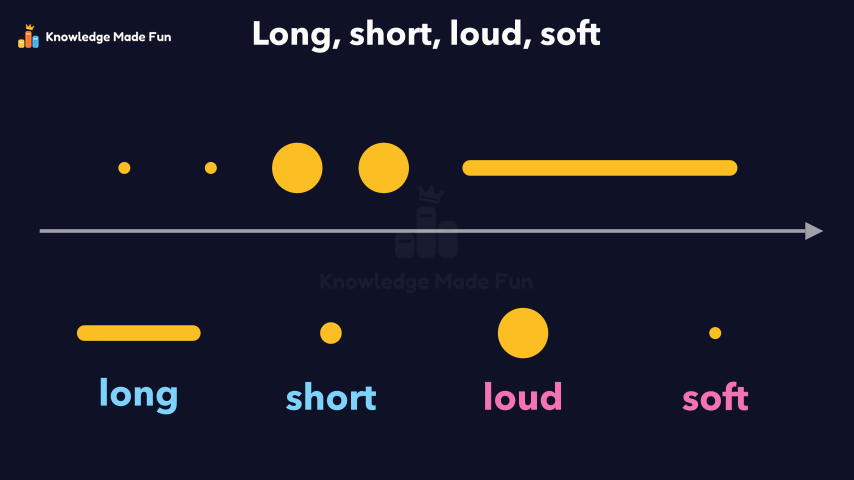 1 min 3 s
Drawing Sounds: Long, Short, Loud and Soft
Grade 1 · 1 min 3 s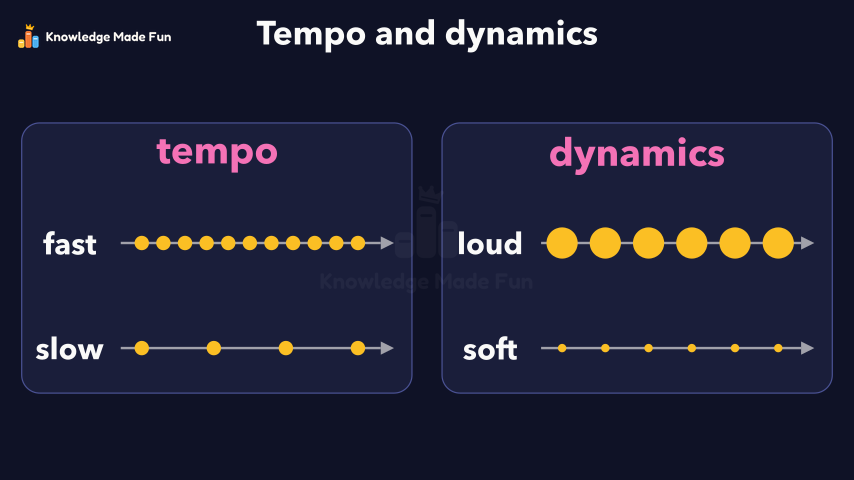 1 min 12 s
Fast or Slow, Loud or Soft: Tempo and Dynamics
Grade 1 · 1 min 12 s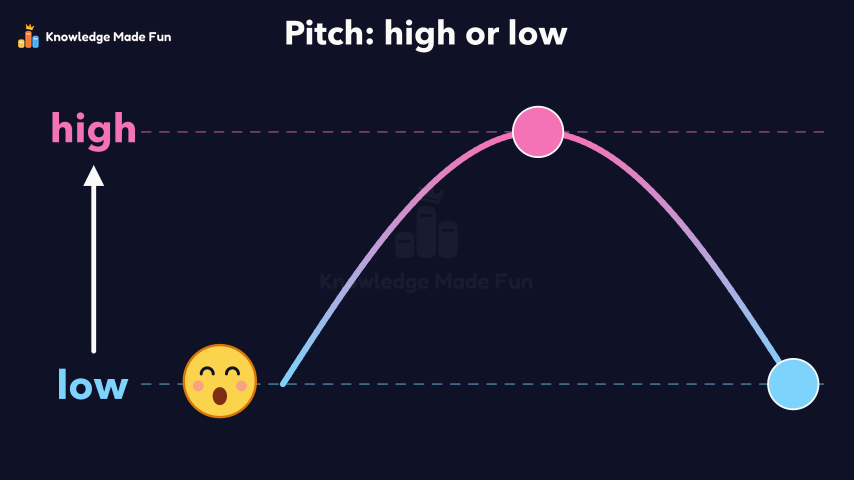 1 min 6 s
High and Low Sounds
Grade 2 · 1 min 6 s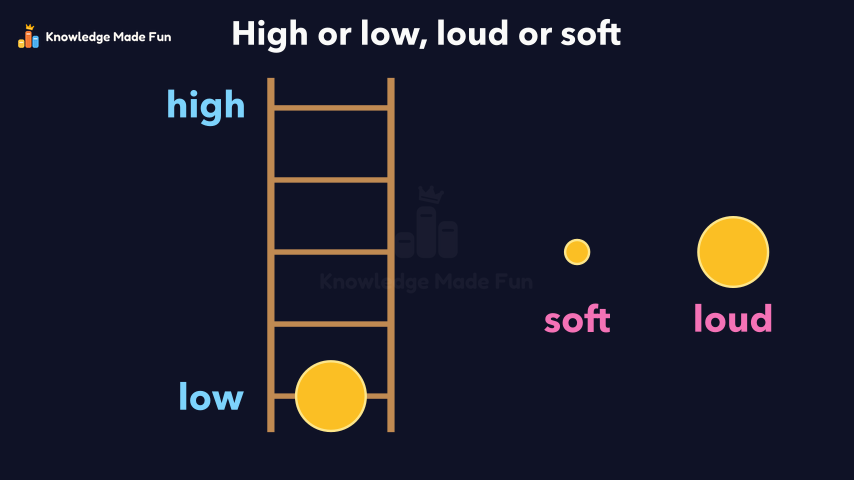 1 min 14 s
High or Low, Loud or Soft
Kindergarten · 1 min 14 s
- All Grade 4 Arts Education lessons
- Create a free account to watch three lessons a day, no payment and no card.