Lesson · Grade 3 · Mathematics
Finding the Missing Number
- Grade 3
- Mathematics
- 1 min 1 s
- British Columbia
- BC3-MA-19
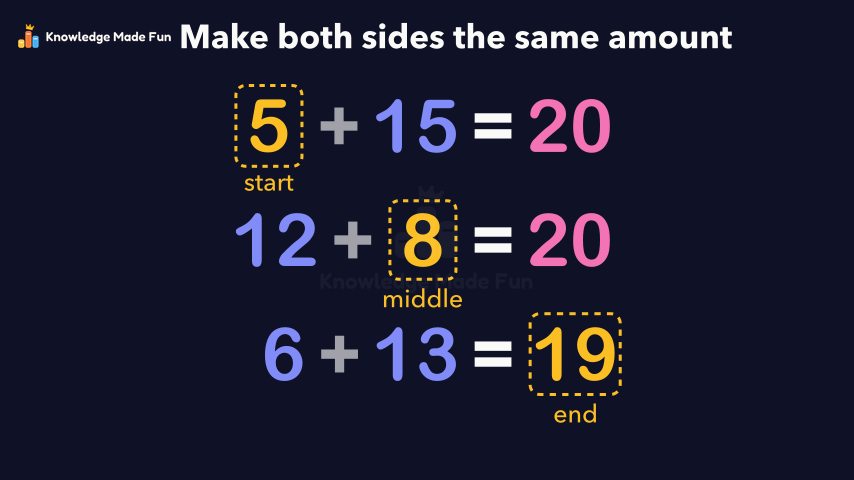
The video shows that the equal sign means both sides are the same amount by turning 12 + □ = 20 into a row of 12 cubes with empty spaces above a row of 20 cubes. Counting on from 12 to 20 fills the 8 spaces, and 12 + 8 = 20 checks it; then the box moves to the start (□ + 15 = 20 makes 5) and the end (6 + 13 = □ makes 19), ending on "make both sides the same amount".
Concept: Finding the missing number in an equation
Anyone can watch two lessons on the website without an account. Signing in is free, no payment and no card, and opens three a day; Plus has no limit.
Loading
In one sentence
The question this lesson answers
What number goes in the box?
The equal sign means both sides are the same amount.
Transcript
What the lesson says
What number goes in the box?
The equal sign means both sides are the same amount.
So twelve and the missing number must make twenty.
Start at twelve and count on to twenty.
Thirteen, fourteen, fifteen, sixteen, seventeen, eighteen, nineteen, twenty.
We counted on eight, so the missing number is eight.
Check: twelve plus eight is twenty, so both sides match.
The box can be at the start, in the middle or at the end.
Fifteen and five make twenty, so this box is five.
Six plus thirteen is nineteen, so this box is nineteen.
To find the missing number, make both sides the same amount.
Curriculum
Where this fits
- British Columbia, Grade 3
Mathematics, Patterns and algebra: one-step addition and subtraction equations with an unknown numberBC3-MA-19
Previous: Writing a Pattern Rule: Start at 3, Add 2 Each Time
The outcomes and strands follow the British Columbia curriculum.
Keep going
 1 min 8 s
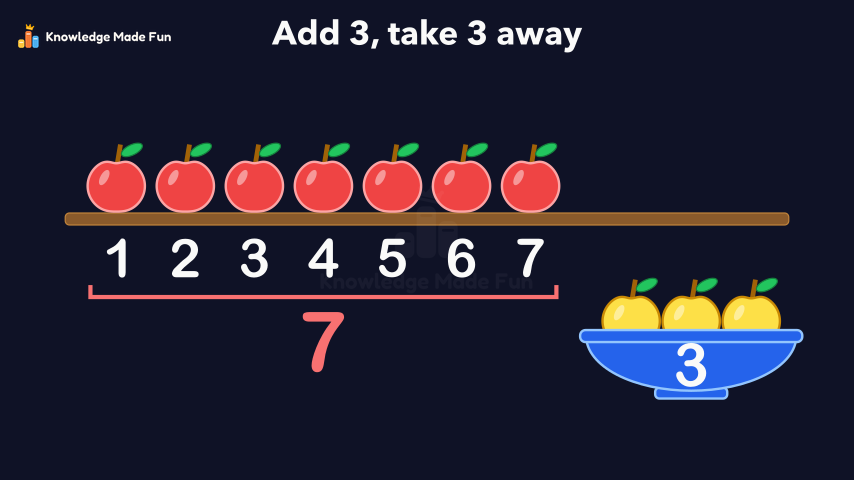
7 and 3 More Makes 10
Grade 1 · 1 min 8 s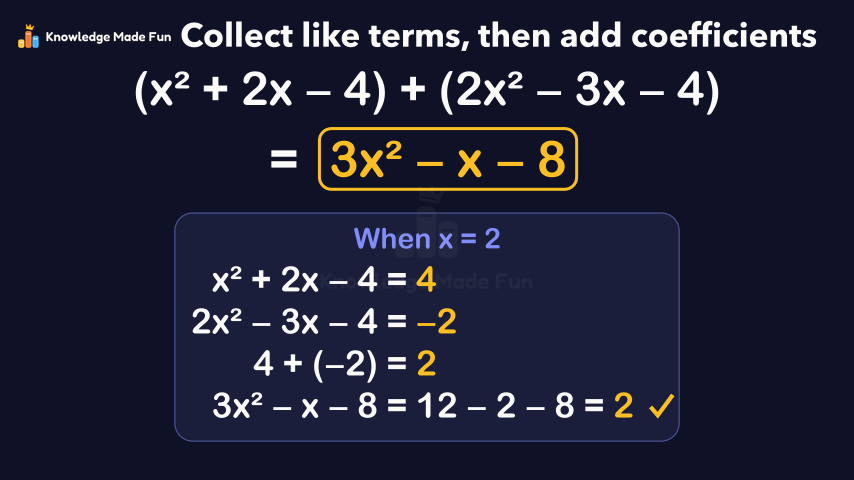 2 min
Adding Polynomials by Collecting Like Terms
Grade 9 · 2 min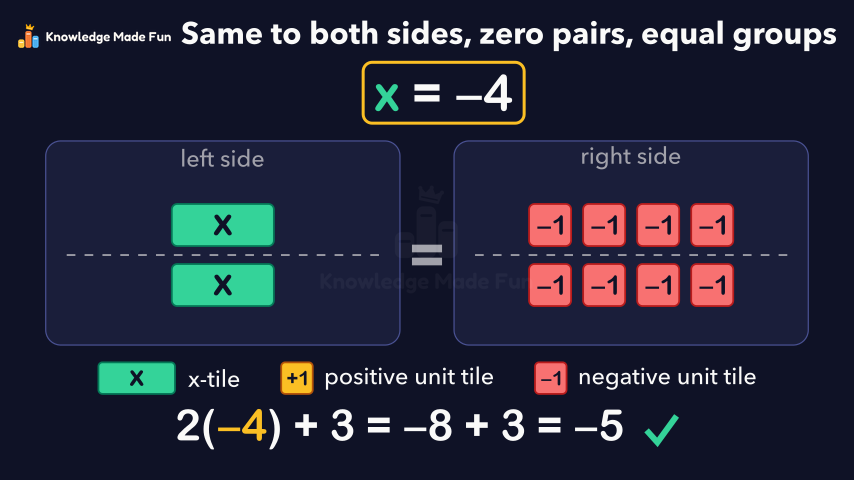 1 min 59 s
Algebra Tiles: Solving 2x + 3 = −5 with Zero Pairs
Grade 8 · 1 min 59 s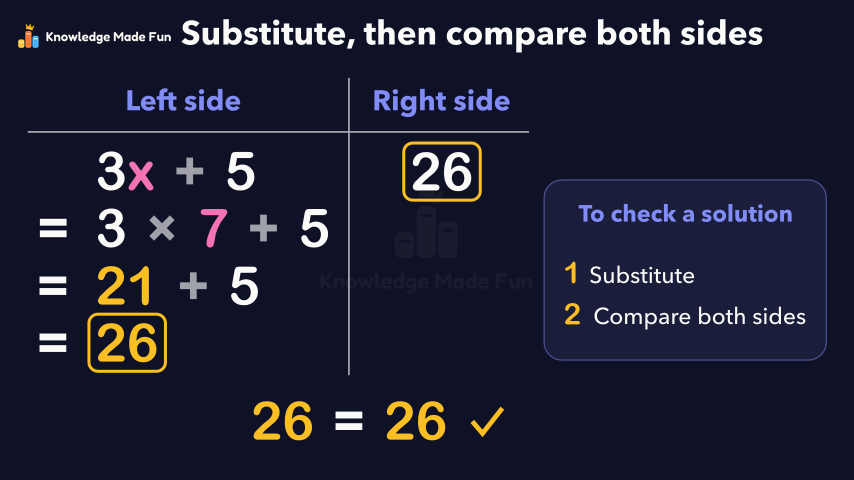 1 min 10 s
Checking a Solution by Substituting
Grade 7 · 1 min 10 s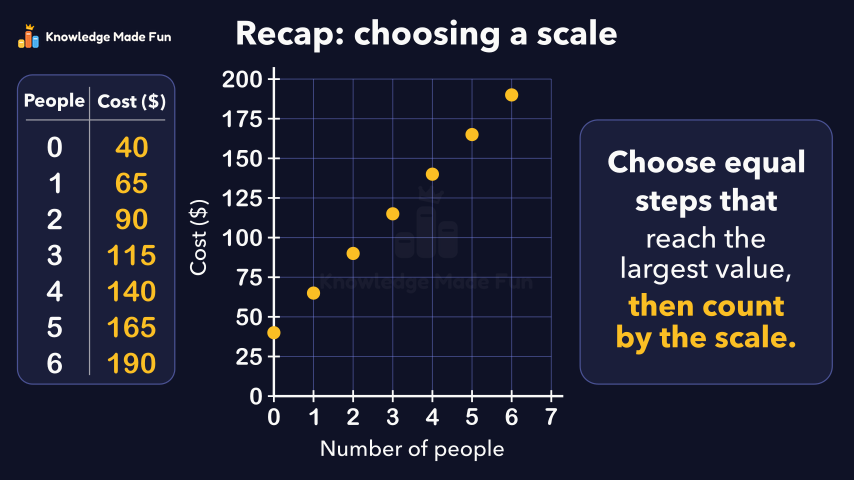 2 min 6 s
Choosing a Scale When the Numbers Are Large
Grade 8 · 2 min 6 s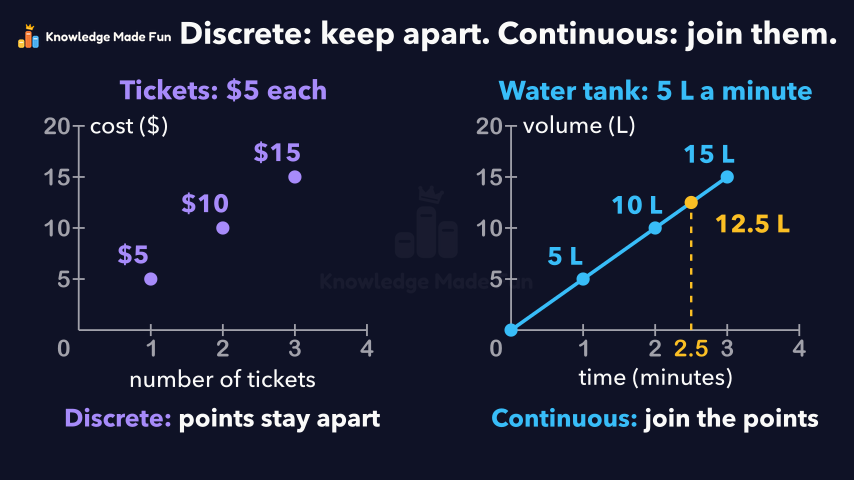 1 min 57 s
Discrete or Continuous: When to Join the Points
Grade 9 · 1 min 57 s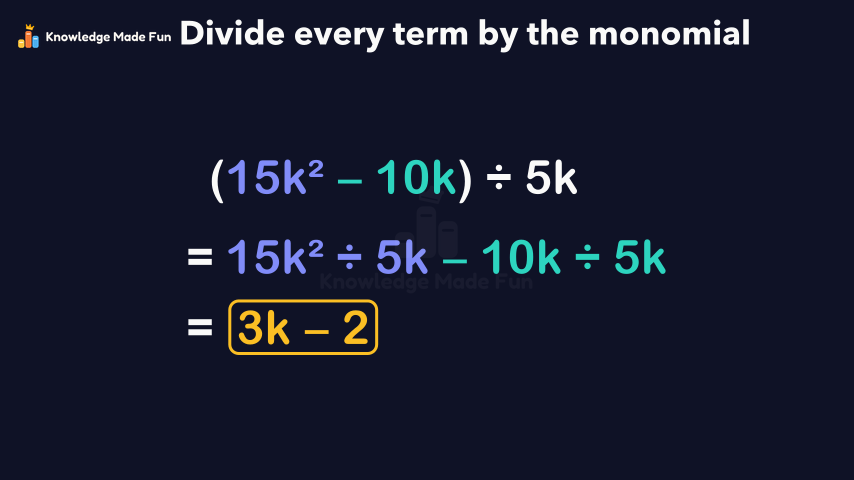 2 min 11 s
Dividing a Polynomial by a Monomial
Grade 9 · 2 min 11 s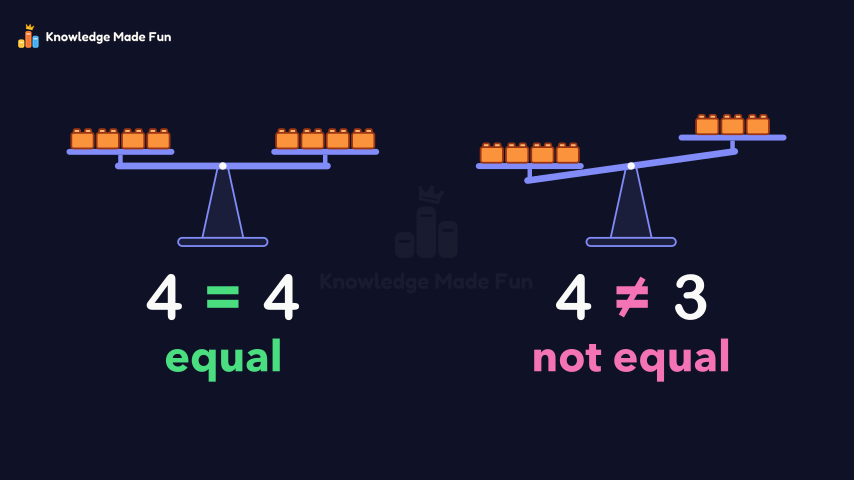 1 min 14 s
Equal and Not Equal on a Balance
Grade 1 · 1 min 14 s
- All Grade 3 Mathematics lessons
- Teachers: the maths worksheets for Grade 3 are in the dashboard, each with a worked example and a proven answer key.
- Try the graph paper, free for everyone, no account needed.
- Create a free account to watch three lessons a day, no payment and no card.