Lesson · Grade 5 · Social Studies
The Charter of Rights and Freedoms
- Grade 5
- Social Studies
- 1 min 22 s
- British Columbia
- BC5-SS-09
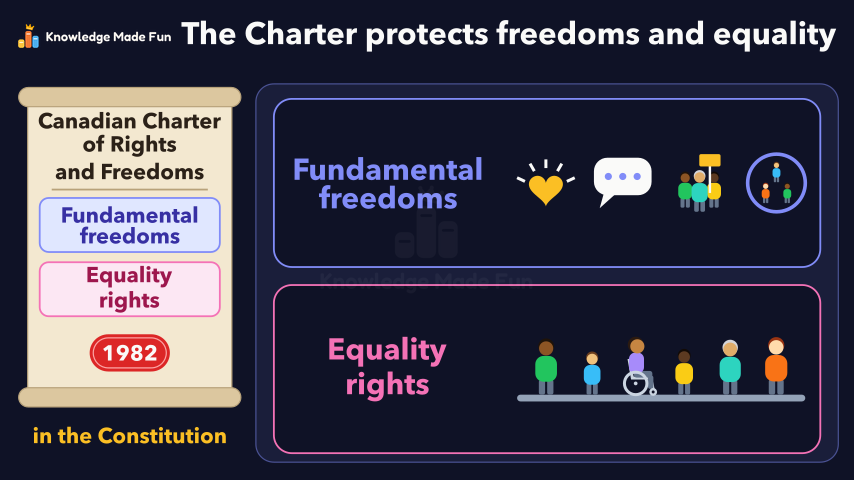
A scroll stands for the Charter, which became part of the Constitution, Canada's highest law, in 1982. As each section lights up on it, a board beside it shows the four fundamental freedoms in their own words, that these freedoms can have reasonable limits set by law, and then the equality rights. For the equality rights, a row of different people stands on one level, one is moved to a lower step to show discrimination and then brought back, and the seven grounds the Charter names appear as examples, before a recap that the Charter protects everyone's fundamental freedoms and equality rights.
Anyone can watch two lessons on the website without an account. Signing in is free, no payment and no card, and opens three a day; Plus has no limit.
Loading
In one sentence
The question this lesson answers
What rights do people in Canada have?
Many of them are written in the Canadian Charter of Rights and Freedoms.
Transcript
What the lesson says
What rights do people in Canada have?
Many of them are written in the Canadian Charter of Rights and Freedoms.
In 1982, it became part of the Constitution, Canada's highest law.
First, it lists four fundamental freedoms for everyone.
Freedom of conscience and religion lets you hold and practise your own beliefs.
Freedom of thought, belief, opinion and expression lets you share your own ideas.
Freedom of peaceful assembly lets people gather together peacefully.
Freedom of association lets people form and join groups.
These freedoms can have reasonable limits, set by law.
Equality rights say every individual is equal before and under the law.
Discrimination means treating people unfairly because of who they are.
Every individual has the right to equal protection and equal benefit of the law, without discrimination.
The Charter names examples: race, national or ethnic origin, colour, religion, sex, age, and mental or physical disability.
The Charter protects everyone's fundamental freedoms and equality rights.
Curriculum
Where this fits
- British Columbia, Grade 5
Social Studies, History and identity: human rights and responses to discrimination in Canadian societyBC5-SS-09
Previous: Push and pull factors: why people move to a new country
The outcomes and strands follow the British Columbia curriculum.
Keep going
 1 min 23 s
How Canada's National Symbols Came to Be
Grade 5 · 1 min 23 s 1 min 2 s
Push and pull factors: why people move to a new country
Grade 5 · 1 min 2 s 1 min 1 s
Canada's Natural Resources: What Is Found Where
Grade 5 · 1 min 1 s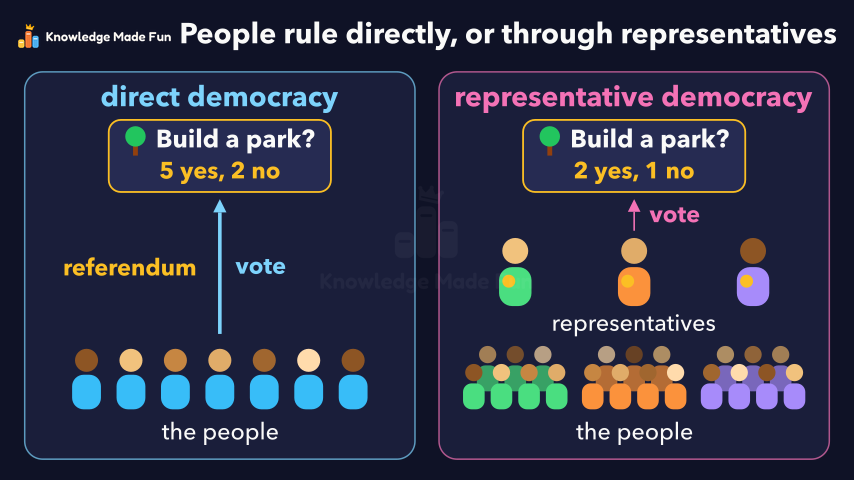 1 min 2 s
Direct and Representative Democracy
Grade 5 · 1 min 2 s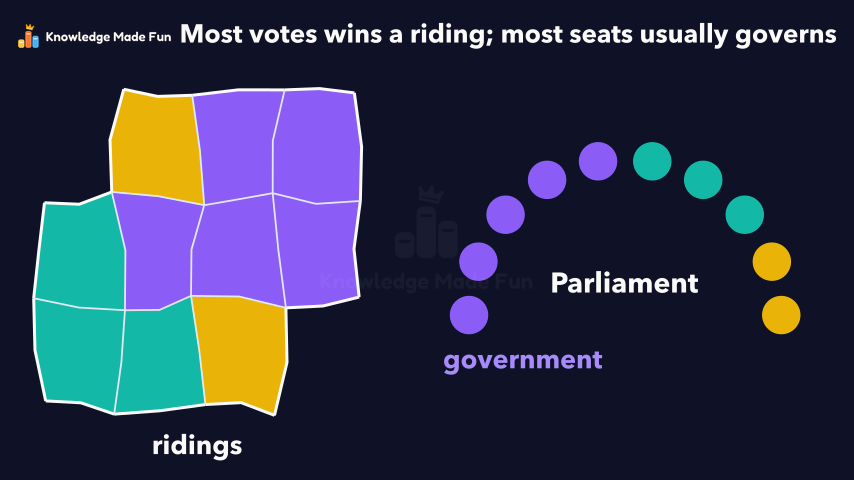 1 min 7 s
How an Election Works: Ridings, Parties and Votes
Grade 5 · 1 min 7 s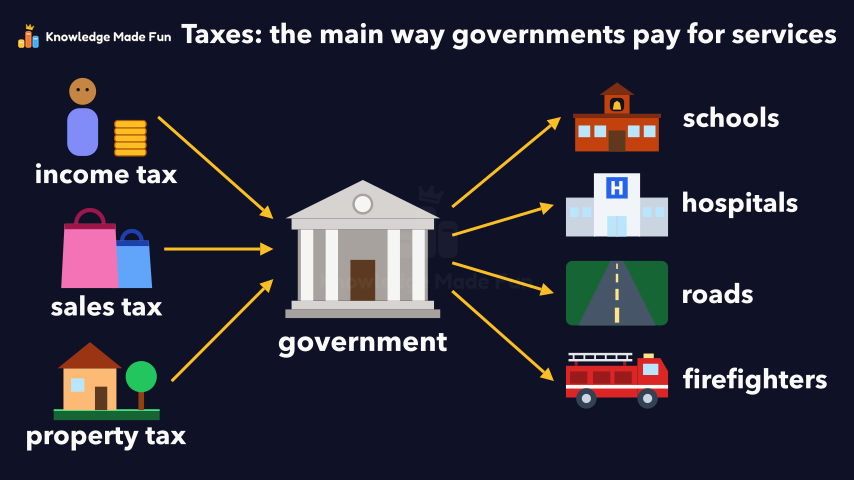 59 s
How Governments Pay for Services: Taxes
Grade 5 · 59 s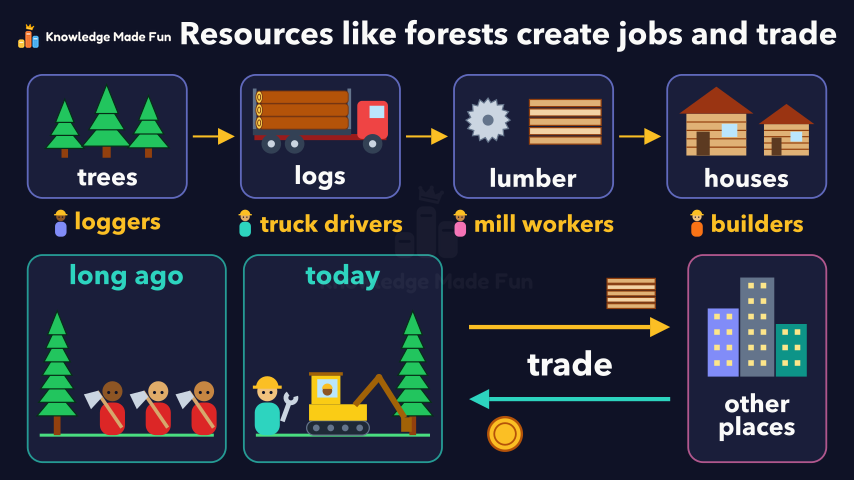 1 min 9 s
How Resources Create Jobs and Trade
Grade 5 · 1 min 9 s 57 s
Three Levels of Government
Grade 5 · 57 s
- All Grade 5 Social Studies lessons
- Create a free account to watch three lessons a day, no payment and no card.