Lesson · Grade 3 · Physical and Health Education
Bullying: The Harm It Does and How a Bystander Can Help
- Grade 3
- Physical and Health Education
- 1 min 3 s
- British Columbia
- BC3-PH-11
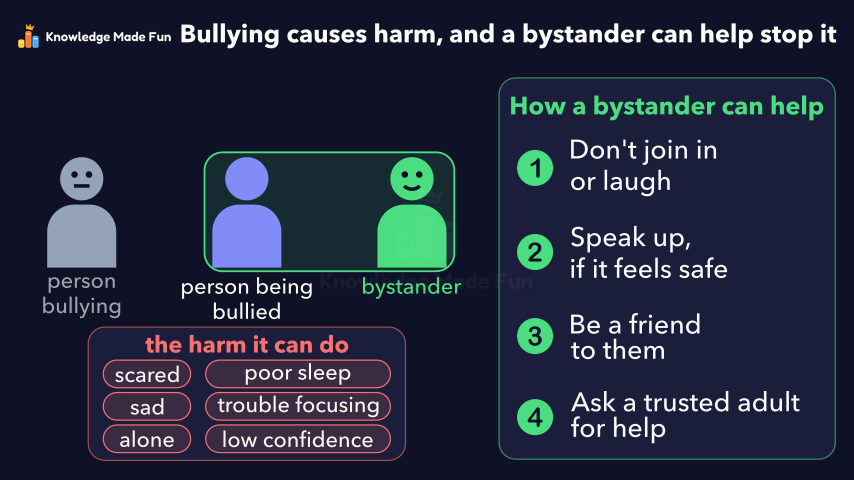
A person bullying sends red jagged arrows at another person "on purpose, again and again", in a way that is "hard to stop". A box under the person being bullied fills with the harm it can do (scared, sad, alone, poor sleep, trouble focusing, low confidence), harm that can last after the bullying stops. A bystander then appears with a card of four ways to help: don't join in or laugh, speak up if it feels safe, be a friend to them, and ask a trusted adult for help. When the bystander helps, the arrows stop, the two stand together, and the video ends on the recap: bullying causes harm, and a bystander can help stop it.
Anyone can watch two lessons on the website without an account. Signing in is free, no payment and no card, and opens three a day; Plus has no limit.
Loading
In one sentence
The question this lesson answers
What harm does bullying do, and how can you help?
Bullying is hurting someone on purpose, again and again, in a way that is hard for them to stop.
Transcript
What the lesson says
What harm does bullying do, and how can you help?
Bullying is hurting someone on purpose, again and again, in a way that is hard for them to stop.
Bullying can make a person feel scared, sad and alone.
It can also lead to poor sleep, trouble focusing and low confidence.
This harm can last long after the bullying stops.
A bystander is someone who sees bullying happen.
Here are four ways a bystander can help.
Don't join in or laugh.
If it feels safe, speak up and say, "Stop, that's not okay."
Be a friend to the person being bullied, so they are not alone.
Ask a trusted adult for help.
When a bystander helps, bullying often stops quickly.
Bullying causes real harm, and a bystander can help stop it.
Curriculum
Where this fits
- British Columbia, Grade 3
Physical and Health Education, Social and community health: nature and consequences of bullyingBC3-PH-11
- British Columbia, Grade 6
Physical and Health Education, Social and community health: consequences of bullying, stereotyping, and discriminationBC6-PH-13
Previous: Responding to an Emergency: Stay Safe, Get Help, Follow the PlanNext: Stereotypes and Discrimination: How Unfair Ideas Hurt
- British Columbia, Grade 7
Physical and Health Education, Social and community health: consequences of bullying, stereotyping, and discriminationBC7-PH-16
Previous: Responding to an Emergency: Stay Safe, Get Help, Follow the PlanNext: Stereotypes and Discrimination: How Unfair Ideas Hurt
This lesson is also listed in Grade 6 and Grade 7.
The outcomes and strands follow the British Columbia curriculum.
Keep going
 58 s
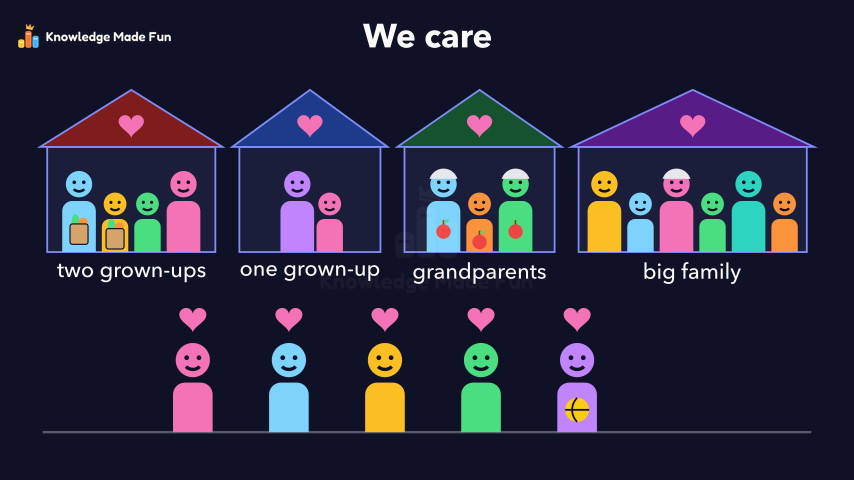
Caring for Each Other in Families and Groups
Grade 1 · 58 s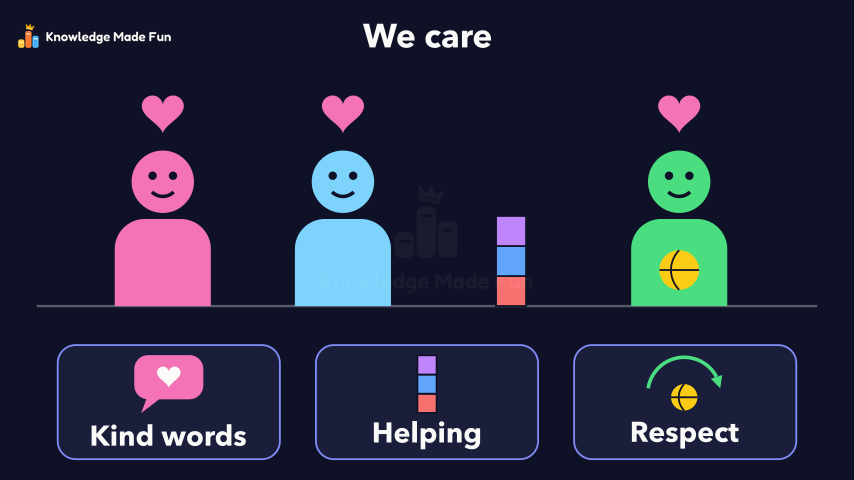 49 s
Caring for Each Other: Kind Words, Helping and Respect
Kindergarten · 49 s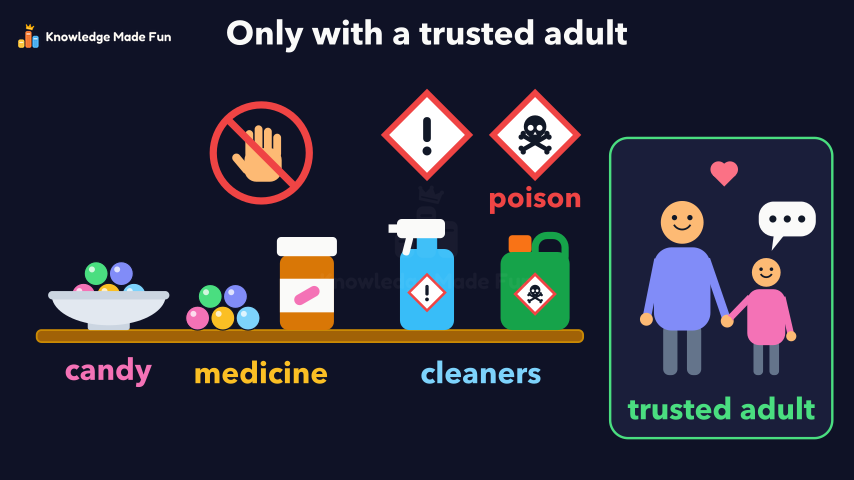 51 s
Medicine and Poison: Only With a Trusted Adult
Kindergarten · 51 s 1 min 1 s
Only a Trusted Adult Gives Medicine
Grade 1 · 1 min 1 s 55 s
Poisons and medicines: ask a trusted adult
Grade 2 · 55 s 1 min 1 s
Poisons and Medicines: Ask an Adult First
Grade 3 · 1 min 1 s 56 s
Responding to an Emergency: Stay Safe, Get Help, Follow the Plan
Grade 6 · 56 s 1 min 12 s
Stereotypes and Discrimination: How Unfair Ideas Hurt
Grade 6 · 1 min 12 s
- All Grade 3 Physical and Health Education lessons
- Create a free account to watch three lessons a day, no payment and no card.