Lesson · Grade 2 · Physical and Health Education
Poisons and medicines: ask a trusted adult
- Grade 2
- Physical and Health Education
- 55 s
- British Columbia
- BC2-PH-10
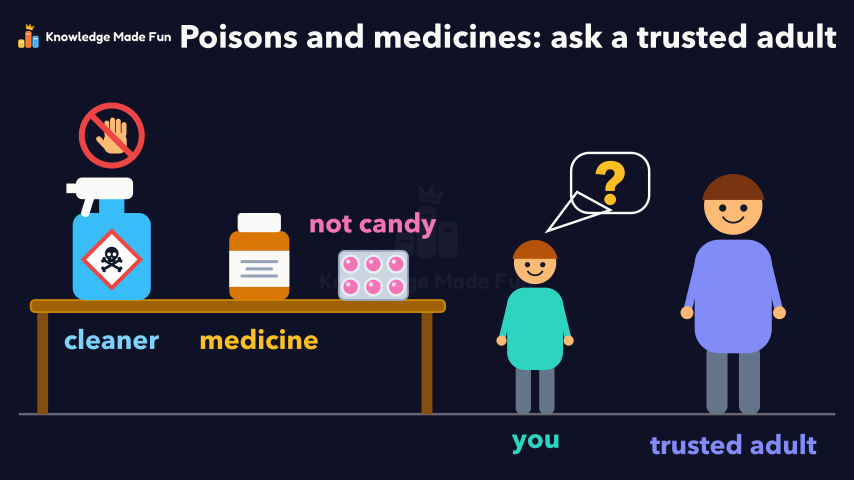
A child finds a cleaner with a skull and crossbones poison symbol and a do-not-touch sign, then a medicine bottle beside pink pills that look like candy but are marked "not candy". A trusted adult comes in and hands the child one pill, and the child's question goes to the adult in a speech bubble, ending on "Poisons and medicines: ask a trusted adult."
Anyone can watch two lessons on the website without an account. Signing in is free, no payment and no card, and opens three a day; Plus has no limit.
Loading
In one sentence
The question this lesson answers
You find a bottle at home. What should you do?
This is a cleaner. It helps clean our homes.
Transcript
What the lesson says
You find a bottle at home. What should you do?
This is a cleaner. It helps clean our homes.
Look! Some cleaners have a warning symbol.
This skull means poison. Poison can make you sick.
See a warning symbol? Stop. Do not touch.
Medicine can help a sick body get better.
Some medicine looks like candy. But it is not candy.
Eating medicine like candy can make you sick.
A trusted adult is a grown-up who keeps you safe.
Only take medicine from a trusted adult.
Not sure what something is? Ask a trusted adult.
Poisons and medicines: always ask a trusted adult.
Curriculum
Where this fits
- British Columbia, Grade 2
Physical and Health Education, Social and community health: effects of different substances, and strategies for preventing personal harmBC2-PH-10
The outcomes and strands follow the British Columbia curriculum.
Keep going
 1 min 3 s
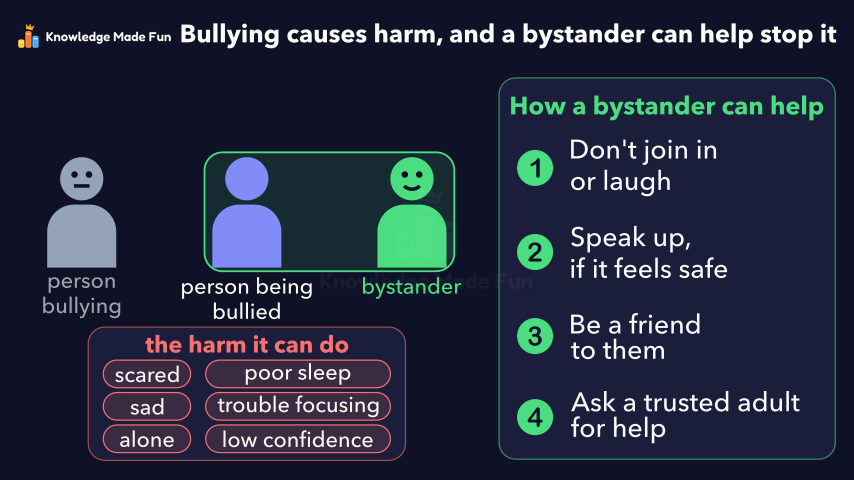
Bullying: The Harm It Does and How a Bystander Can Help
Grade 3 · 1 min 3 s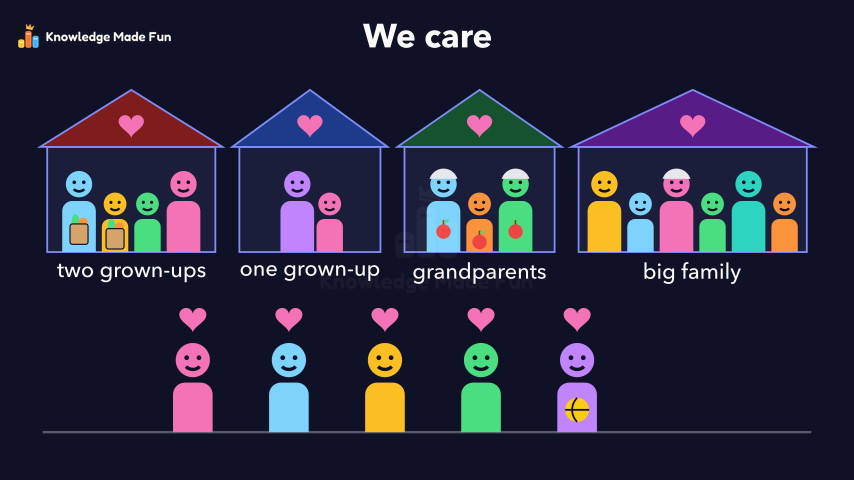 58 s
Caring for Each Other in Families and Groups
Grade 1 · 58 s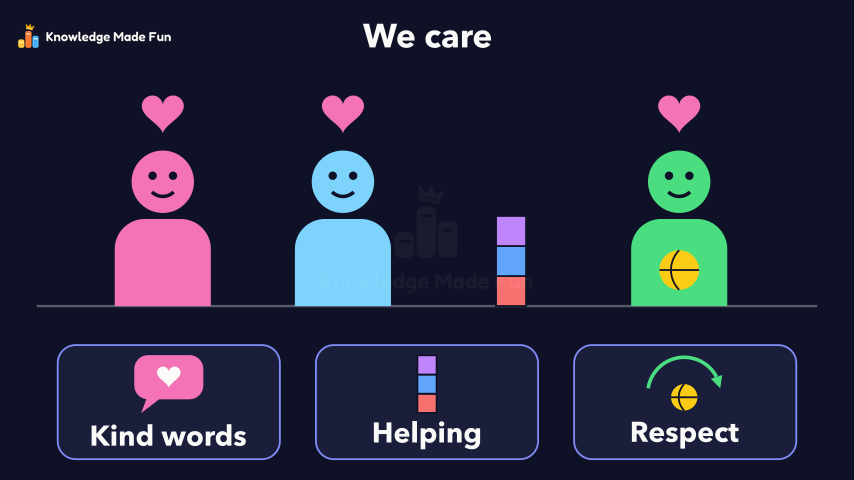 49 s
Caring for Each Other: Kind Words, Helping and Respect
Kindergarten · 49 s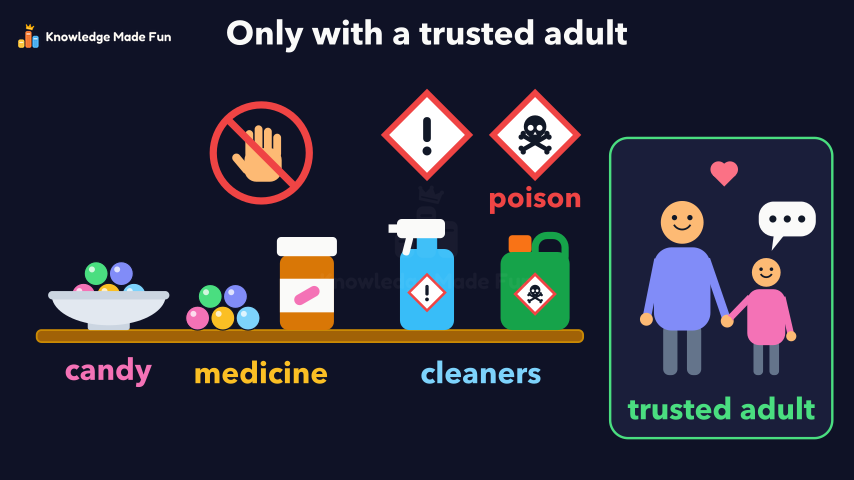 51 s
Medicine and Poison: Only With a Trusted Adult
Kindergarten · 51 s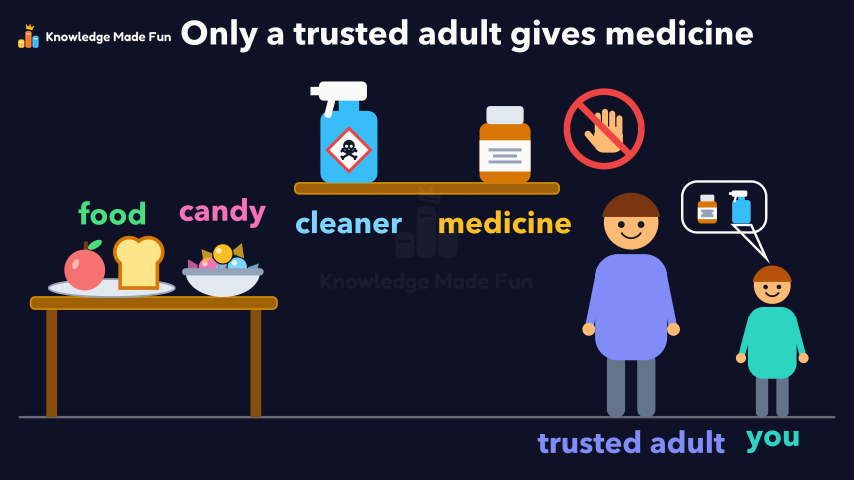 1 min 1 s
Only a Trusted Adult Gives Medicine
Grade 1 · 1 min 1 s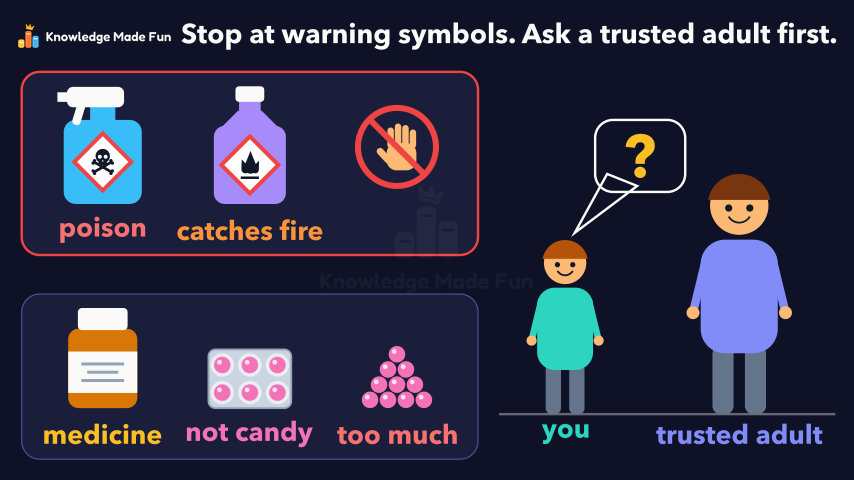 1 min 1 s
Poisons and Medicines: Ask an Adult First
Grade 3 · 1 min 1 s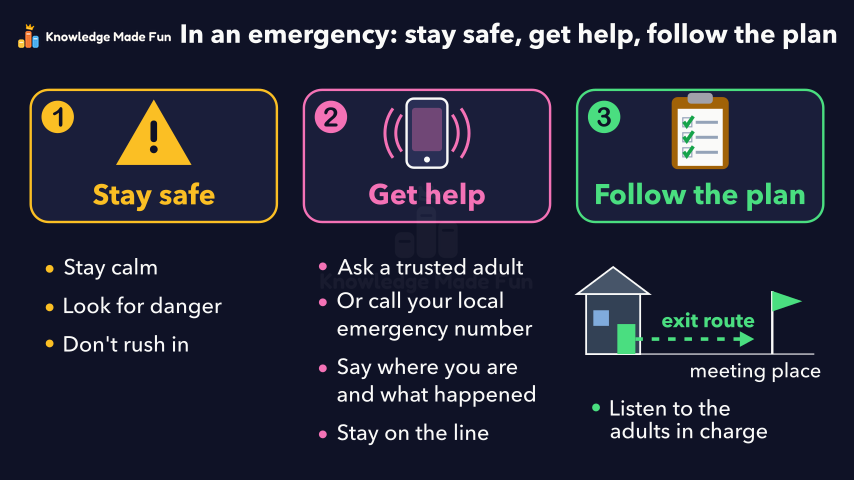 56 s
Responding to an Emergency: Stay Safe, Get Help, Follow the Plan
Grade 6 · 56 s 1 min 12 s
Stereotypes and Discrimination: How Unfair Ideas Hurt
Grade 6 · 1 min 12 s
- All Grade 2 Physical and Health Education lessons
- Create a free account to watch three lessons a day, no payment and no card.