Lesson · Grade 4 · Arts Education
The principles of design: balance, contrast, emphasis, pattern and unity
- Grade 4
- Arts Education
- 1 min 16 s
- British Columbia
- BC4-AR-06
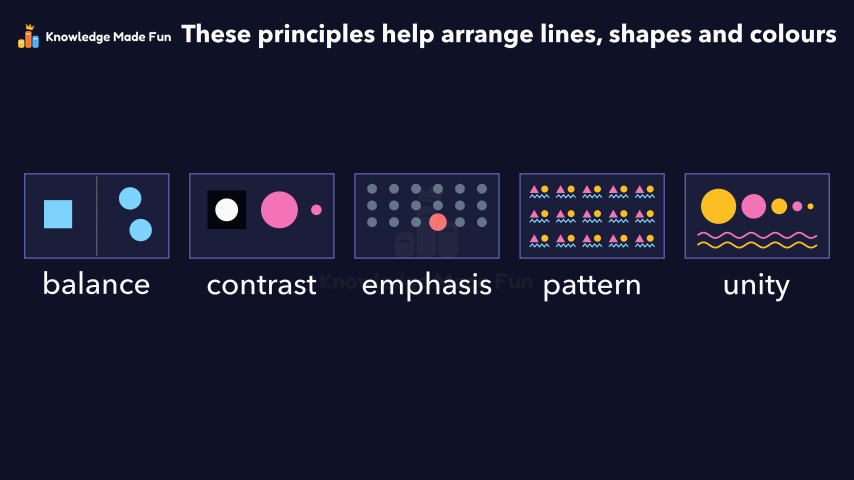
A canvas shows each principle in turn with shapes, lines and colours. A big square tips the canvas on a pivot until mirrored shapes (symmetrical) or different shapes of equal weight (asymmetrical) level it, and light against dark and big against small show contrast. A red dot in a grey grid becomes the focal point, a motif repeats into a pattern, and the opening jumble becomes one unified design in shared colours and repeated shapes, before all five canvases line up with their names for the recap.
Anyone can watch two lessons on the website without an account. Signing in is free, no payment and no card, and opens three a day; Plus has no limit.
Loading
In one sentence
The question this lesson answers
How do artists arrange lines, shapes and colours in a picture?
They use the principles of design, such as balance, contrast, emphasis, pattern and unity.
Transcript
What the lesson says
How do artists arrange lines, shapes and colours in a picture?
They use the principles of design, such as balance, contrast, emphasis, pattern and unity.
Balance is about visual weight, and one heavy side feels lopsided.
Matching both sides like a mirror gives symmetrical balance.
Different shapes with equal visual weight give asymmetrical balance.
Contrast is a strong difference, like light and dark or big and small.
Emphasis makes one part of a picture stand out.
Your eye goes there first, so we call it the focal point.
Pattern starts with a small design called a motif.
Repeat the motif in a regular way, and you get a pattern.
Remember our jumble, where nothing seemed to fit together?
Shared colours and repeated shapes give it unity, so it feels like one whole.
Balance, contrast, emphasis, pattern and unity help artists arrange lines, shapes and colours.
Curriculum
Where this fits
- British Columbia, Grade 4
Arts Education, Visual arts: visual arts: elements of design: line, shape, space, texture, colour, form (visual arts); principles of design: pattern, repetition, balance, contrast, emphasis, rhythm (visual arts), varietyBC4-AR-06
Previous: The elements of design: line, shape, colour, texture, value, form and spaceNext: Developing an Image: Elaborate, Repeat and Simplify
- British Columbia, Grade 5
Arts Education, Visual arts: visual arts: elements of design: line, shape, space, texture, colour, form (visual arts), value; principles of design: balance, pattern, repetition, contrast, emphasis, rhythm (visual arts), unity, harmony, varietyBC5-AR-06
Previous: The elements of design: line, shape, colour, texture, value, form and spaceNext: Developing an Image: Elaborate, Repeat and Simplify
- British Columbia, Grade 6
Arts Education, Visual arts: visual arts: elements of design: line, shape, space, texture, colour, form (visual arts), value; principles of design: pattern, repetition, balance, contrast, emphasis, rhythm (visual arts), variety, unity, harmonyBC6-AR-04
Previous: The elements of design: line, shape, colour, texture, value, form and spaceNext: Developing an Image: Elaborate, Repeat and Simplify
- British Columbia, Grade 7
Arts Education, Visual arts: visual arts: elements of design: line, shape, space, texture, colour, form (visual arts), value; principles of design: pattern, repetition, balance, contrast, emphasis, rhythm (visual arts), movement, variety, proportion, unity, harmonyBC7-AR-06
Previous: The elements of design: line, shape, colour, texture, value, form and spaceNext: Developing an Image: Elaborate, Repeat and Simplify
This lesson is also listed in Grade 5, Grade 6 and Grade 7.
The outcomes and strands follow the British Columbia curriculum.
Keep going
 1 min 7 s
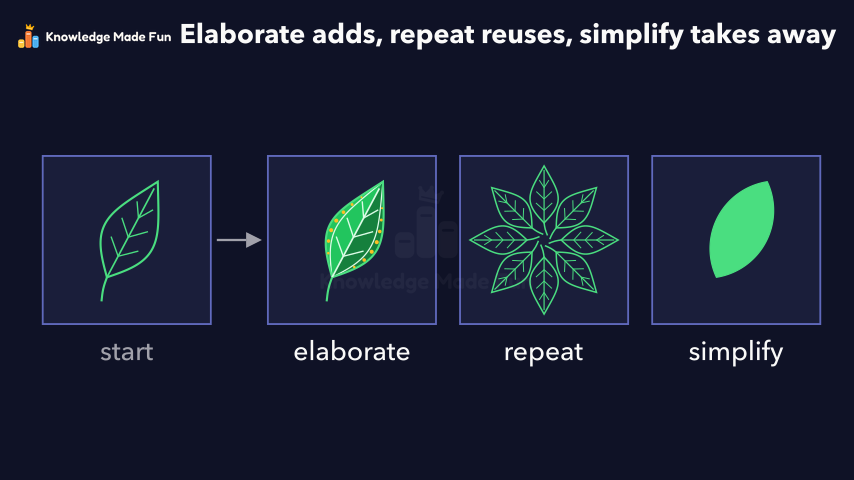
Developing an Image: Elaborate, Repeat and Simplify
Grade 3 · 1 min 7 s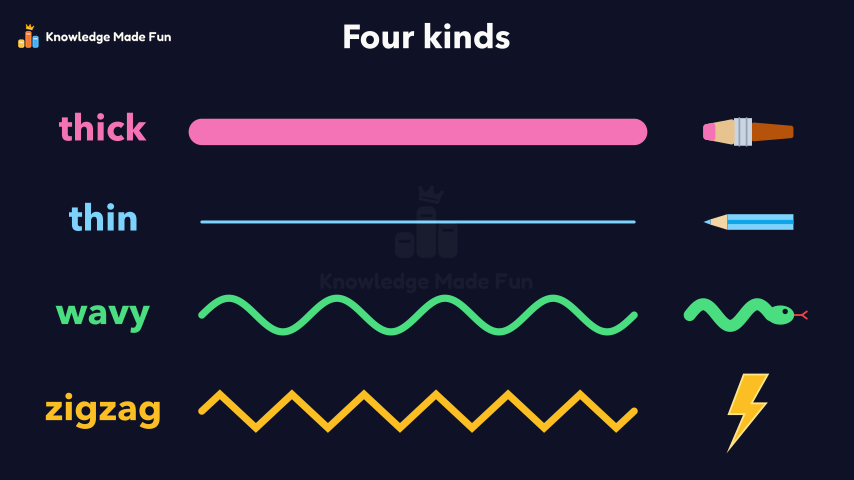 53 s
Kinds of Lines: Thick, Thin, Wavy and Zigzag
Kindergarten · 53 s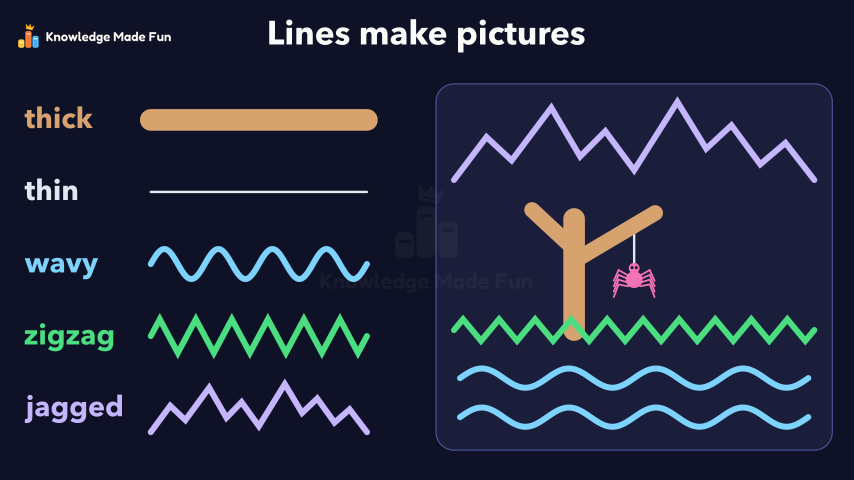 59 s
Lines in art: thick, thin, wavy, zigzag and jagged
Grade 2 · 59 s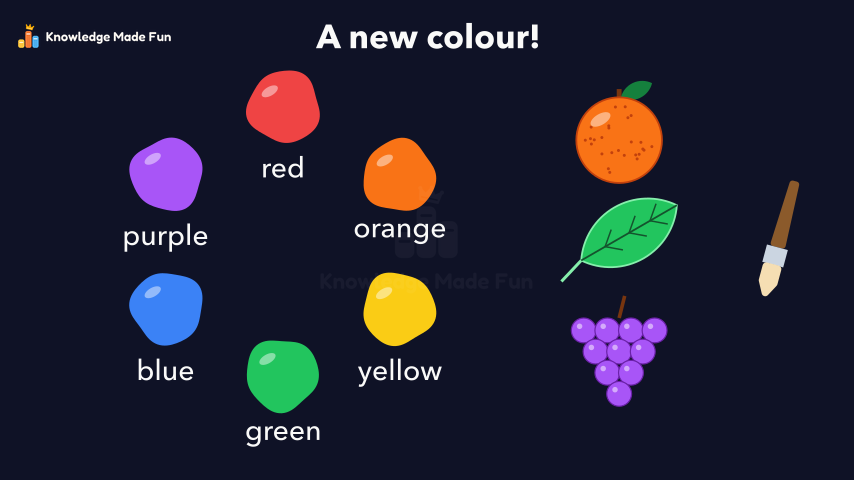 50 s
Mixing Colours: Red, Yellow and Blue Make New Colours
Kindergarten · 50 s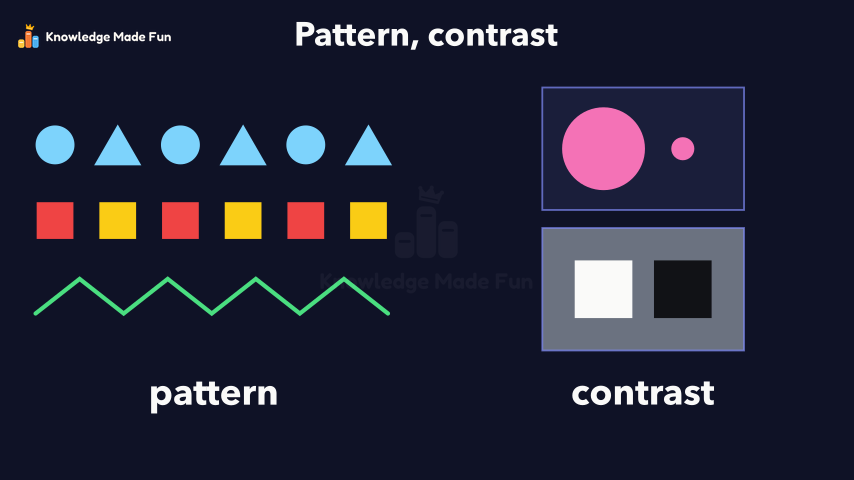 1 min 2 s
Pattern and Contrast
Grade 2 · 1 min 2 s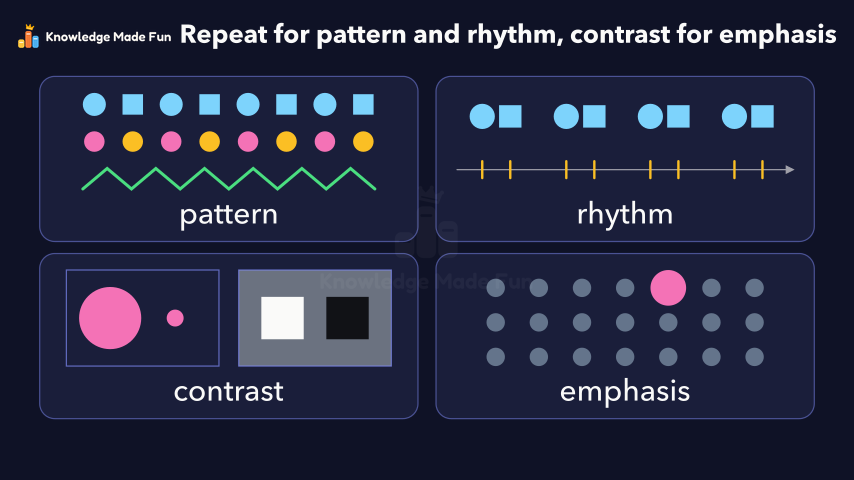 1 min 7 s
Pattern, Rhythm, Contrast and Emphasis
Grade 3 · 1 min 7 s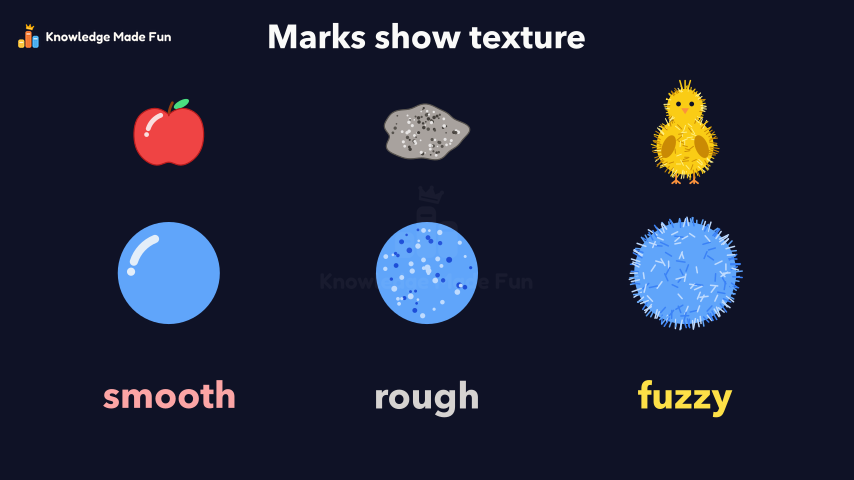 1 min
Texture: smooth, rough and fuzzy
Grade 1 · 1 min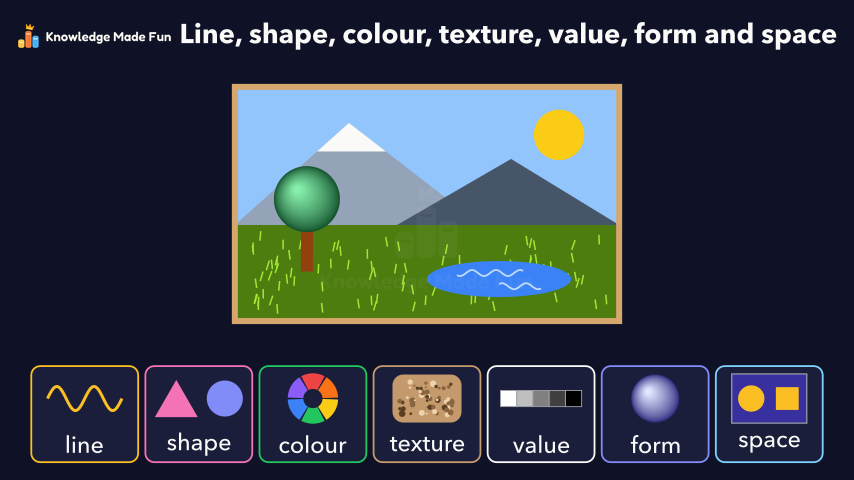 1 min 30 s
The elements of design: line, shape, colour, texture, value, form and space
Grade 3 · 1 min 30 s
- All Grade 4 Arts Education lessons
- Create a free account to watch three lessons a day, no payment and no card.