Lesson · Grade 2 · Social Studies
Hot and Cold Places: Climate Zones
- Grade 2
- Social Studies
- 59 s
- British Columbia
- BC2-SS-08
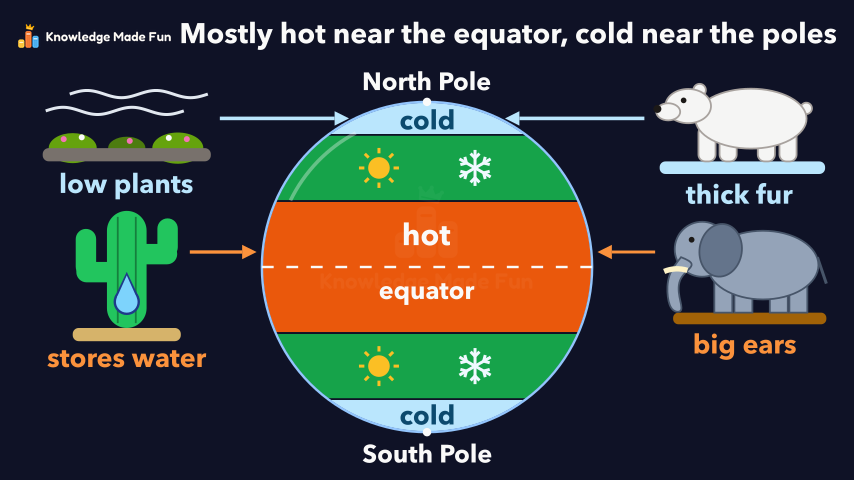
A simple globe builds up one band at a time: the equator, the hot band around the middle, the cold caps at the North and South Poles, and the bands in between with warm summers and colder winters, named together as climate zones. A polar bear's thick fur, low plants out of the wind, an elephant's big ears and a cactus that stores water then appear beside their bands to show that plants and animals fit their climate, ending on the recap "Mostly hot near the equator, cold near the poles."
Anyone can watch two lessons on the website without an account. Signing in is free, no payment and no card, and opens three a day; Plus has no limit.
Loading
In one sentence
The question this lesson answers
Where is it hot, and where is it cold?
Here is our Earth, round like a ball.
Transcript
What the lesson says
Where is it hot, and where is it cold?
Here is our Earth, round like a ball.
The equator is an imaginary line around the middle.
Near the equator, most places are hot all year.
Near the North and South Poles, it is cold.
In between, summers are warm and winters are colder.
These are climate zones, each with its usual weather.
Plants and animals fit the climate where they live.
A polar bear has thick fur to keep warm.
Low plants stay out of the cold, strong wind.
An elephant flaps its big ears to cool down.
A cactus stores water for hot, dry days.
Mostly hot near the equator, cold near the poles.
Curriculum
Where this fits
- British Columbia, Grade 2
Social Studies, Land and environment: diverse features of the environment in other parts of Canada and the worldBC2-SS-08
The outcomes and strands follow the British Columbia curriculum.
Keep going
 47 s
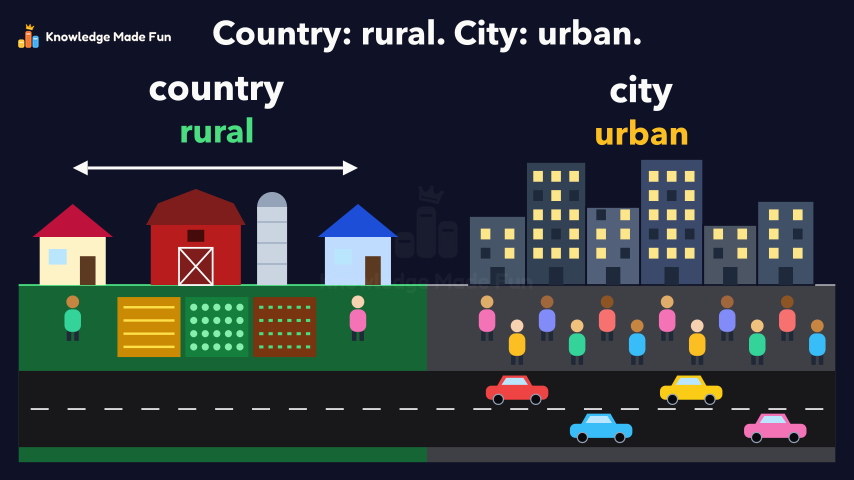
Country and City: Rural and Urban Places
Grade 1 · 47 s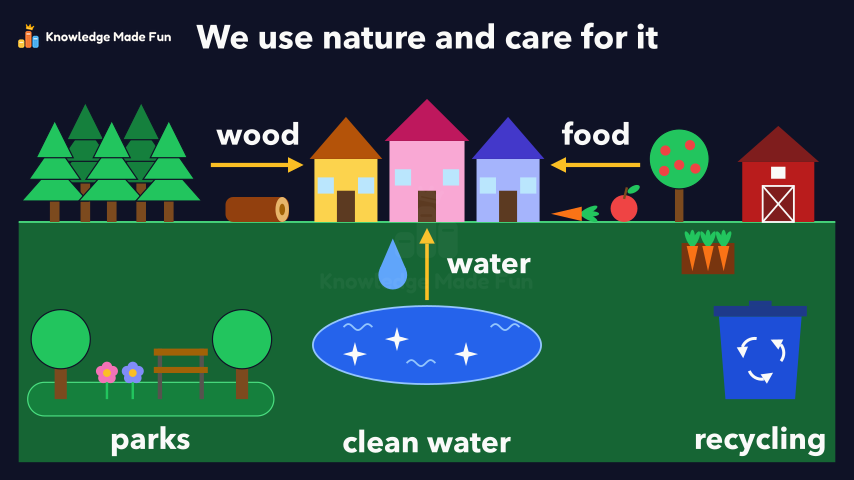 45 s
How a Community Uses and Cares for Nature
Grade 1 · 45 s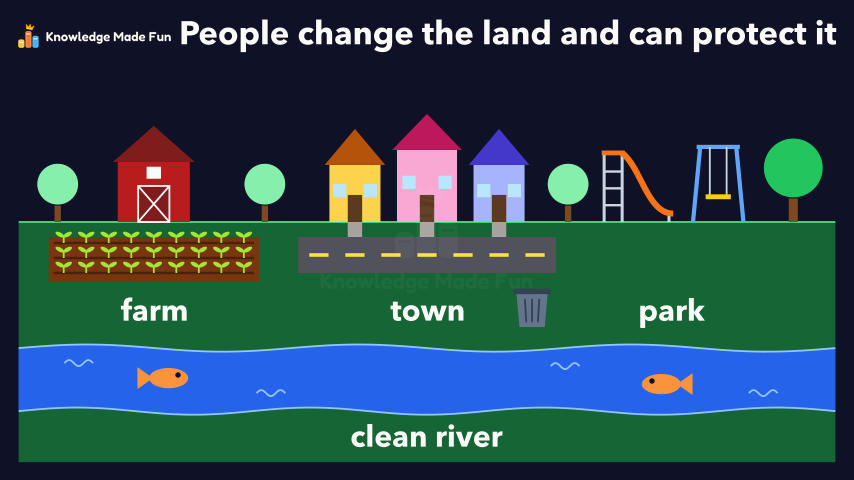 56 s
How Communities Change the Land
Grade 2 · 56 s 52 s
Landforms and Bodies of Water
Grade 2 · 52 s 49 s
Natural and Human-Made Features
Grade 1 · 49 s 59 s
Communities Near and Far
Grade 2 · 59 s 54 s
Goods and Services
Grade 2 · 54 s 51 s
Needs and Wants: For Our Body and Our Feelings
Grade 2 · 51 s
- All Grade 2 Social Studies lessons
- Create a free account to watch three lessons a day, no payment and no card.